
What Happened
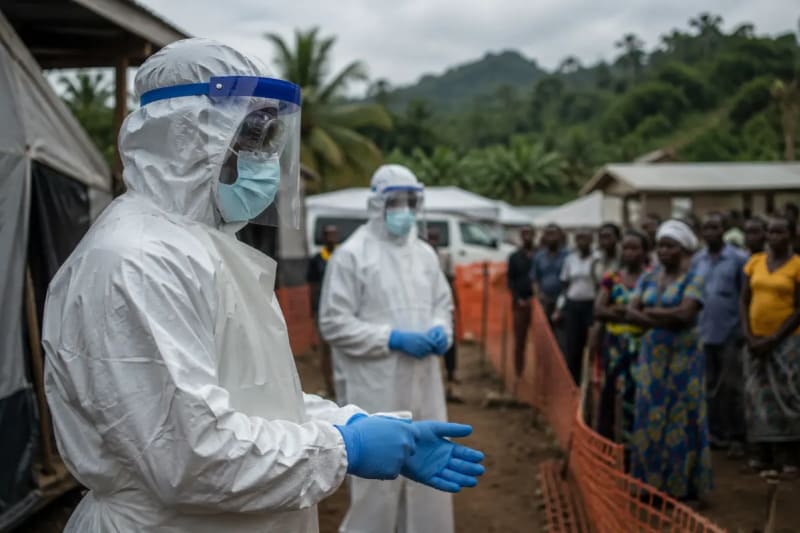
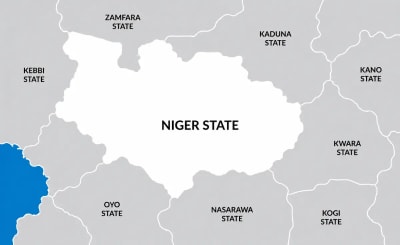
Médecins Sans Frontières MSF issued an urgent statement this week highlighting the deteriorating health and humanitarian conditions in Zamfara State, northwestern Nigeria. The organization reported that the onset of the rainy season has accelerated the spread of malaria, cholera, and typhoid, while simultaneously worsening rates of acute malnutrition. MSF teams operating in the region have observed a marked increase in patients presenting with these conditions, many of whom are children under five or individuals from displaced and low income communities.
The statement underscores that the convergence of seasonal rains, poor sanitation, and limited healthcare infrastructure has created a volatile environment where preventable diseases are spreading rapidly. Flooding has contaminated water sources, disrupted access to medical facilities, and forced families into overcrowded, unsanitary living conditions, all of which are known drivers of infectious disease outbreaks.
Why Public Health Officials Are Concerned
The situation in Zamfara is a stark example of how climate sensitive health risks can escalate in regions with pre existing vulnerabilities. Malaria, which remains a leading cause of death in Nigeria, thrives in stagnant water left by heavy rains. Meanwhile, cholera and typhoid, both transmitted through contaminated water and food, spread quickly in areas where sanitation systems are inadequate or nonexistent. The added burden of acute malnutrition further weakens immune responses, making individuals, particularly young children, more susceptible to severe illness and death.
Public health officials are particularly alarmed by the potential for these outbreaks to overwhelm local health systems, which are already under resourced. MSF has warned that without immediate support, the crisis could spiral, leading to preventable loss of life. The organization has called for coordinated action from government agencies, international partners, and humanitarian organizations to scale up disease surveillance, improve water and sanitation infrastructure, and ensure access to essential medical supplies and nutrition programs.
Who May Be Affected
The most vulnerable populations in Zamfara include children under five, pregnant women, the elderly, and individuals living in displacement camps or informal settlements. These groups are at heightened risk due to limited access to clean water, nutritious food, and healthcare services. Additionally, rural communities with poor infrastructure are disproportionately affected, as flooding often cuts off roads and isolates villages from medical facilities.
Malnutrition is a critical concern, as it not only increases susceptibility to infectious diseases but also stunts physical and cognitive development in children. MSF reports that many families in Zamfara are already struggling with food insecurity, and the rainy season has exacerbated this challenge by disrupting agricultural activities and supply chains.
Government and Humanitarian Response
MSF has ramped up its operations in Zamfara, expanding its medical and nutritional support programs in response to the crisis. The organization is providing treatment for malaria, cholera, and typhoid, as well as therapeutic feeding for children suffering from acute malnutrition. Mobile clinics and outreach teams are being deployed to reach remote communities cut off by flooding.
Local health authorities in Zamfara have acknowledged the severity of the situation and are working with partners to distribute essential supplies, including mosquito nets, oral rehydration salts, and water purification tablets. However, MSF has emphasized that sustained funding and resources are needed to address the root causes of the crisis, such as improving water and sanitation infrastructure and strengthening disease surveillance systems.
International organizations, including the World Health Organization WHO and UNICEF, have previously highlighted the need for long term investments in Nigeria’s healthcare system to mitigate the impact of seasonal disease outbreaks. While emergency responses are critical, experts argue that systemic improvements are necessary to break the cycle of crisis that recurs with each rainy season.
Prevention and Safety Guidance
For communities in Zamfara and other high risk areas, public health experts recommend the following measures to reduce the risk of disease:
- Water Safety: Boil or treat drinking water with chlorine or water purification tablets to prevent waterborne illnesses like cholera and typhoid. Avoid consuming untreated water from rivers, streams, or wells that may be contaminated by flooding.
- Sanitation: Practice proper handwashing with soap and clean water, especially before eating or preparing food and after using the toilet. Use latrines or designated sanitation facilities to prevent open defecation, which can contaminate water sources.
- Malaria Prevention: Sleep under insecticide treated mosquito nets to reduce exposure to malaria carrying mosquitoes. Eliminate standing water around homes, as it serves as a breeding ground for mosquitoes.
- Nutrition: Ensure children receive a balanced diet rich in essential nutrients to strengthen their immune systems. For families facing food insecurity, seek support from local nutrition programs or humanitarian organizations.
- Healthcare Access: Seek medical attention promptly if symptoms of malaria, cholera, typhoid, or malnutrition arise. Early treatment can prevent complications and reduce the spread of disease.
What Readers Should Know
The health crisis in Zamfara is a reminder of how climate and environmental factors can exacerbate existing vulnerabilities in low resource settings. While the rainy season is a natural phenomenon, its impact on public health is not inevitable. Investments in water and sanitation infrastructure, disease surveillance, and healthcare access can significantly reduce the burden of seasonal outbreaks.
For those looking to support relief efforts, reputable humanitarian organizations like MSF, UNICEF, and the Red Cross are actively working in Zamfara and other affected regions. Donations, advocacy, and raising awareness can help amplify the response and save lives. However, experts caution that long term solutions require sustained commitment from both local and international stakeholders to address the systemic challenges that leave communities vulnerable year after year.
Key Takeaways
- The rainy season in Zamfara State has triggered a surge in malaria, cholera, typhoid, and acute malnutrition, particularly among children under five and displaced populations.
- Poor sanitation, contaminated water sources, and limited healthcare access are key drivers of the current health crisis, with flooding exacerbating these challenges.
- MSF and local authorities are scaling up emergency response efforts, but experts warn that systemic improvements in infrastructure and disease surveillance are needed to prevent recurring crises.
- Preventive measures such as using mosquito nets, treating drinking water, and practicing proper sanitation can help reduce the risk of disease in affected communities.
Frequently Asked Questions
Why is the rainy season particularly dangerous for health in Zamfara?
The rainy season creates ideal conditions for the spread of infectious diseases. Flooding contaminates water sources, leading to outbreaks of cholera and typhoid, while stagnant water provides breeding grounds for malaria carrying mosquitoes. Additionally, heavy rains disrupt healthcare access and worsen food insecurity, increasing the risk of malnutrition.
What are the most common diseases during this crisis?
The most prevalent diseases in Zamfara during the rainy season include malaria, cholera, typhoid, and acute malnutrition. These conditions are closely linked to poor sanitation, contaminated water, and limited access to healthcare and nutritious food.
Who is most at risk in this health crisis?
Children under five, pregnant women, the elderly, and individuals living in displacement camps or informal settlements are at the highest risk. These groups often have limited access to clean water, healthcare, and adequate nutrition, making them more vulnerable to severe illness.
How can communities protect themselves from these diseases?
Communities can reduce their risk by boiling or treating drinking water, practicing proper handwashing, using insecticide treated mosquito nets, eliminating standing water around homes, and seeking prompt medical care for symptoms of illness. Accessing local nutrition programs can also help address food insecurity.
What is being done to address the crisis in Zamfara?
Médecins Sans Frontières and local health authorities are expanding medical and nutritional support programs, including mobile clinics and outreach teams. Efforts are also underway to distribute essential supplies like mosquito nets, oral rehydration salts, and water purification tablets. However, sustained funding and systemic improvements are needed for long term solutions.
Medical Review: MedSense Editorial Board












DISCUSSION (0)
POST A COMMENT