What Happened
The 2026 World Cup, set to take place across 16 cities in the United States, Canada, and Mexico, is expected to be one of the largest mass gatherings in history. Public health agencies, including the Centers for Disease Control and Prevention and the WHO, are already assessing potential infectious disease risks. While media speculation has centered on rare or severe pathogens, experts emphasize that common respiratory and gastrointestinal illnesses pose the most immediate threat to attendees, athletes, and host communities.
Kuppalli, now vice chair of the Infectious Diseases Society of America’s Global Health Committee, notes that mass events like the World Cup create ideal conditions for the spread of familiar viruses and bacteria. Close contact in stadiums, shared transportation, and international travel all increase exposure to influenza, norovirus, measles, and even antibiotic resistant bacteria like MRSA. These risks are amplified by the sheer scale of the event, which will bring together people from regions with varying vaccination rates and healthcare access.
Why Public Health Officials Are Concerned
The primary concern is not an exotic outbreak but the potential for localized spikes in common infections. Respiratory illnesses, for example, thrive in crowded indoor spaces like stadiums and fan zones, where poor ventilation and close quarters facilitate transmission. Norovirus, a highly contagious gastrointestinal virus, has disrupted major sporting events in the past, including the 2018 Winter Olympics, where dozens of security personnel fell ill. Measles, which has seen a resurgence in parts of the world due to declining vaccination rates, is another key worry, particularly in regions where herd immunity has weakened.
Beyond individual health risks, public health officials are monitoring the strain such outbreaks could place on local healthcare systems. Emergency departments in host cities may face sudden surges in patients with flu like symptoms or foodborne illnesses, diverting resources from routine care. The economic and logistical burden of managing these outbreaks, including contact tracing, isolation protocols, and public communication, could also overwhelm underprepared municipalities.
Who May Be Affected
The risks extend beyond spectators. Athletes, staff, and volunteers will face prolonged exposure in high density environments, increasing their vulnerability to infection. Travelers, particularly those with underlying health conditions or weakened immune systems, may be at higher risk of severe outcomes. Host communities, too, could see a rise in cases as visitors return home, potentially seeding outbreaks in areas with lower immunity or vaccination coverage.
Children, the elderly, and individuals with chronic illnesses are particularly susceptible to complications from respiratory or gastrointestinal infections. Public health campaigns are likely to target these groups with tailored messaging on vaccination, hygiene, and early symptom recognition.
Government and WHO Response
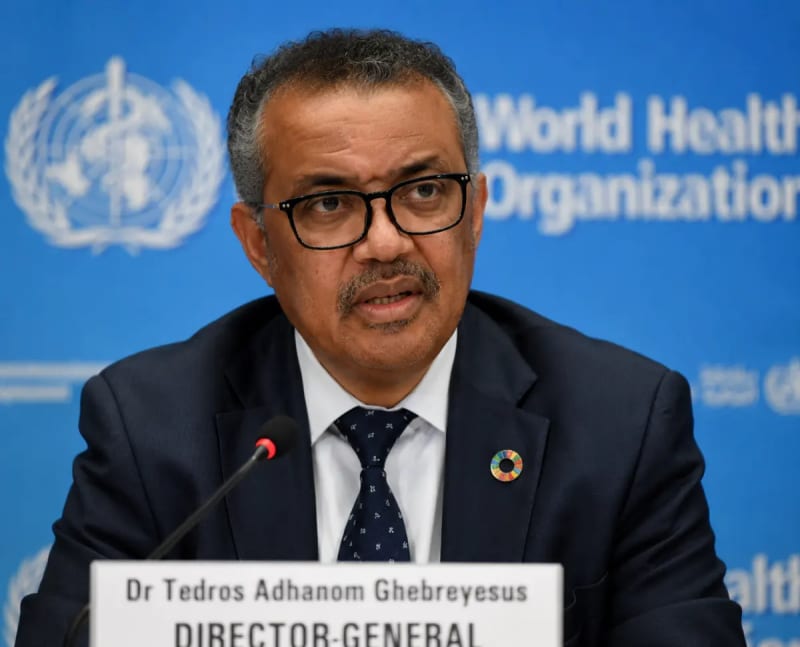
In preparation for the 2026 World Cup, health agencies are adopting a multi layered approach to mitigate risks. The WHO has released guidelines for mass gatherings, emphasizing surveillance, vaccination campaigns, and public education. The CDC, in collaboration with local health departments, is expected to ramp up monitoring for respiratory and gastrointestinal illnesses in host cities, using real time data to detect and respond to outbreaks swiftly.
Vaccination remains a cornerstone of prevention. Officials are urging attendees to ensure they are up to date on routine immunizations, including measles, mumps, rubella, and seasonal influenza. Some host cities may also recommend or require proof of vaccination for certain high risk groups, such as healthcare workers or volunteers. Enhanced sanitation protocols, including hand hygiene stations and surface disinfection in stadiums, are also being implemented to curb the spread of norovirus and other pathogens.
Prevention and Safety Guidance
For fans planning to attend the World Cup, experts recommend a few key precautions. First, check vaccination records and consult a healthcare provider about any additional immunizations needed for travel. Pack a travel health kit with essentials like hand sanitizer, disinfectant wipes, and over the counter medications for common ailments like diarrhea or fever.
During the event, practice good hand hygiene, avoid close contact with visibly ill individuals, and stay hydrated. If symptoms like fever, cough, or vomiting develop, seek medical attention promptly and avoid attending crowded events to prevent spreading illness to others. Travelers returning home should monitor their health for at least two weeks and report any concerning symptoms to a healthcare provider.
What Readers Should Know
The 2026 World Cup is an opportunity to celebrate global unity, but it also underscores the importance of proactive public health measures. While the risk of a catastrophic outbreak remains low, the potential for localized spikes in common infections is real. By focusing on prevention, surveillance, and education, health officials aim to ensure that the event is remembered for its athletic achievements, not its public health challenges.
For those attending, the message is clear: enjoy the games, but don’t let down your guard. Simple steps like vaccination, handwashing, and staying home when sick can make all the difference in keeping the World Cup safe for everyone.
Key Takeaways
- The 2026 World Cup poses a higher risk for common infections like influenza, norovirus, and measles than for exotic pathogens like Ebola.
- Mass gatherings create ideal conditions for disease spread, straining local healthcare systems and increasing exposure for travelers and host communities.
- Public health agencies are prioritizing vaccination, surveillance, and hygiene protocols to mitigate risks during the event.
- Attendees should ensure they are up to date on routine vaccinations and practice basic hygiene to protect themselves and others.
Frequently Asked Questions
What are the most likely infectious disease risks at the 2026 World Cup?
The primary risks include respiratory illnesses like influenza and COVID 19, gastrointestinal infections such as norovirus, and vaccine preventable diseases like measles. These are far more likely to spread in crowded settings than rare or exotic pathogens.
How can I protect myself from getting sick at the World Cup?
Ensure you are up to date on routine vaccinations, practice good hand hygiene, avoid close contact with sick individuals, and stay hydrated. If you develop symptoms, seek medical attention and avoid attending crowded events to prevent spreading illness.
Will the World Cup require proof of vaccination for attendees?
While no universal requirement has been announced, some host cities or high risk groups (such as healthcare workers or volunteers) may recommend or require proof of vaccination for certain diseases. Check local guidelines before traveling.
What should I do if I get sick after attending the World Cup?
Monitor your health for at least two weeks after returning home. If you develop symptoms like fever, cough, or vomiting, contact a healthcare provider and inform them of your recent travel. Avoid contact with others to prevent potential transmission.
Medical Review: MedSense Editorial Board








DISCUSSION (0)
POST A COMMENT