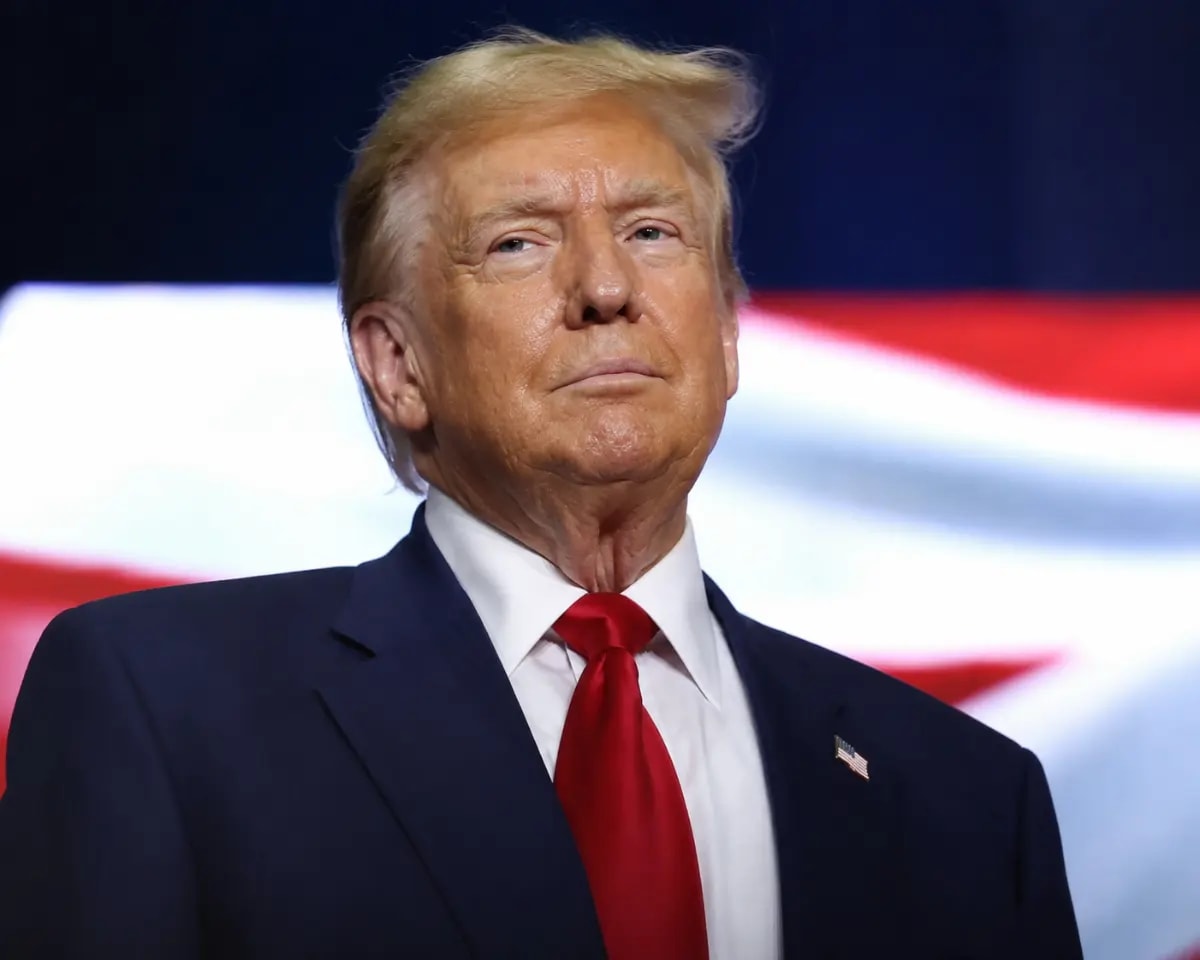
The World Health Organization has criticized U.S. President Donald Trump's proposal to overhaul child vaccination policies, stating it contradicts decades of scientific evidence. The WHO's warning comes amid growing concerns about vaccine hesitancy and misinformation, emphasizing that existing immunization schedules are based on rigorous research and global consensus. Public health experts fear the proposal could undermine confidence in vaccines and reverse progress in preventing infectious diseases.
What We Know
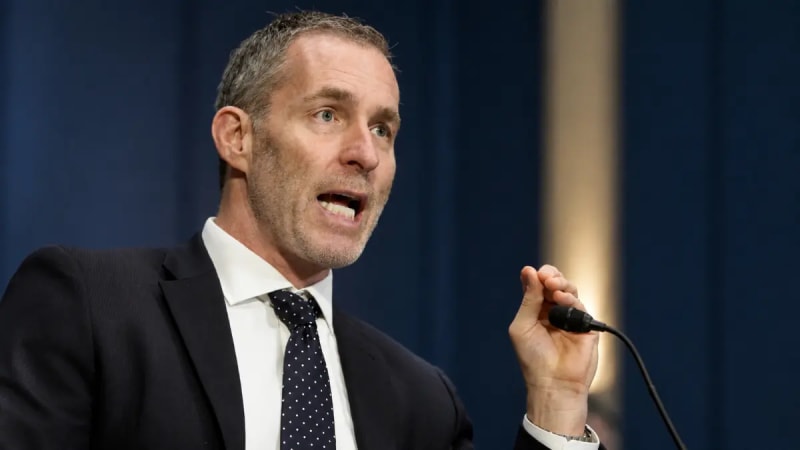
The World Health Organization issued a sharp rebuke Wednesday against Donald Trump's plan to revise child vaccination policies in the United States, calling it a move that disregards "decades of evidence." The statement, delivered by WHO spokesperson Dr. Kate O'Brien, underscored that current vaccination schedules are the result of extensive research and international collaboration.
Trump, who has previously expressed skepticism about vaccines, announced plans last week to establish a presidential commission to review vaccine safety and efficacy. The proposal includes potential changes to the recommended immunization schedule for children, which public health officials warn could lead to outbreaks of preventable diseases like measles and polio.
Why This Matters
Vaccines have been one of the most successful public health interventions in history, saving an estimated 4 million lives annually. The WHO's warning highlights the risks of politicizing scientific consensus, particularly as vaccine hesitancy continues to rise globally. The U.S. has already seen a resurgence of measles in recent years, with outbreaks linked to declining vaccination rates in some communities.
Dr. O'Brien emphasized that the existing vaccine schedule is not arbitrary but based on decades of clinical trials, real world data, and global expert review. "Any deviation from these evidence based recommendations without scientific justification poses a serious threat to public health," she said. The WHO's stance aligns with that of the U.S. Centers for Disease Control and Prevention and the American Academy of Pediatrics, both of which have defended the current immunization guidelines.
Public Health Impact
The controversy arrives at a critical moment for global immunization efforts. The WHO recently declared vaccine hesitancy one of the top ten threats to global health, citing its role in the resurgence of diseases once considered nearly eradicated. In the U.S., measles cases surged to a 27 year high in 2019, with 1,282 confirmed cases across 31 states. Health officials attribute the outbreaks to pockets of unvaccinated children, often in communities where misinformation about vaccine safety has spread.
Public health experts warn that Trump's proposal could further erode trust in vaccines, particularly if the review process is perceived as politically motivated rather than scientifically driven. "The danger here is not just about one policy change," said Dr. Peter Hotez, a vaccine scientist at Baylor College of Medicine. "It's about sending a message that vaccines are up for debate, when the science is settled."
What's Next
The White House has not yet released details about the proposed commission's structure or timeline. However, Trump's allies have indicated that the review would focus on "vaccine safety concerns," including the debunked claim that vaccines cause autism. The WHO has urged U.S. officials to base any policy changes on peer reviewed research and international best practices.
In the meantime, public health advocates are mobilizing to counter misinformation. The CDC and state health departments are ramping up education campaigns to reinforce the safety and importance of vaccines. The WHO has also called on global leaders to prioritize immunization programs, warning that complacency could lead to a resurgence of deadly diseases.
Key Takeaways
- The WHO criticized Trump's proposed vaccine policy overhaul, stating it contradicts decades of scientific evidence on vaccine safety and efficacy.
- Public health experts warn the plan could increase vaccine hesitancy and lead to outbreaks of preventable diseases like measles.
- The controversy comes as global immunization efforts face challenges from misinformation and declining vaccination rates in some communities.
Frequently Asked Questions
Why is the WHO concerned about Trump's vaccine plan?
The WHO warns that the proposed changes ignore decades of scientific evidence supporting current vaccination schedules, which could undermine public trust and increase disease outbreaks.
What diseases could resurge if vaccination rates drop?
Diseases like measles, polio, and whooping cough could return if vaccination rates decline, as these illnesses remain a threat in unvaccinated populations.
How are public health officials responding?
The CDC and other health agencies are intensifying education campaigns to combat misinformation and reinforce the safety and importance of vaccines.
Published by O. Ayodeji | Review by MedSense Editorial Board












DISCUSSION (0)
POST A COMMENT