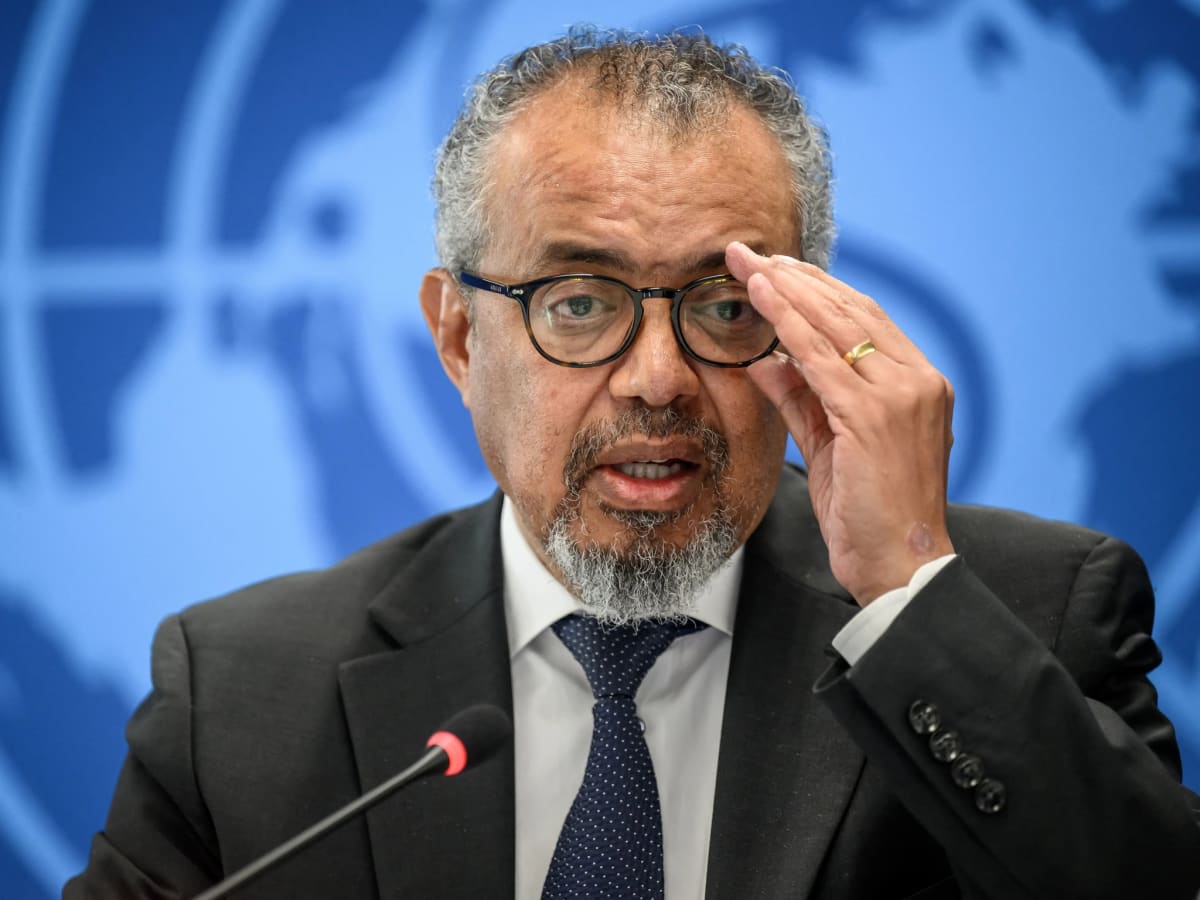
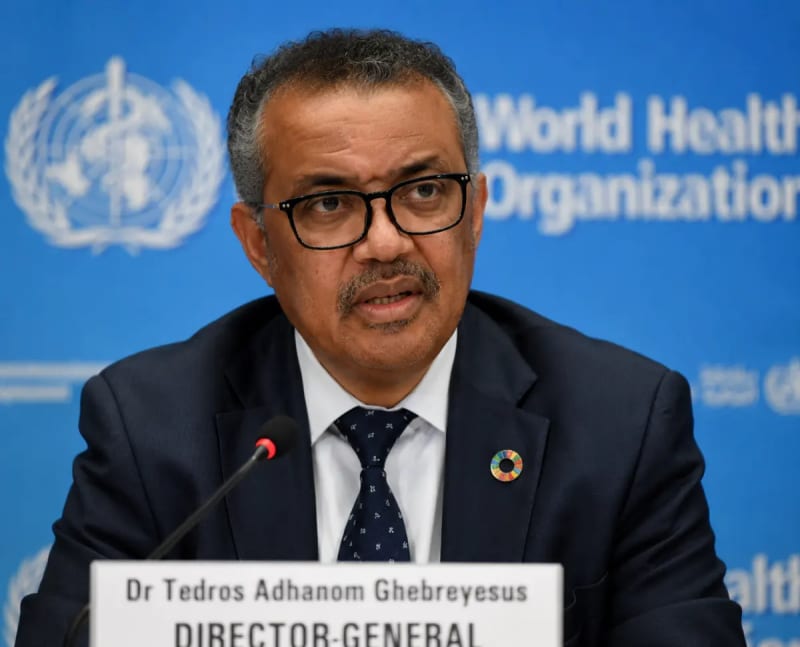
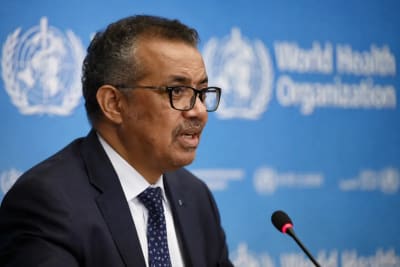
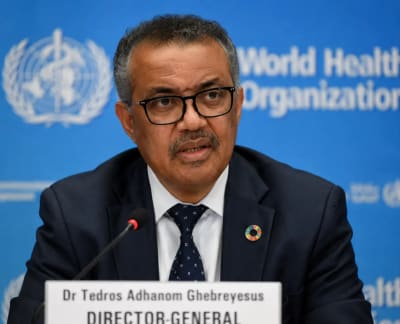
In an unprecedented personal appeal, the Director General of the World Health Organization Dr. Tedros Adhanom Ghebreyesus has called for an immediate ceasefire in the Democratic Republic of the Congo, framing the conflict not as a political or military issue but as a dire public health emergency. Addressing the people of Ituri and the broader Congolese population directly, Tedros abandoned diplomatic protocol to speak as someone who has walked the streets of the region and witnessed firsthand the devastation wreaked by years of unrelenting violence. His message was clear: without peace, the already fragile healthcare system faces total collapse, leaving millions vulnerable to disease, malnutrition, and preventable death.
What Happened
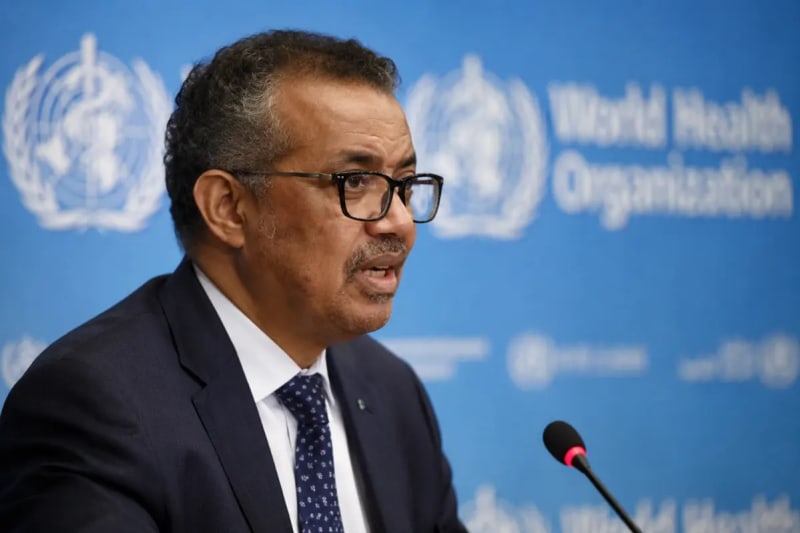
The World Health Organization’s top official took the rare step of issuing a direct, emotionally charged plea to warring factions in the Democratic Republic of the Congo, urging them to lay down their arms for the sake of civilian survival. In a statement released this week, Dr. Tedros Adhanom Ghebreyesus addressed the people of Ituri province and the wider DRC population, emphasizing his personal connection to the region and the catastrophic consequences of continued conflict on public health. The appeal comes as healthcare facilities in conflict zones report critical shortages of medical supplies, staff, and safe access for patients.
Why Public Health Officials Are Concerned
The ongoing violence in eastern DRC has created a perfect storm for a public health catastrophe. Hospitals and clinics, already underfunded and understaffed, are now facing targeted attacks, looting, and forced closures. In Ituri alone, more than 1.5 million people are internally displaced, living in overcrowded camps with limited access to clean water, sanitation, or medical care. The collapse of health infrastructure has led to resurgences of cholera, measles, and malaria, diseases that were once under control but are now spreading unchecked. WHO officials warn that without immediate intervention, the region could see a repeat of the 2018, 2020 Ebola outbreak, which claimed over 2,000 lives and required a massive international response to contain.
Who May Be Affected
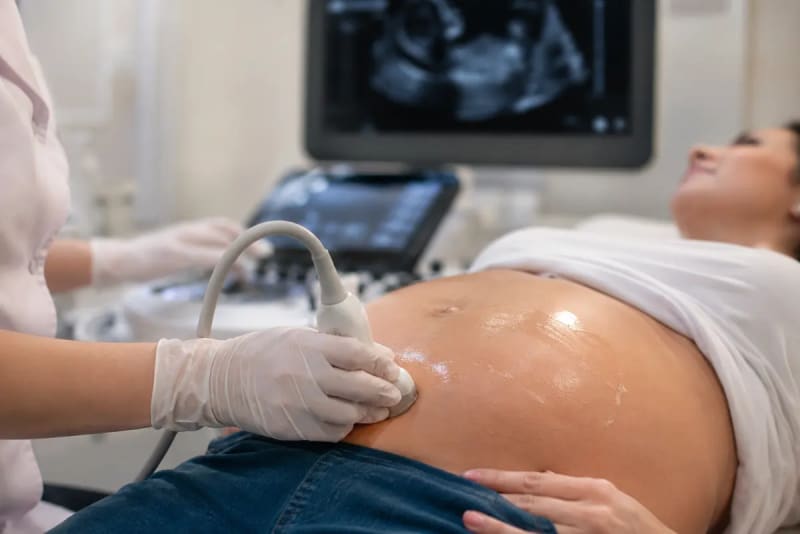
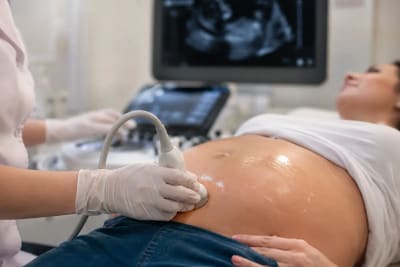
The most vulnerable populations are children, pregnant women, and the elderly, who are disproportionately affected by the breakdown of healthcare services. In conflict zones, routine immunizations have plummeted, leaving thousands of children susceptible to preventable diseases. Women face increased risks during childbirth due to the lack of skilled attendants and emergency obstetric care. Additionally, healthcare workers, already in short supply, are being targeted, kidnapped, or forced to flee, further crippling the system. The UN estimates that over 26 million people in DRC require humanitarian assistance, with health needs accounting for a significant portion of that figure.
Government or WHO Response
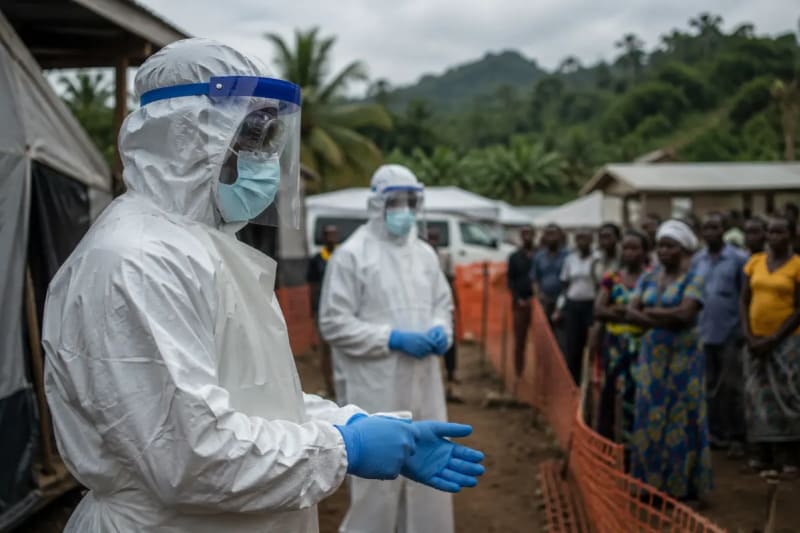
The WHO has ramped up its emergency response in the region, deploying mobile clinics, medical teams, and supplies to areas where health facilities have been destroyed. However, the organization has repeatedly stressed that humanitarian aid alone cannot solve the crisis. In his statement, Tedros called on the international community to exert diplomatic pressure on all parties to the conflict, urging them to prioritize the protection of civilians and healthcare workers. The WHO is also coordinating with local authorities to establish safe corridors for the delivery of medical supplies and the evacuation of critically ill patients.
Prevention and Safety Guidance
For civilians caught in the crossfire, the WHO and partner organizations have issued the following guidance:
- Avoid non essential travel to high risk areas, particularly in Ituri, North Kivu, and South Kivu provinces.
- Seek immediate medical attention if symptoms of cholera, measles, or malaria appear, as early treatment can be lifesaving.
- Ensure children receive all recommended vaccinations, even if routine health services are disrupted. Mobile vaccination teams may be operating in some areas.
- Pregnant women should identify the nearest functional health facility and plan for delivery with a skilled attendant, even if it requires traveling outside the conflict zone.
- Follow updates from trusted sources, such as the WHO, UNICEF, and local health authorities, for information on safe zones and available services.
What Readers Should Know
The crisis in DR Congo is not just a local or regional issue; it is a global public health concern. The collapse of healthcare systems in conflict zones can lead to the resurgence of diseases that know no borders, posing risks to neighboring countries and beyond. The WHO’s plea for a ceasefire is a reminder that health and peace are inextricably linked. For those looking to help, supporting reputable humanitarian organizations working on the ground, such as Médecins Sans Frontières, the International Committee of the Red Cross, and UNICEF, can make a tangible difference. Additionally, raising awareness about the situation and advocating for diplomatic solutions can help pressure warring parties to prioritize civilian lives over conflict.
Key Takeaways
- The WHO Director General has issued a rare personal appeal for a ceasefire in DR Congo, highlighting the catastrophic impact of conflict on public health.
- Over 26 million people in DR Congo require humanitarian assistance, with healthcare systems on the brink of collapse in conflict zones.
- The resurgence of preventable diseases like cholera, measles, and malaria is directly linked to the breakdown of health infrastructure and displacement of populations.
- Civilians, particularly children, pregnant women, and the elderly, are at heightened risk due to the lack of access to medical care and routine immunizations.
- The WHO and partner organizations are providing emergency medical support but emphasize that a political solution is essential to resolving the crisis.
Frequently Asked Questions
Why is the WHO calling for a ceasefire in DR Congo?
The WHO is calling for a ceasefire because ongoing violence has led to the collapse of healthcare systems in conflict zones, resulting in preventable deaths, disease outbreaks, and the displacement of millions. Without peace, humanitarian organizations cannot effectively deliver medical aid or protect civilians.
What diseases are resurging in DR Congo due to the conflict?
Cholera, measles, and malaria are among the diseases resurging in DR Congo due to the breakdown of healthcare infrastructure, displacement of populations, and lack of access to clean water and sanitation. These diseases were previously under control but are now spreading rapidly in conflict affected areas.
How can civilians in DR Congo protect themselves during the conflict?
Civilians should avoid non essential travel to high risk areas, seek immediate medical attention for symptoms of disease, ensure children receive vaccinations, and follow updates from trusted sources like the WHO and local health authorities. Pregnant women should plan for delivery with a skilled attendant, even if it requires traveling to a safer area.
What is the international community doing to help?
The WHO and other humanitarian organizations are deploying mobile clinics, medical teams, and supplies to conflict zones. They are also advocating for diplomatic pressure on warring parties to protect civilians and healthcare workers. Safe corridors for medical deliveries and evacuations are being established in coordination with local authorities.
How can people outside DR Congo support those affected?
People can support reputable humanitarian organizations working on the ground, such as Médecins Sans Frontières, the International Committee of the Red Cross, and UNICEF. Raising awareness about the crisis and advocating for diplomatic solutions can also help pressure warring parties to prioritize civilian lives.
Medical Review: MedSense Editorial Board






DISCUSSION (0)
POST A COMMENT