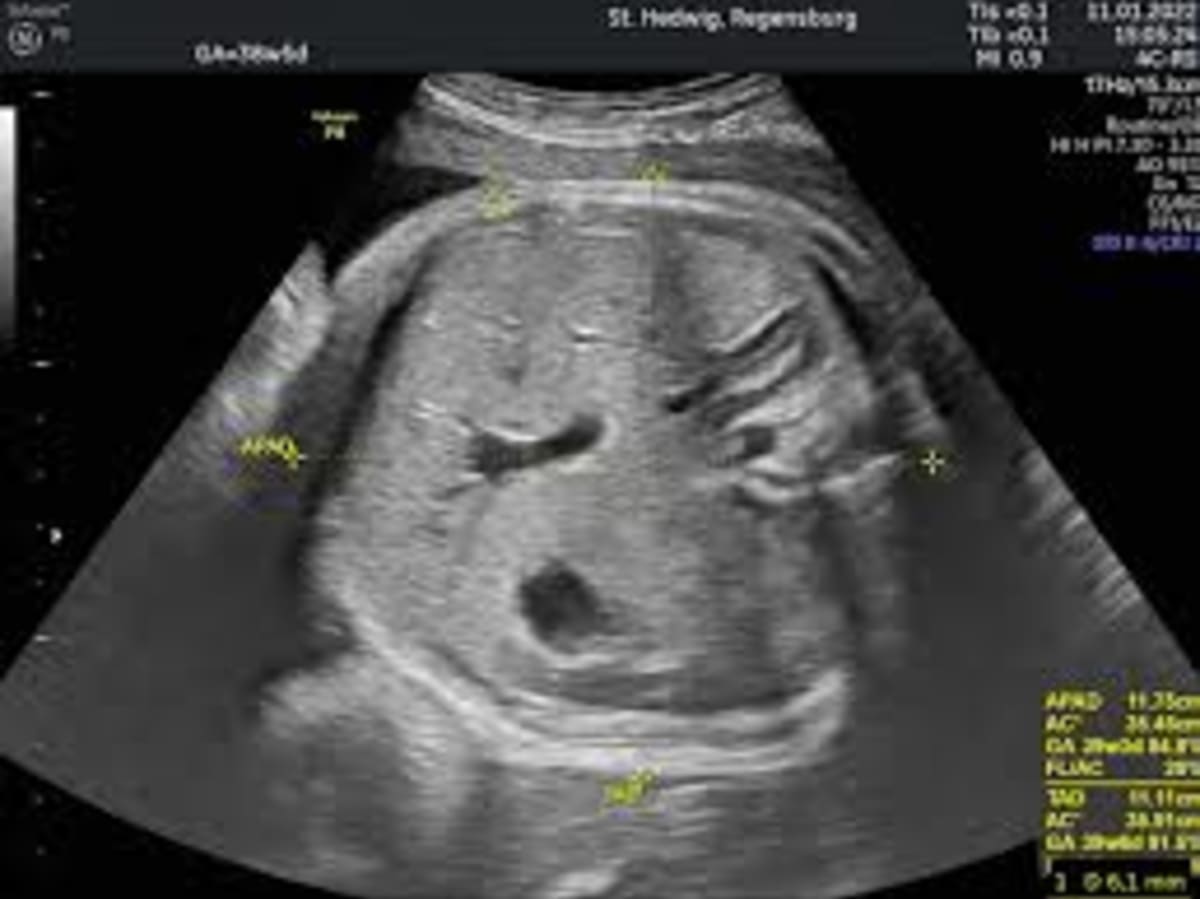
A groundbreaking study from the Medical University of Warsaw suggests that ultrasound measurement of fetal abdominal fat could become a valuable tool for obstetricians managing pregnancies complicated by diabetes. The research, published in *Scientific Reports*, reveals that incorporating this simple metric into existing birth weight prediction models may significantly improve accuracy, particularly in cases where fetal macrosomia, a condition linked to delivery complications, is a concern. For women with gestational or type 1 diabetes, the risk of delivering an excessively large baby is a well documented challenge. Current ultrasound formulas, while widely used, often fall short in precision, leaving clinicians and expectant mothers with uncertain estimates. This study offers a potential solution by demonstrating that fetal abdominal fat thickness, when combined with standard biometric measurements, could refine predictions and better identify at risk pregnancies.
Clinical Significance
Fetal macrosomia, defined as a birth weight of 4,000 grams or more, occurs in up to 10% of pregnancies but is far more common in women with diabetes. The condition increases the risk of shoulder dystocia, cesarean delivery, and neonatal hypoglycemia, making accurate prenatal prediction critical for clinical decision making. Current ultrasound based birth weight estimation formulas, such as the widely used Hadlock model, rely on measurements like head circumference and abdominal circumference but do not account for variations in fetal fat distribution, a key factor in diabetic pregnancies.
This study addresses that gap by evaluating fetal abdominal fat mass (AFM) as an additional predictive marker. The findings suggest that AFM, when integrated into existing models, could reduce estimation errors and improve the detection of macrosomia, particularly in women with type 1 diabetes, where fetal overgrowth is most pronounced.
Deep Dive and Research Findings
The prospective observational study included 245 pregnant women divided into four groups: those with diet controlled gestational diabetes (GDMG1), insulin controlled gestational diabetes (GDMG2), type 1 diabetes (T1DM), and non diabetic controls. Within 72 hours of delivery, researchers measured fetal AFM alongside standard biometric parameters, such as abdominal circumference and biparietal diameter.
Key findings included:
- Women with type 1 diabetes had significantly higher median AFM and abdominal circumference measurements, as well as higher birth weights, compared to other groups.
- Both AFM and abdominal circumference showed strong positive correlations with birth weight across all groups, with statistical significance at p < 0.001.
- Two new predictive models, one incorporating maternal body mass index and ultrasound derived parameters (biparietal diameter, abdominal circumference, and AFM), and another combining abdominal circumference and AFM, demonstrated lower mean absolute percent errors than the Hadlock formula in women with GDMG1 and T1DM.
- A novel equation for predicting fetal macrosomia, based on abdominal circumference and AFM, achieved a sensitivity of 84.8% and a specificity of 91.9% in the total study population.
The authors emphasize that while these results are promising, further validation through large scale, multicenter studies is necessary before clinical adoption.
Future Outlook and Medical Implications
If validated, the integration of fetal AFM measurement into routine prenatal ultrasound could transform how obstetricians monitor pregnancies complicated by diabetes. The simplicity of the technique, requiring no additional equipment beyond standard ultrasound machines, makes it a practical candidate for widespread use. Improved birth weight prediction could lead to better informed delivery planning, potentially reducing the incidence of emergency cesarean sections and birth injuries associated with macrosomia.
Beyond diabetes, the study raises broader questions about the role of fetal fat distribution in other high risk pregnancies, such as those affected by obesity or metabolic disorders. Future research may explore whether AFM measurements could enhance risk stratification in these populations as well.
Patient or Practitioner Guidance
For expectant mothers with diabetes, this study underscores the importance of regular prenatal monitoring and open communication with healthcare providers about birth weight predictions. While the findings are not yet part of standard care, they highlight the evolving nature of obstetric ultrasound and the potential for more personalized risk assessments.
For clinicians, the research serves as a reminder that current birth weight estimation tools, while useful, may have limitations in diabetic pregnancies. Staying informed about emerging techniques, such as AFM measurement, could help practitioners refine their approach to managing high risk cases. However, until further validation is completed, the Hadlock formula and other established models remain the gold standard in clinical practice.
Key Takeaways
- Ultrasound measurement of fetal abdominal fat mass (AFM) may improve birth weight prediction accuracy in pregnancies complicated by gestational or type 1 diabetes.
- A new predictive model combining AFM and abdominal circumference achieved high sensitivity (84.8%) and specificity (91.9%) for detecting fetal macrosomia in the study population.
- Further large scale, multicenter studies are needed before AFM measurement can be recommended for routine clinical use.
Frequently Asked Questions
What is fetal macrosomia, and why is it a concern in diabetic pregnancies?
Fetal macrosomia refers to a birth weight of 4,000 grams or more, regardless of gestational age. In diabetic pregnancies, it is more common due to elevated blood sugar levels, which can lead to excessive fetal growth. Macrosomia increases the risk of complications such as shoulder dystocia, cesarean delivery, and neonatal hypoglycemia.
How does measuring fetal abdominal fat improve birth weight predictions?
Current ultrasound models estimate birth weight using measurements like head and abdominal circumference but do not account for variations in fetal fat distribution. Fetal abdominal fat mass (AFM) appears to be a strong indicator of overall fetal growth, particularly in diabetic pregnancies, where fat deposition is often disproportionate. Including AFM in predictive models may reduce estimation errors.
Is this new ultrasound technique available to patients now?
No. While the study results are promising, the technique requires further validation through large scale, multicenter trials before it can be recommended for routine clinical use. For now, obstetricians continue to rely on established birth weight estimation formulas.
What should pregnant women with diabetes do with this information?
Women with diabetes should maintain regular prenatal care and discuss any concerns about fetal growth or birth weight with their healthcare provider. While this research is encouraging, it is not yet part of standard practice. Open communication with your obstetrician can help ensure the best possible outcomes for both mother and baby.
Medical Review: MedSense Editorial Board






















DISCUSSION (0)
POST A COMMENT