What Happened
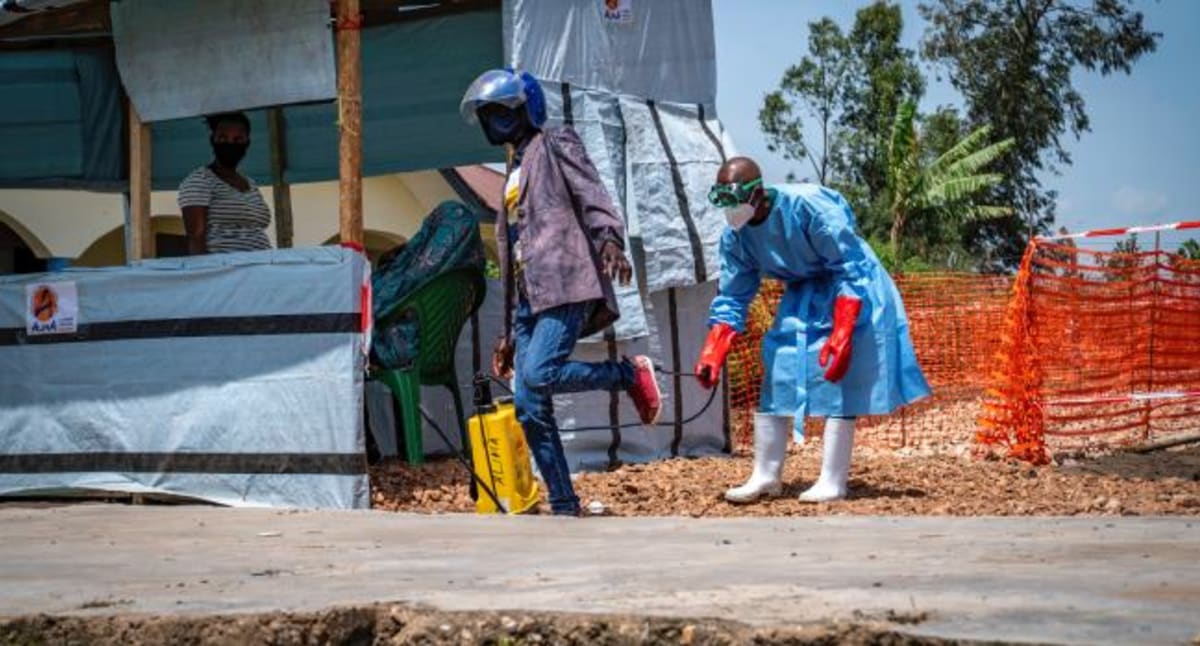
Ugandan health officials confirmed seven cases of the Bundibugyo Ebola virus strain, a less common but still dangerous variant of the disease, marking the first cross border transmission from the Democratic Republic of Congo in this outbreak. The government responded by sealing key border crossings, restricting movement between the two countries to curb further spread. While no deaths have been reported in Uganda, the detection of cases outside the DRC raises alarms about the virus’s ability to move undetected through informal migration routes.
Why Public Health Officials Are Concerned
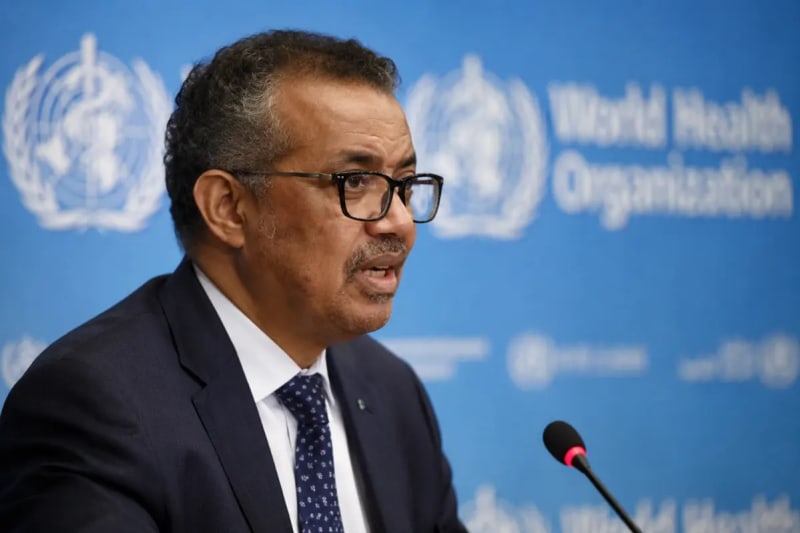
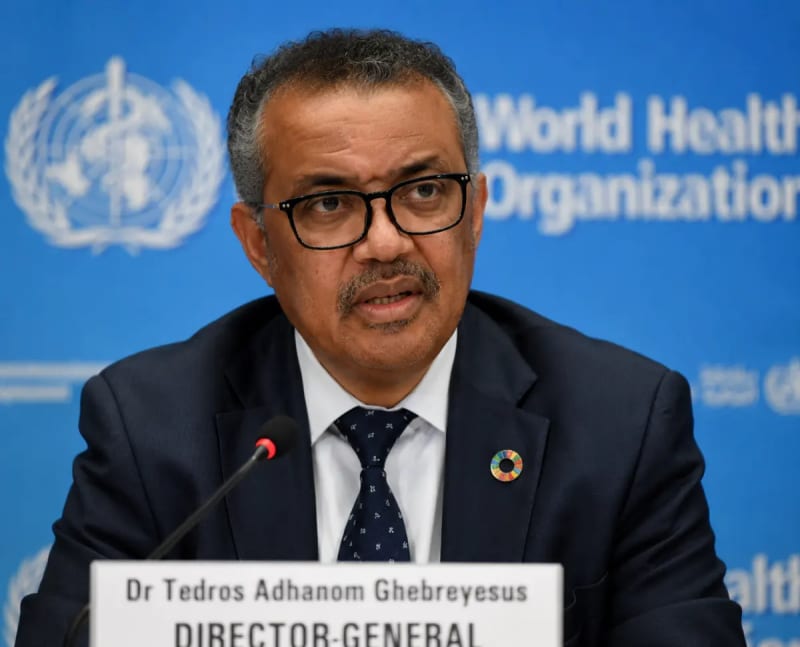
The Bundibugyo strain, though less lethal than the Zaire strain responsible for the 2014, 2016 West Africa epidemic, remains a serious public health threat. It has a case fatality rate of approximately 30 to 50 percent and can spread through direct contact with bodily fluids, contaminated surfaces, or infected animals. Unlike the Zaire strain, Bundibugyo has been less studied, and its clinical presentation can vary, making early diagnosis more challenging. The World Health Organization has classified the outbreak as a regional risk, citing the high volume of trade, family ties, and refugee movements between Uganda and the DRC as key factors in potential transmission.
Symptoms or Risk Factors
Ebola symptoms typically appear between 2 and 21 days after exposure and may include sudden fever, fatigue, muscle pain, headache, and sore throat, followed by vomiting, diarrhea, rash, and in severe cases, internal and external bleeding. Healthcare workers, family members caring for the sick, and those handling deceased bodies are at highest risk of infection. The Bundibugyo strain may present with milder initial symptoms, which can delay medical attention and increase the risk of community spread.
Who May Be Affected
Residents in western Uganda, particularly those in districts bordering the DRC such as Kasese and Bundibugyo, are most vulnerable. Refugees, cross border traders, and healthcare workers in these areas face elevated exposure risks. The Ugandan Ministry of Health has also warned that travelers moving between the two countries, even through unofficial routes, could unknowingly carry the virus, putting urban centers like Kampala at potential risk if containment measures fail.
Government or WHO Response
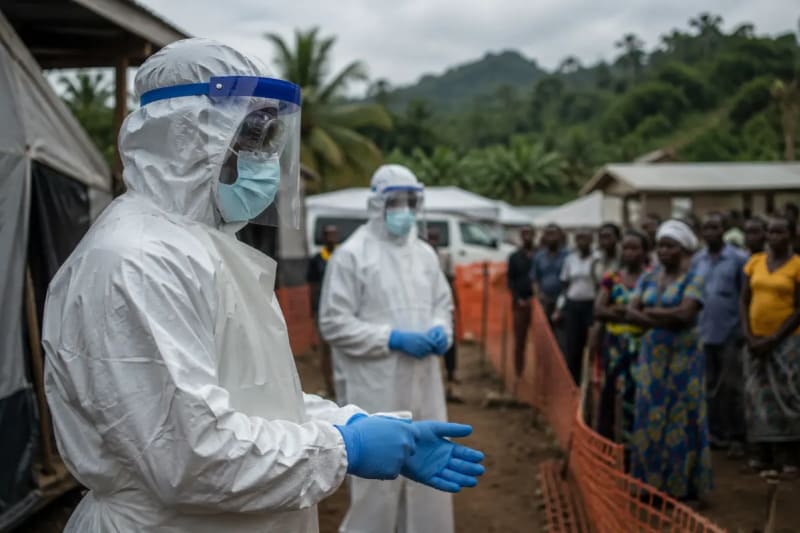
The Ugandan government, in coordination with the World Health Organization and the Africa Centres for Disease Control and Prevention, has activated its national Ebola response plan. This includes enhanced surveillance at border points, community education campaigns, and the establishment of isolation units in high risk districts. The WHO has deployed rapid response teams to support contact tracing and laboratory testing, while also assisting the DRC in strengthening its outbreak control measures. Vaccination campaigns using the Ervebo vaccine, effective against the Zaire strain, are not expected to provide protection against Bundibugyo, limiting current preventive options.
Prevention and Safety Guidance
Public health authorities urge the following precautions:
- Avoid unnecessary travel to affected areas, especially along the Uganda DRC border.
- Practice strict hand hygiene with soap and water or alcohol based sanitizers.
- Avoid direct contact with blood, bodily fluids, or the remains of individuals who have died from suspected Ebola.
- Healthcare workers should use personal protective equipment when treating suspected cases.
- Report any symptoms immediately to local health authorities or the nearest health facility.
- Do not handle bushmeat or come into contact with bats, monkeys, or other wild animals that may carry the virus.
What Readers Should Know
This outbreak serves as a critical reminder of the persistent threat posed by Ebola in regions with weak healthcare infrastructure and high population mobility. While the Bundibugyo strain is not currently spreading at the scale of previous epidemics, its emergence in a conflict affected area like eastern DRC complicates containment efforts. For Ugandans and Congolese living near the border, staying informed through official health channels and adhering to prevention guidelines is essential. The global health community is closely monitoring the situation, but local vigilance remains the first line of defense against a broader public health emergency.
Key Takeaways
- Uganda has confirmed seven cases of the rare Bundibugyo Ebola strain, prompting border closures with the DRC to prevent further spread.
- The Bundibugyo strain has a case fatality rate of 30 to 50 percent and can spread through direct contact with bodily fluids or contaminated surfaces.
- High risk groups include border residents, healthcare workers, refugees, and cross border traders; symptoms may appear 2 to 21 days after exposure.
- The WHO and Uganda’s Ministry of Health are leading response efforts, including surveillance, contact tracing, and community education, but no vaccine is currently available for this strain.
- Prevention measures include avoiding travel to affected areas, practicing hand hygiene, and reporting symptoms immediately to health authorities.
Frequently Asked Questions
What is the Bundibugyo Ebola strain?
The Bundibugyo strain is one of six known species of the Ebola virus. It was first identified in 2007 in Uganda’s Bundibugyo district and has since caused sporadic outbreaks in the region. While less deadly than the Zaire strain, it remains a serious public health threat with a case fatality rate of 30 to 50 percent.
How does Ebola spread?
Ebola spreads through direct contact with the blood, bodily fluids, or tissues of infected people or animals, or through contact with contaminated surfaces. It is not airborne, but close contact with an infected individual, especially in healthcare or burial settings, poses a high risk of transmission.
Are there treatments or vaccines for the Bundibugyo strain?
Currently, there are no licensed vaccines or specific treatments for the Bundibugyo strain. Supportive care, such as rehydration and symptom management, improves survival rates. Research is ongoing, but the Ervebo vaccine, effective against the Zaire strain, does not protect against Bundibugyo.
What should I do if I suspect I’ve been exposed to Ebola?
If you believe you’ve been exposed, isolate yourself immediately and contact local health authorities or a healthcare provider. Avoid physical contact with others and do not travel. Early medical attention can significantly improve outcomes and reduce the risk of spreading the virus.
How can communities near the Uganda DRC border protect themselves?
Communities should follow public health guidance: avoid unnecessary travel to affected areas, practice regular handwashing, avoid contact with sick individuals or bushmeat, and report any symptoms to health authorities. Staying informed through official sources is critical to preventing misinformation and panic.
Medical Review: MedSense Editorial Board










DISCUSSION (0)
POST A COMMENT