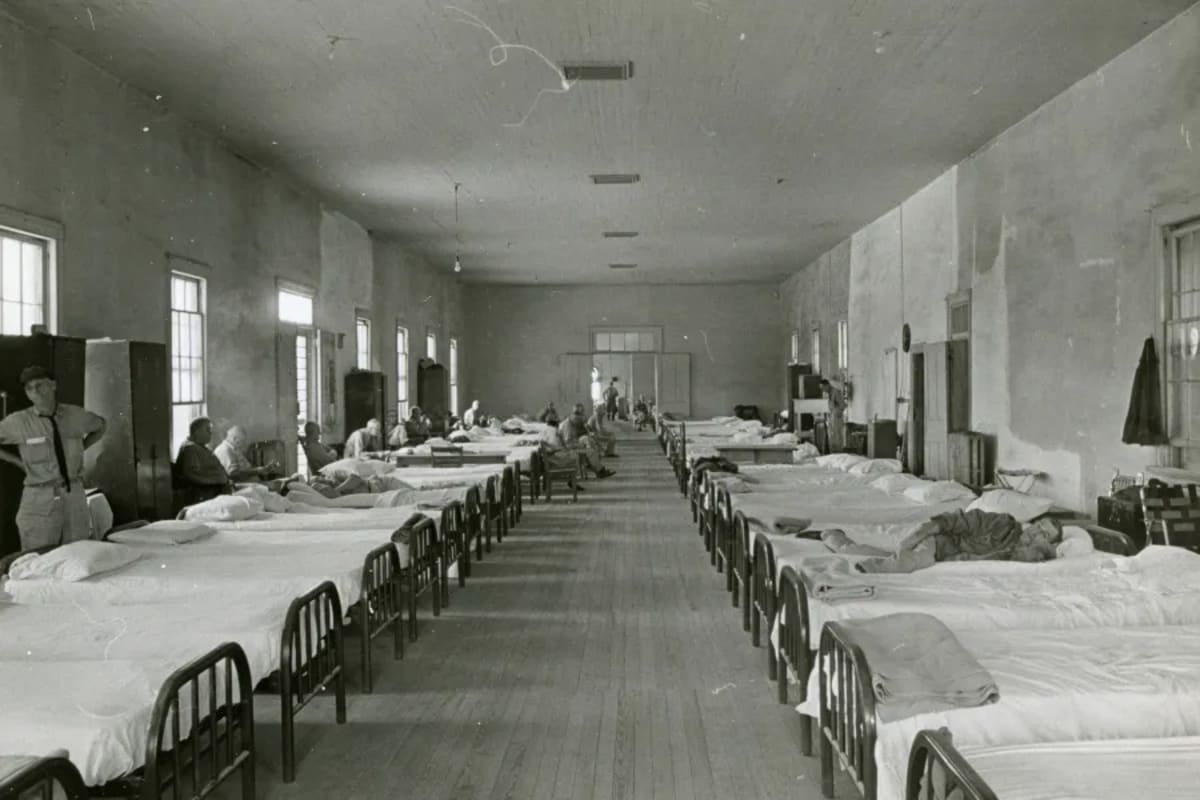
For decades, Breta Meria Conole lived in a state psychiatric hospital, yet her family has no clear answer as to why. The records that could explain her diagnosis, treatment, or even the circumstances of her admission remain locked behind a wall of state privacy laws. This isn’t an isolated case. Across the U.S., families seeking to understand their ancestors’ medical histories are hitting legal roadblocks that prioritize confidentiality over transparency, even when the individuals in question have been deceased for years. The implications extend beyond personal curiosity, touching on public health, genetic risk assessment, and the ethical balance between privacy and the right to know.
What Happened
Breta Meria Conole spent more than 20 years in a state psychiatric facility, but her family has been unable to access her medical records. State laws designed to protect patient privacy often extend indefinitely, even after death, creating insurmountable barriers for descendants trying to piece together their ancestors’ health histories. These laws vary widely by state, with some allowing access only to immediate next of kin or requiring court orders that are rarely granted. The result is a growing number of families left with unanswered questions about genetic predispositions, institutional conditions, and the broader social context of mental health care in the 20th century.
Why Public Health Officials and Ethicists Are Concerned
The inability to access historic psychiatric records has ripple effects beyond individual families. Public health researchers argue that these records could provide valuable insights into the long term outcomes of institutionalization, the evolution of psychiatric treatments, and the genetic links to mental health conditions. For example, a family history of schizophrenia or bipolar disorder can significantly increase an individual’s risk, yet without access to records, these risks may go unrecognized. Ethicists also debate the moral weight of privacy protections when the individuals in question are no longer alive to benefit from them, while their descendants may face real health consequences from the lack of information.
Who May Be Affected
This issue primarily impacts descendants of individuals who were institutionalized in state psychiatric hospitals, particularly those admitted before the 1980s. Many of these facilities were closed or downsized during the deinstitutionalization movement, leaving behind fragmented or poorly archived records. Families of veterans treated in VA psychiatric facilities may face similar challenges, as federal privacy laws like HIPAA can also restrict access. Additionally, genealogists and historians studying the social history of mental health care are often stymied by these legal barriers, limiting research into the long term impacts of institutionalization on communities.
Legal and Institutional Responses
Some states have begun to address these concerns by revising their privacy laws to allow limited access to historic records after a set period, typically 50 to 100 years after the patient’s death. For instance, New York’s Mental Hygiene Law permits access to records of deceased patients if the request is made for research or genealogical purposes, provided the information is not used to identify living relatives. However, these exceptions are rare, and most states maintain strict confidentiality rules indefinitely. Advocacy groups, such as the National Alliance on Mental Illness (NAMI), have called for standardized federal guidelines to balance privacy with the public’s right to access historic health data, but progress has been slow.
Prevention and Safety Guidance
For families attempting to navigate these legal barriers, experts recommend starting with state specific resources. Some state archives or mental health departments maintain limited records that may be accessible with a formal request. Legal counsel specializing in health privacy laws can also help determine whether a court order or other legal avenues might be available. In cases where records are unattainable, families may turn to alternative sources, such as census data, institutional admission logs, or newspaper archives, though these rarely provide the clinical detail found in medical records. Public health advocates emphasize the importance of documenting family health histories as thoroughly as possible, even in the absence of official records, to aid future generations in assessing genetic risks.
What Readers Should Know
If you’re researching an ancestor’s psychiatric history, begin by identifying the state where they were institutionalized, as laws vary significantly. Contact the state’s department of mental health or archives to inquire about record retention policies and access procedures. Be prepared for the possibility that records may have been destroyed or lost over time. For those with living relatives who received psychiatric care, consider discussing their health history openly, as this information could be critical for your own medical care. Finally, if you’re a policymaker or advocate, this issue highlights the need for clearer, more consistent laws that respect both privacy and the public’s right to historic health information.
Key Takeaways
- State privacy laws often block access to historic psychiatric records, even decades after a patient’s death, leaving families with unanswered questions about their ancestors’ health.
- These legal barriers have broader public health implications, including hindering research into genetic risks and the long term impacts of institutionalization.
- Some states allow limited access to records for research or genealogical purposes, but most maintain strict confidentiality rules indefinitely.
- Families can explore alternative sources of information, such as state archives or legal counsel, but official medical records may remain out of reach.
- Documenting family health histories, even informally, can help future generations assess genetic risks when official records are unavailable.
Frequently Asked Questions
Why can’t families access their ancestors’ psychiatric records?
Most states have privacy laws that protect psychiatric records indefinitely, even after the patient’s death. These laws are designed to safeguard sensitive health information, but they often don’t account for the needs of descendants seeking to understand their family’s medical history.
Are there any exceptions to these privacy laws?
A few states, like New York, allow limited access to historic records for research or genealogical purposes, typically after a set period following the patient’s death. However, these exceptions are rare, and most states maintain strict confidentiality rules.
What can families do if they can’t access official records?
Families can explore alternative sources, such as state archives, institutional admission logs, or newspaper archives. Consulting legal counsel specializing in health privacy laws may also help determine if any legal avenues are available. Documenting family health histories informally can also be valuable for future generations.
How do these laws affect public health research?
The lack of access to historic psychiatric records limits research into the long term outcomes of institutionalization, the evolution of psychiatric treatments, and genetic links to mental health conditions. This gap in data can hinder efforts to understand and address mental health risks in populations.
What are advocates doing to change these laws?
Advocacy groups, such as the National Alliance on Mental Illness (NAMI), have called for standardized federal guidelines to balance privacy with the public’s right to access historic health data. Some states have begun revising their laws to allow limited access after a set period, but progress remains slow.
Medical Review: MedSense Editorial Board






















DISCUSSION (0)
POST A COMMENT