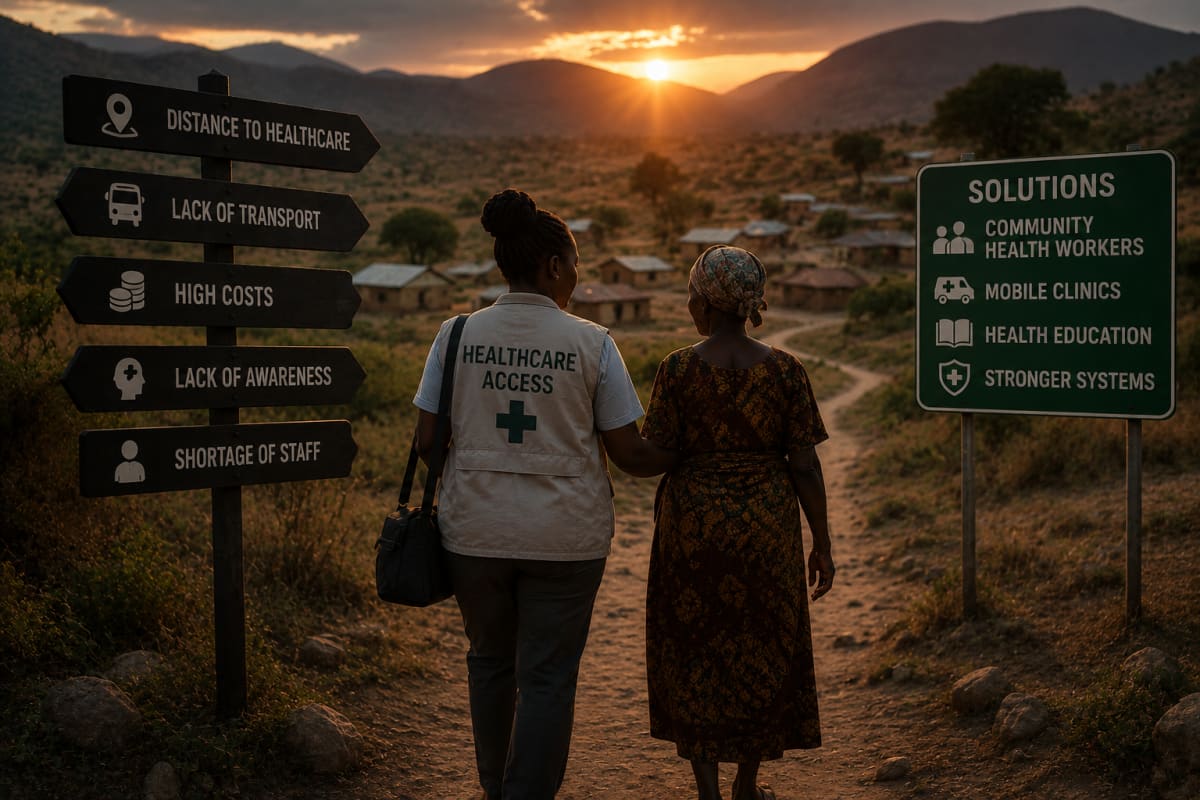
In communities where the nearest hospital can be hours away, the promise of accessible healthcare often feels more like a distant hope than a reality. Rural healthcare systems across the globe are grappling with systemic challenges that threaten the well being of millions. From chronic underfunding to severe workforce shortages, the gaps in rural medical services are widening, leaving patients vulnerable and providers overwhelmed. Public health experts warn that without urgent reforms, these disparities will only deepen, exacerbating health inequities in already underserved regions. The issue is not new, but the stakes have never been higher. As urban healthcare systems expand and innovate, rural areas risk being left further behind. The consequences are stark: delayed diagnoses, preventable deaths, and a growing burden on emergency services ill equipped to handle the load. Policymakers, clinicians, and community leaders are now calling for a reality check, one that prioritizes sustainable solutions over temporary fixes.
What Happened
Rural healthcare systems are facing a crisis of accessibility and quality, with long standing issues now reaching a tipping point. Reports from regions as diverse as the American Midwest, sub Saharan Africa, and rural India highlight a common set of challenges: insufficient funding, a dwindling healthcare workforce, and infrastructure that fails to meet the needs of dispersed populations. In the U.S. alone, nearly 20% of the population lives in rural areas, yet these regions account for only 10% of physicians, according to the National Rural Health Association.
The problem extends beyond numbers. Rural hospitals are closing at an alarming rate, with over 180 shuttered in the U.S. since 2005. Those that remain open often lack specialized services, forcing patients to travel long distances for care that urban residents take for granted. In low income countries, the situation is even more dire, with rural populations frequently relying on understaffed clinics or traditional healers due to the absence of formal medical facilities.
Why Public Health Officials Are Concerned
The collapse of rural healthcare systems has far reaching implications for public health. When primary care is inaccessible, preventable conditions like diabetes, hypertension, and infectious diseases go unmanaged, leading to higher rates of hospitalization and mortality. Emergency services, already stretched thin, become the default option for care, driving up costs and straining resources. The COVID 19 pandemic laid bare these vulnerabilities, as rural areas with limited testing and vaccination sites struggled to contain outbreaks.
Health officials also warn of a vicious cycle: as rural hospitals close or reduce services, younger healthcare professionals are less likely to practice in these areas, further depleting the workforce. This brain drain perpetuates a system where rural residents, often older, sicker, and poorer than their urban counterparts, are left with fewer options for care. The economic impact is equally concerning, as communities with weak healthcare infrastructure struggle to attract businesses and retain residents.
Who May Be Affected
The burden of rural healthcare gaps falls disproportionately on vulnerable populations. Older adults, who are more likely to live in rural areas and require chronic disease management, face the greatest barriers to care. Indigenous communities, migrant workers, and low income families are also at higher risk, as they often lack the resources to travel for medical services. In many countries, women in rural areas have limited access to maternal and reproductive healthcare, contributing to higher rates of pregnancy related complications.
Children in rural communities are not spared either. Pediatric services are often scarce, and preventable conditions like asthma or dental disease go untreated due to the lack of local providers. The long term consequences of these gaps include poorer educational outcomes and reduced economic opportunities, perpetuating cycles of poverty and poor health.
Government and Policy Responses
Governments and international organizations are beginning to acknowledge the urgency of the rural healthcare crisis, though progress remains uneven. In the U.S., the Biden administration has allocated $7.5 billion to expand broadband access in rural areas, a critical step for telehealth adoption. The Centers for Medicare and Medicaid Services have also introduced payment reforms to support rural hospitals, including higher reimbursement rates for certain services.
In Europe, countries like Scotland and Norway have implemented incentive programs to attract healthcare workers to remote areas, offering financial bonuses, housing assistance, and accelerated career development opportunities. Meanwhile, the World Health Organization has called for greater investment in community health workers, who can provide basic care and bridge gaps in rural settings. These workers, often drawn from local communities, are uniquely positioned to build trust and deliver culturally competent care.
Prevention and Safety Guidance
While systemic change is essential, individuals in rural areas can take steps to mitigate the impact of healthcare gaps. Public health experts recommend the following strategies:
- Leverage telehealth services: Where available, telehealth can connect patients with specialists for consultations, mental health support, and chronic disease management. Patients should check with their local clinics or insurers to explore options.
- Prioritize preventive care: Regular screenings for conditions like high blood pressure, diabetes, and cancer can catch problems early, reducing the need for emergency interventions. Community health fairs and mobile clinics often provide free or low cost screenings.
- Build community networks: Rural residents can organize transportation pools to help neighbors reach medical appointments. Local advocacy groups can also pressure policymakers to invest in healthcare infrastructure.
- Stay informed about local resources: Many rural areas have federally qualified health centers or free clinics that offer sliding scale fees based on income. Patients should research these options before forgoing care due to cost.
What Readers Should Know
The rural healthcare crisis is not an isolated issue, it reflects broader inequities in how societies prioritize and fund medical services. While solutions like telehealth and community health workers offer promise, they are not substitutes for robust, well funded healthcare systems. Advocacy at the local, national, and global levels is critical to ensuring that rural communities receive the attention and resources they deserve.
For those living in rural areas, staying proactive about health and leveraging available resources can make a meaningful difference. For policymakers and healthcare leaders, the message is clear: temporary fixes will not suffice. Sustainable change requires long term investment, innovative thinking, and a commitment to equity. The health of millions depends on it.
Key Takeaways
- Rural healthcare systems worldwide are struggling with funding shortages, workforce deficits, and infrastructure gaps, leaving millions without adequate access to medical services.
- The collapse of rural healthcare exacerbates health inequities, leading to higher rates of preventable diseases, hospitalizations, and mortality among vulnerable populations.
- Governments and organizations are exploring solutions like telehealth, community health workers, and financial incentives for providers, but systemic reforms are urgently needed.
- Individuals in rural areas can mitigate gaps by using telehealth, prioritizing preventive care, and leveraging community resources, but advocacy for policy change remains essential.
Frequently Asked Questions
Why are rural healthcare systems failing?
Rural healthcare systems face a combination of challenges, including chronic underfunding, workforce shortages, and infrastructure limitations. Many rural hospitals have closed due to financial strain, and those that remain often lack specialized services. Additionally, rural areas struggle to attract and retain healthcare professionals, creating a cycle of declining access to care.
How does the lack of rural healthcare affect public health?
When rural residents lack access to primary care, preventable conditions go unmanaged, leading to higher rates of hospitalization and emergency room visits. This strains already limited resources and increases healthcare costs. The COVID 19 pandemic highlighted these vulnerabilities, as rural areas with few testing or vaccination sites struggled to control outbreaks.
What are some potential solutions to improve rural healthcare?
Potential solutions include expanding telehealth services, investing in community health workers, offering financial incentives to attract providers to rural areas, and increasing funding for rural hospitals. Policy reforms, such as higher reimbursement rates for rural healthcare services, can also help stabilize these systems.
What can individuals in rural areas do to access better healthcare?
Individuals can leverage telehealth services for consultations and chronic disease management, prioritize preventive care like screenings, and explore local resources such as federally qualified health centers or free clinics. Building community networks to share transportation or advocate for better services can also help bridge gaps in care.
Are there any successful models for rural healthcare?
Yes, some countries have implemented successful models. For example, Scotland and Norway offer financial incentives and career development opportunities to attract healthcare workers to remote areas. The use of community health workers, who provide basic care and build trust in local communities, has also shown promise in countries like Brazil and Ethiopia.
Medical Review: MedSense Editorial Board















DISCUSSION (0)
POST A COMMENT