What Happened
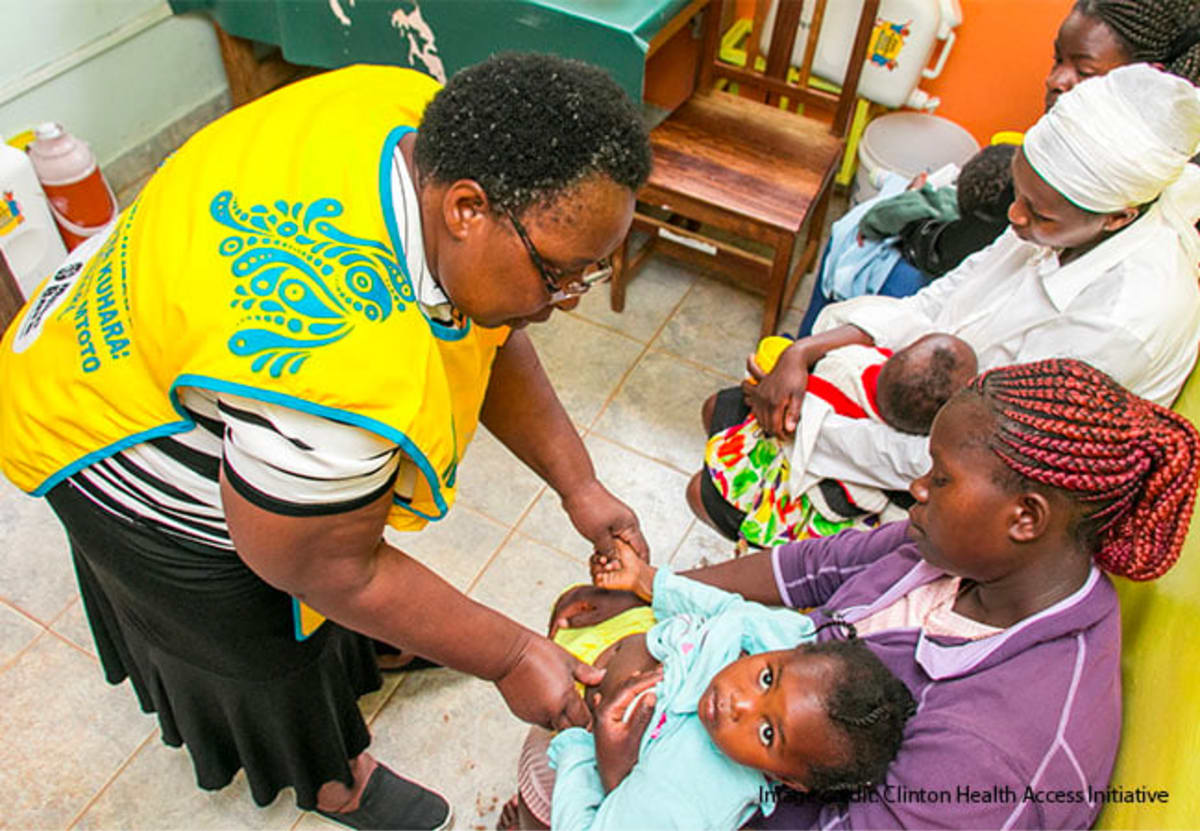
On Monday, the Oyo State Primary Health Care Board convened a training session for operational level health officers from every local government area in the state. The program centered on the Integrated Management of Childhood Illness (IMCI), a protocol developed by the World Health Organization and UNICEF to standardize the assessment, classification, and treatment of major childhood illnesses such as pneumonia, diarrhea, malaria, malnutrition, and measles. The training aimed to equip health workers with updated clinical guidelines, diagnostic tools, and communication strategies to improve outcomes for children under five.
Why Public Health Officials Are Concerned
Childhood mortality remains a pressing public health challenge in Nigeria, where an estimated 700,000 children under five die annually, many from preventable or treatable conditions. In Oyo State, as in much of the country, access to quality primary healthcare varies widely between urban and rural areas. Frontline health workers often serve as the first and sometimes only point of contact for families, making their capacity to recognize danger signs, administer appropriate treatment, and refer complex cases a critical determinant of child survival. Without standardized training, misdiagnosis, delayed treatment, and inconsistent care can undermine even well intentioned efforts.
Who May Be Affected
The training directly impacts health officers working in primary health centers, dispensaries, and community outreach programs across Oyo State. Indirectly, the initiative stands to benefit over 2.5 million children under five in the state, particularly those in underserved communities where healthcare infrastructure is limited. Families relying on public health facilities for routine check ups, immunizations, and illness management will experience improved quality of care, while health workers gain confidence and competence in managing common childhood conditions.
Government Response and Public Health Strategy
The Oyo State government, through its Primary Health Care Board, has positioned this training as part of a broader strategy to achieve the Sustainable Development Goal target of reducing under five mortality to at least 25 per 1,000 live births by 2030. The IMCI approach is not new in Nigeria, but its implementation has been inconsistent due to funding constraints, staff turnover, and logistical challenges. By investing in frontline capacity, Oyo State aims to institutionalize best practices, reduce reliance on tertiary facilities for basic care, and create a scalable model for other states to follow.
Prevention and Safety Guidance
While the training focuses on health worker capacity, families also play a vital role in child health. Parents and caregivers are encouraged to:
- Seek medical attention promptly when a child shows signs of illness, such as fever, difficulty breathing, persistent diarrhea, or lethargy.
- Complete recommended immunization schedules to protect against vaccine preventable diseases.
- Practice good hygiene, including handwashing with soap, safe food preparation, and clean water storage.
- Attend regular well child visits, even when the child appears healthy, to monitor growth and development.
- Follow treatment plans as prescribed by health workers, including completing full courses of medication.
What Readers Should Know
This training initiative reflects a growing recognition that strengthening primary healthcare is not just about building facilities but ensuring the people who staff them have the skills and tools to save lives. For Oyo State, the success of this program will depend on sustained funding, regular refresher training, and integration with existing health programs such as immunization campaigns and nutrition support. While the immediate impact may not be visible, the long term benefits, fewer preventable deaths, healthier communities, and a more resilient health system, could set a precedent for child health advocacy across Nigeria.
Key Takeaways
- Oyo State has trained frontline health officers across all 33 local governments in the Integrated Management of Childhood Illness (IMCI) to standardize and improve child healthcare.
- The training aims to reduce preventable child mortality by enhancing early diagnosis, treatment, and referral of common childhood illnesses like pneumonia, diarrhea, and malaria.
- Strengthening primary healthcare capacity is critical in Nigeria, where under five mortality remains high and access to quality care is uneven.
- Families can support child health by seeking timely medical care, completing immunizations, and practicing good hygiene.
Frequently Asked Questions
What is the Integrated Management of Childhood Illness (IMCI)?
IMCI is a strategy developed by the World Health Organization and UNICEF to improve the management of common childhood illnesses in primary healthcare settings. It provides standardized guidelines for assessing, classifying, treating, and referring children under five with conditions such as pneumonia, diarrhea, malaria, malnutrition, and measles.
Why is this training important for Oyo State?
Oyo State, like much of Nigeria, faces high rates of preventable child mortality. Training frontline health workers in IMCI ensures they can provide consistent, evidence based care, particularly in rural and underserved areas where access to specialists is limited.
How will this training impact families?
Families will benefit from improved quality of care at primary health centers, including faster and more accurate diagnosis, appropriate treatment, and clear guidance on when to seek further medical attention. This can lead to better health outcomes and reduced out of pocket expenses for families.
What can parents do to support their child’s health?
Parents should seek medical care promptly when their child is ill, complete all recommended immunizations, practice good hygiene, and attend regular well child visits. Following treatment plans as prescribed by health workers is also crucial for recovery.
Medical Review: MedSense Editorial Board










DISCUSSION (0)
POST A COMMENT