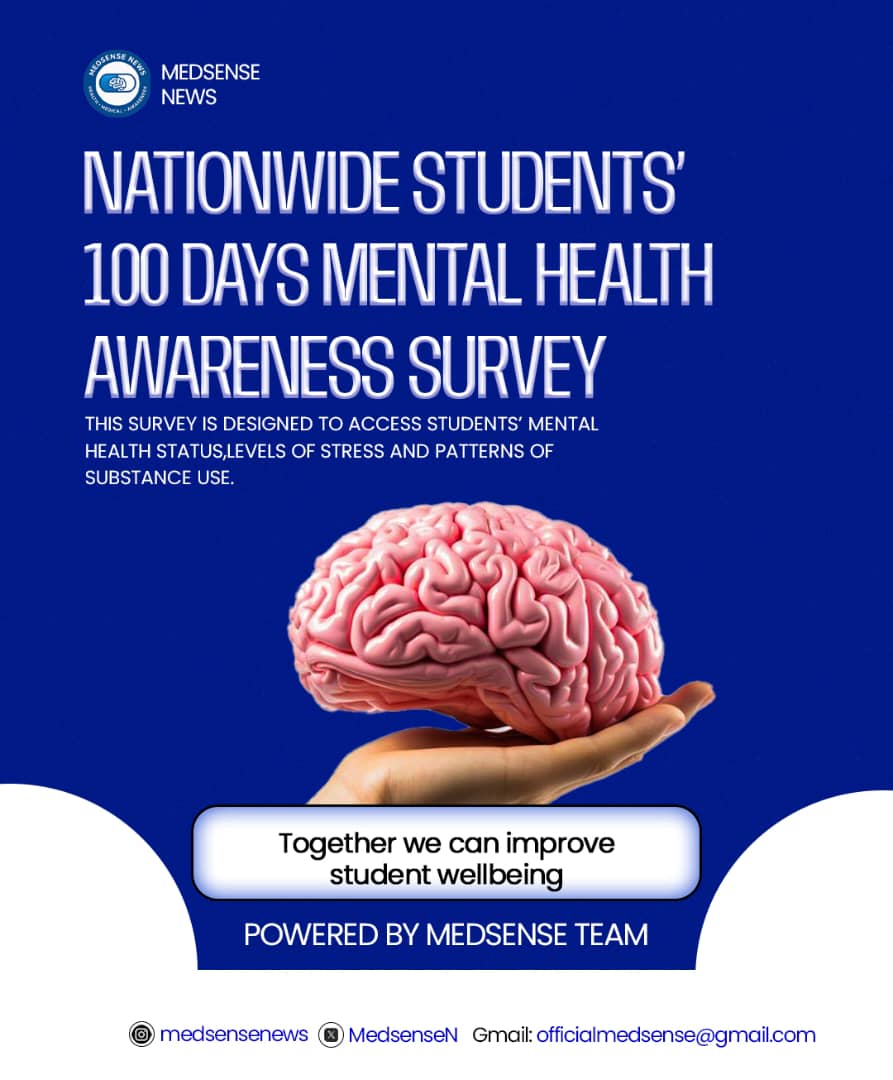
After 14 weeks of nationwide data collection, the Nationwide Student Mental Health Awareness Survey (NSMHAS 2026) has concluded, offering the first comprehensive snapshot of mental health challenges facing students across U.S. educational institutions.
The survey, conducted by the MedSense Foundation from January 12 to April 22, 2026, engaged participants from K 12 schools, colleges, and universities, providing critical insights into the psychological stressors shaping student well being.
What the Survey Revealed
The NSMHAS 2026 survey collected responses from over 50,000 students, educators, and administrators, making it one of the largest studies of its kind. Preliminary data analysis indicates that while awareness of mental health issues has improved, systemic barriers persist in accessing timely support.
Key areas of concern include the availability of licensed counselors, the integration of mental health education into curricula, and the stigma surrounding help seeking behaviors in academic settings.
According to the MedSense Foundation, the survey’s findings will be used to inform policy recommendations aimed at strengthening mental health infrastructure in schools and universities.
Why Public Health Officials Are Concerned
Public health experts warn that untreated mental health conditions among students can lead to long term academic disengagement, substance use disorders, and increased suicide risk. The NSMHAS 2026 data underscores the need for proactive interventions, particularly in underserved communities where mental health resources remain scarce.
The survey’s timing aligns with growing national attention on youth mental health, as federal agencies and advocacy groups push for expanded funding and policy reforms.
Who May Be Affected
While the survey targeted students across all educational levels, preliminary findings suggest that high school and college students face the highest burden of unmet mental health needs. Educators and school staff also reported challenges in identifying and supporting students in distress, highlighting a broader systemic issue.
Rural and low income school districts were particularly underrepresented in existing mental health programs, according to the MedSense Foundation’s initial analysis.
Government and Foundation Response
The U.S. Department of Education has signaled plans to review the NSMHAS 2026 findings as part of its ongoing efforts to update school mental health guidelines. The department is expected to prioritize funding for programs that address gaps identified in the survey.
The MedSense Foundation has announced that it will release a detailed report in June 2026, outlining actionable recommendations for policymakers, school administrators, and healthcare providers.
Prevention and Safety Guidance
Schools and universities are urged to adopt evidence based strategies to improve mental health outcomes, including:
- Expanding access to licensed counselors and telehealth services.
- Integrating mental health literacy into standard curricula.
- Training educators to recognize early signs of distress.
- Implementing peer support programs to reduce stigma.
Parents and guardians are encouraged to familiarize themselves with available resources, such as school based counseling services and community mental health hotlines.
What Readers Should Know
For students struggling with mental health challenges, the NSMHAS 2026 findings reinforce the importance of seeking help early. Schools and universities are increasingly offering confidential support systems, including anonymous reporting tools and crisis intervention services.
Educators and administrators should use the survey’s insights to advocate for policy changes that prioritize mental health funding and staffing in educational institutions.
Key Takeaways
- The NSMHAS 2026 survey collected responses from over 50,000 students, educators, and administrators, revealing systemic gaps in mental health support systems.
- High school and college students face the highest burden of unmet mental health needs, with rural and low income districts particularly underserved.
- Public health experts warn that untreated mental health conditions can lead to long term academic disengagement and increased suicide risk.
- Schools are urged to expand access to licensed counselors, integrate mental health literacy into curricula, and train educators to recognize early signs of distress.
- The U.S. Department of Education and MedSense Foundation will review findings to inform policy updates and funding priorities.
Frequently Asked Questions
When will the full results of the NSMHAS 2026 survey be released?
The MedSense Foundation plans to publish a detailed report in June 2026, outlining findings and actionable recommendations for policymakers and educators.
How can schools improve mental health support for students?
Schools can expand access to licensed counselors, integrate mental health literacy into curricula, train educators to recognize distress, and implement peer support programs.
What resources are available for students struggling with mental health issues?
Students can access school based counseling services, community mental health hotlines, and anonymous reporting tools. The survey highlights the need for confidential support systems.
Why is the NSMHAS 2026 survey significant for public health?
The survey provides critical data on mental health challenges in academic settings, informing policy reforms and funding priorities to address gaps in support systems.
Medical Review: MedSense Editorial Board









DISCUSSION (0)
POST A COMMENT