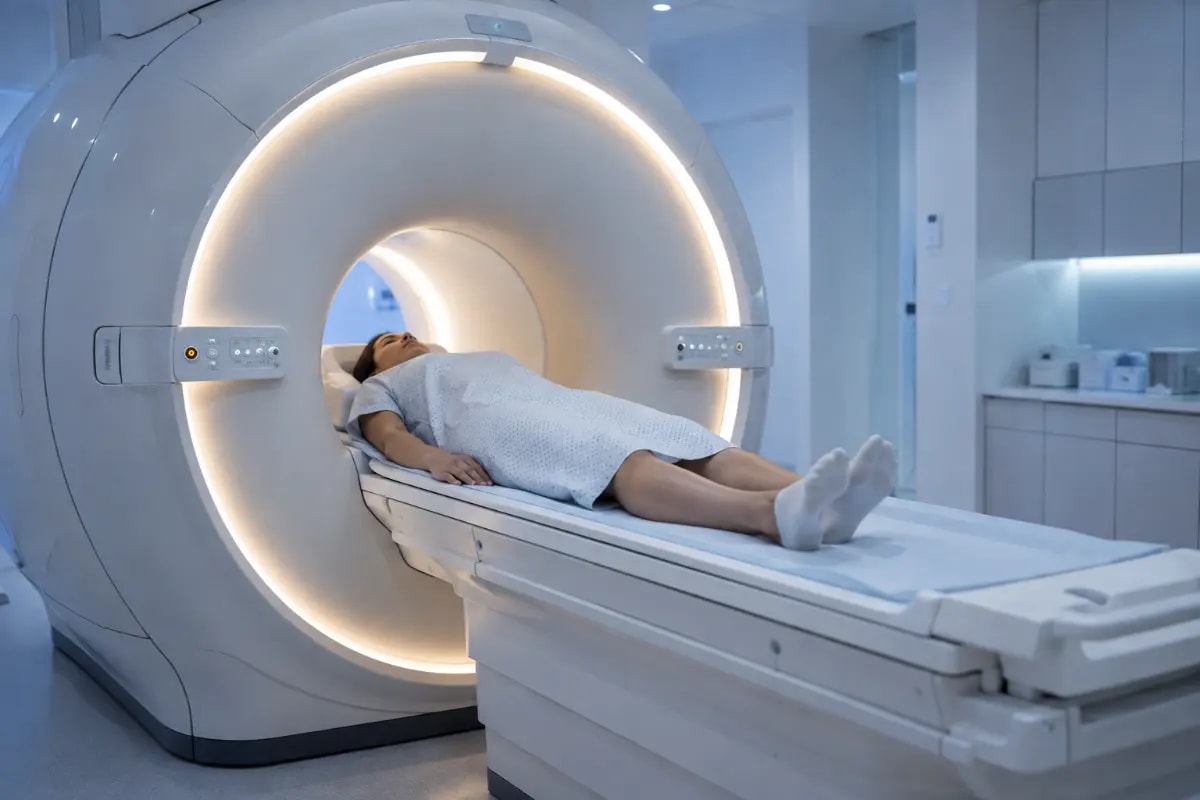
The private full body scan industry is expanding rapidly, with companies like Neko Health offering AI powered screenings for hundreds of pounds. While some patients credit these scans with life saving early diagnoses, medical experts warn they may lead to unnecessary anxiety, overdiagnosis, and additional strain on NHS resources. The debate highlights tensions between preventive healthcare and evidence based medicine, with GPs questioning whether these scans truly improve health outcomes for otherwise healthy individuals.
What We Know
The private health scan industry has seen explosive growth, with companies like Neko Health, Prenuvo, and Ezra raising millions in venture capital. Neko Health alone has 100,000 people on its waiting list for its £299 full body scan, which uses AI to analyze skin, cardiovascular health, blood markers, and more. The company reports that 1.2% of scans at its Stockholm clinic last year detected life threatening conditions like melanoma and leukemia, while another 4% identified significant health issues requiring treatment.
These scans appeal to health conscious individuals seeking early detection of potential problems. Neko Health founder Hjalmar Nilsonne argues that preventive screening should be available to everyone, not just those who can afford it. "The data is super clear, prevention is preferable to cure," he says. The company combines AI analysis with human expertise, though its technology has missed concerning lesions in some cases.
Why This Matters
The rise of private scans has sparked debate among medical professionals. While some patients, like Mehvish, credit these scans with life changing early diagnoses, she discovered latent autoimmune diabetes before symptoms appeared, others, like Annabel Mason Thompson, experienced missed detections. Annabel’s scan failed to flag four cancerous lesions, which were only identified after she pointed them out to a doctor.
NHS England and the Royal College of GPs warn that these scans may do more harm than good. Prof Victoria Tzortziou Brown, president of the RCGP, states there is no "convincing evidence" that broad private screenings improve health outcomes. Instead, they may lead to overdiagnosis, unnecessary follow up tests, and avoidable anxiety. Dr Stephen Harden of the Royal Society of Radiologists adds that NHS screening programs, which target specific areas like the breasts or bowel, may be more reliable than whole body scans.
Public Health Impact
The popularity of private scans is placing additional pressure on the NHS. Patients who receive concerning results often seek further testing or treatment through public healthcare services, even when findings are clinically insignificant. This strains already limited resources and may divert attention from patients with clear symptoms or higher risk profiles.
Former health minister Steve Brine suggests these scans align with a broader shift toward preventive healthcare. "We want to identify people’s problems before they become patients," he says. However, critics argue that without robust evidence of benefit, the scans may create more problems than they solve, particularly for anxious patients who receive false positives or inconclusive results.
Patient Experiences
For some, the scans provide peace of mind. Mehvish, who was diagnosed with latent autoimmune diabetes, says the early intervention "saved my life." She now manages her condition with insulin and dietary changes, reporting improved energy and mental clarity.
Others, like the author of this piece, experience unnecessary anxiety. After her scan, she was told she had 3,311 skin markings, far above the average, and three required further review. Though follow up tests confirmed no abnormalities, the initial results left her unsettled. She also discovered an unusual heart rhythm, which was later deemed harmless, and learned that her freckles put her at higher risk for skin cancer.
Expert Perspective
While private scan companies emphasize their potential to catch diseases early, medical experts urge caution. The NHS currently offers targeted screening programs for conditions like breast, cervical, and bowel cancer, which are backed by evidence showing they reduce mortality. In contrast, whole body scans lack similar validation and may detect minor abnormalities that would never cause harm, leading to unnecessary procedures and stress.
Nilsonne acknowledges that no system is foolproof but argues that combining AI with human expertise improves accuracy. Still, the debate underscores a fundamental question: Should healthcare focus on early detection at all costs, or should it prioritize evidence based interventions that minimize harm?
Key Takeaways
- Private full body scans are growing in popularity, with some patients crediting them for early disease detection, but experts warn of risks like overdiagnosis and unnecessary anxiety.
- Medical professionals argue that these scans lack evidence of improving health outcomes and may strain NHS resources with follow up tests for clinically insignificant findings.
- While some individuals benefit from early diagnoses, others experience false alarms or missed detections, highlighting the limitations of current screening technology.
Frequently Asked Questions
Are private full body scans worth the cost?
It depends. While some patients discover serious conditions early, others receive inconclusive or false positive results that cause unnecessary stress. Experts recommend relying on NHS approved screening programs unless you have specific risk factors.
What are the risks of overdiagnosis?
Overdiagnosis occurs when scans detect minor abnormalities that would never cause symptoms or harm. This can lead to unnecessary treatments, anxiety, and additional medical costs without improving health outcomes.
How do private scans compare to NHS screening programs?
NHS screenings target specific high risk conditions (e.g., breast, cervical, or bowel cancer) and are backed by evidence showing they save lives. Private scans cover a broader range of conditions but lack similar validation.
Published by O. Ayodeji | Review by MedSense Editorial Board















DISCUSSION (0)
POST A COMMENT