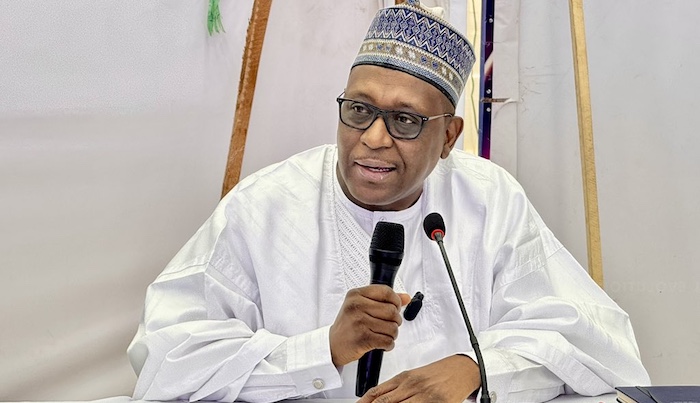
Nigeria’s federal government has rolled out a landmark initiative to broaden health insurance coverage, prioritizing access to affordable medical care for the country’s most vulnerable populations. The program, developed in collaboration with private sector partners, seeks to dismantle financial barriers that have historically excluded millions from essential health services.
With an estimated 70% of Nigerians relying on out of pocket payments for healthcare, the initiative arrives at a pivotal moment for a nation where systemic inequities in medical access persist. Officials say the expanded insurance schemes will enroll children, pregnant women, the elderly, and economically disadvantaged groups, ensuring they receive timely and quality care.
What Happened
The Nigerian government, in partnership with private sector stakeholders, has launched a national health insurance expansion initiative. The program aims to enroll millions of low income and underserved citizens into structured insurance schemes, addressing gaps in a healthcare system where out of pocket spending remains the primary payment method for most households.
Why Public Health Officials Are Concerned
Public health authorities warn that Nigeria’s reliance on out of pocket payments for healthcare perpetuates cycles of poverty and limits access to critical services. According to the World Bank, only about 30% of Nigerians have some form of health insurance, leaving the majority vulnerable to catastrophic medical expenses. The new initiative seeks to reverse this trend by integrating vulnerable groups into formal insurance frameworks, thereby improving health outcomes and reducing financial hardship.
Who May Be Affected
The initiative specifically targets children under five, pregnant women, the elderly, and low income households. These groups face disproportionate barriers to healthcare, including distance to facilities, cost of services, and lack of awareness about available programs. By prioritizing enrollment in these demographics, the government aims to address both immediate health needs and long term systemic inequities.
Government or WHO Response
Nigeria’s Federal Ministry of Health has outlined a phased rollout of the insurance expansion, with pilot programs already underway in select states. The government has also committed to increasing funding for primary healthcare centers, which will serve as the frontline providers for newly insured patients. The World Health Organization (WHO) has welcomed the initiative, noting that it aligns with global efforts to achieve universal health coverage by 2030.
Prevention and Safety Guidance
While the insurance expansion addresses financial barriers, public health experts emphasize the need for complementary measures to ensure quality care. These include strengthening healthcare infrastructure, training providers in underserved areas, and improving supply chains for essential medicines. The government has also pledged to monitor the initiative’s impact through regular assessments of enrollment rates and health outcomes.
What Readers Should Know
For Nigerians in low income households, the new insurance schemes offer a lifeline to affordable healthcare. Enrollment is expected to begin in phases, with priority given to the most vulnerable. Residents are encouraged to check with local health authorities or designated enrollment centers for eligibility and registration details. The initiative represents a significant step toward reducing health disparities, but its success will depend on sustained funding, community engagement, and robust implementation.
Key Takeaways
- Nigeria’s new health insurance expansion targets children, pregnant women, the elderly, and low income households to reduce financial barriers to care.
- Only about 30% of Nigerians currently have health insurance, leaving most reliant on out of pocket payments that can lead to financial hardship.
- The initiative aligns with global universal health coverage goals and includes funding commitments for primary healthcare infrastructure.
- Public health experts stress the need for complementary measures, such as provider training and medicine supply chain improvements, to ensure the program’s success.
Frequently Asked Questions
How will the new health insurance initiative benefit low income families in Nigeria?
The initiative aims to enroll low income households into structured insurance schemes, reducing the financial burden of medical expenses and ensuring access to timely, quality healthcare services. Priority enrollment will be given to children, pregnant women, and the elderly.
What percentage of Nigerians currently have health insurance?
According to the World Bank, approximately 30% of Nigerians have some form of health insurance, leaving the majority to rely on out of pocket payments for healthcare.
How can eligible Nigerians enroll in the new insurance schemes?
The government plans to roll out enrollment in phases, with priority given to vulnerable groups. Residents should check with local health authorities or designated enrollment centers for eligibility and registration details.
What role does the private sector play in this initiative?
Private sector stakeholders are collaborating with the government to expand insurance coverage, leveraging resources and expertise to ensure the program’s reach and sustainability.
How will the government monitor the success of this initiative?
The Federal Ministry of Health has committed to regular assessments of enrollment rates and health outcomes, alongside investments in primary healthcare infrastructure to support the newly insured.
Medical Review: MedSense Editorial Board







DISCUSSION (0)
POST A COMMENT