Executive Summary
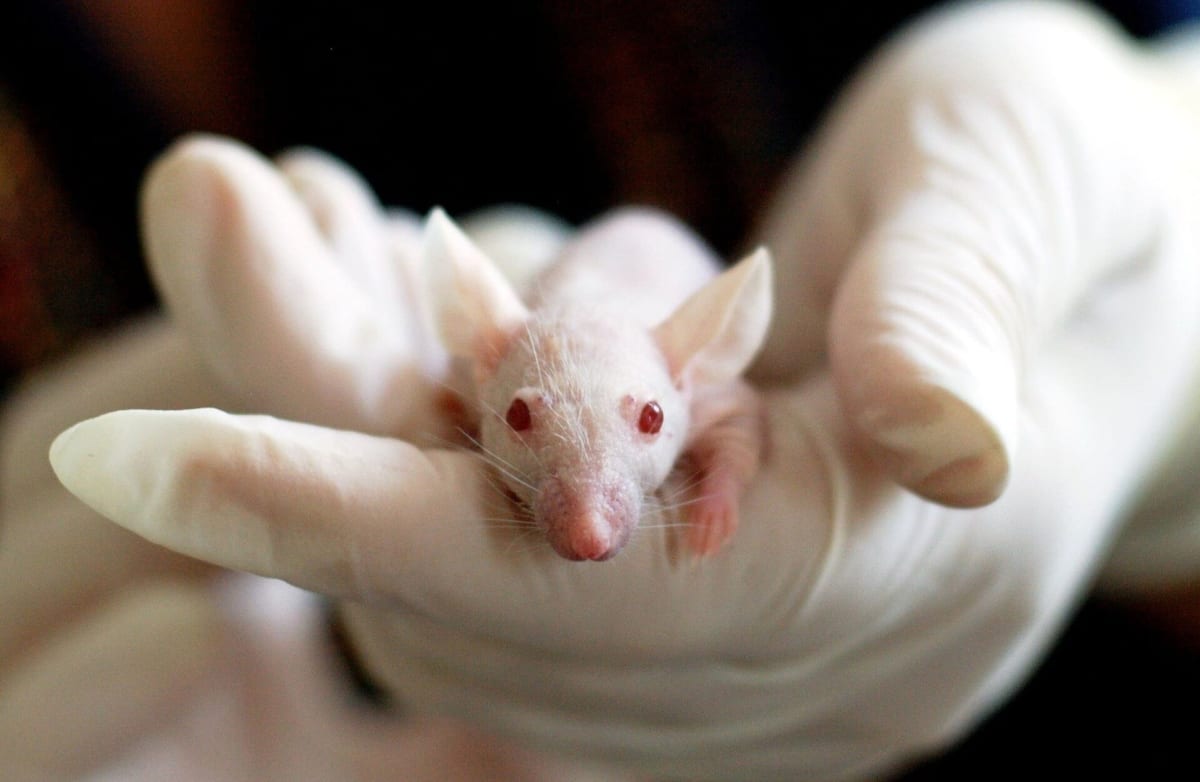
Researchers have created the first accurate mouse model of geleophysic dysplasia, a devastating genetic disorder that leads to heart failure, respiratory complications, and early death in children. Published in The American Journal of Pathology, this breakthrough enables scientists to study the disease's molecular mechanisms in real time, offering hope for accelerated drug development and potential therapies. While no cure exists yet, this model represents a critical step toward understanding and treating this rare condition.
What Happened
A team of researchers has successfully developed a mouse model that accurately replicates the severe, life-threatening symptoms of geleophysic dysplasia, a rare genetic disorder classified under mucopolysaccharidoses (MPS). The study, published in The American Journal of Pathology, provides an unprecedented opportunity to observe the disease's progression in a controlled environment, particularly focusing on its devastating impact on the heart, lungs, and skeletal system.
Geleophysic dysplasia belongs to a group of lysosomal storage disorders characterized by the abnormal accumulation of glycosaminoglycans in tissues. This buildup leads to progressive organ damage, with the heart and respiratory system being the most critically affected. Prior to this breakthrough, the absence of a reliable animal model had significantly hindered research efforts, leaving families with no targeted treatments and only supportive care options.
Clinical Significance
The creation of this mouse model is more than a scientific achievement; it is a potential lifeline for children and families affected by geleophysic dysplasia. By replicating the disease's molecular and physiological features, researchers can now test experimental therapies, screen drug candidates, and explore gene-editing approaches with greater precision. This model could serve as a platform for preclinical trials, bridging the gap between laboratory research and clinical application.
The disorder's rarity—estimated to affect fewer than 1 in 1 million live births—has historically limited funding and research focus. However, the development of this mouse model may catalyze increased investment in geleophysic dysplasia research, as it provides a tangible pathway for therapeutic innovation. For clinicians, this model offers a tool to better understand the disease's heterogeneity and tailor interventions to individual patient needs.
Deep Dive and Research Findings
The study highlights how the mouse model faithfully reproduces key features of severe geleophysic dysplasia, including cardiac valve abnormalities, restrictive lung disease, and skeletal deformities. Researchers identified specific molecular pathways disrupted by the genetic mutations responsible for the disorder, particularly those involving the ADAMTSL2 gene, which plays a critical role in extracellular matrix organization.
Using advanced imaging and biochemical analysis, the team demonstrated that the mice developed progressive thickening of heart valves, leading to impaired cardiac function. Additionally, the animals exhibited respiratory distress due to restricted lung expansion, a hallmark of the disease in humans. These findings align with clinical observations in pediatric patients, validating the model's accuracy and utility for future research.
The researchers also explored potential therapeutic targets, including enzyme replacement therapies and small-molecule drugs designed to mitigate glycosaminoglycan accumulation. While these approaches are still in early stages, the mouse model provides a critical testing ground for evaluating their efficacy and safety before advancing to human trials.
Future Outlook and Medical Implications
The implications of this research extend beyond geleophysic dysplasia. The mouse model could serve as a template for studying other mucopolysaccharidoses, including MPS types I, II, and VI, which share similar pathological mechanisms. By refining this model, scientists may uncover shared therapeutic strategies that benefit multiple rare diseases, maximizing the impact of limited research resources.
For families, the most immediate benefit is the potential for earlier and more accurate diagnoses. The ability to study the disease in real time may lead to the identification of biomarkers that could enable newborn screening or prenatal testing for geleophysic dysplasia. Such advancements would allow for earlier intervention and improved management of symptoms, even if a cure remains elusive in the near term.
Long term, the research could pave the way for gene therapy or CRISPR-based interventions aimed at correcting the underlying genetic defects. While these approaches are still experimental, the mouse model provides a crucial step toward translating laboratory discoveries into clinical reality. Collaborative efforts between academic researchers, biotech companies, and patient advocacy groups will be essential to accelerate this progress.
Patient or Practitioner Guidance
For families with a child diagnosed with geleophysic dysplasia, the journey is often marked by uncertainty and emotional strain. While there is no cure yet, understanding the disease's progression and available management strategies can improve quality of life. Parents should work closely with a multidisciplinary care team, including pediatric geneticists, cardiologists, pulmonologists, and orthopedists, to address the disorder's multisystem effects.
Key management strategies include:
- Cardiac monitoring: Regular echocardiograms to assess valve function and detect early signs of heart failure. Children with geleophysic dysplasia are at high risk for progressive valve thickening, which can lead to life-threatening complications.
- Respiratory support: Pulmonary function tests and, in severe cases, the use of noninvasive ventilation to manage breathing difficulties caused by restrictive lung disease.
- Orthopedic care: Physical therapy and surgical interventions to address skeletal deformities and improve mobility. Early intervention can help preserve joint function and reduce pain.
- Nutritional support: Monitoring for feeding difficulties and ensuring adequate caloric intake, as growth failure is a common feature of the disorder.
- Genetic counseling: Families should seek counseling to understand inheritance patterns and the risks for future pregnancies. Geleophysic dysplasia is typically inherited in an autosomal recessive manner, meaning both parents must carry a mutated gene for the child to be affected.
For clinicians, the mouse model offers a valuable tool for staying abreast of emerging research and potential therapeutic advances. Participation in clinical trials and collaboration with rare disease networks can provide access to cutting-edge treatments and improve patient outcomes. Organizations such as the National Organization for Rare Disorders (NORD) and the Rare Diseases Clinical Research Network (RDCRN) offer resources and support for both patients and healthcare providers.
What Readers Should Know
Geleophysic dysplasia is a rare but devastating disorder that primarily affects children, with symptoms often becoming apparent in infancy or early childhood. The condition is caused by mutations in genes such as ADAMTSL2, which disrupt the normal function of the extracellular matrix, leading to progressive organ damage. While the disorder is incurable at present, ongoing research offers hope for improved treatments and, ultimately, a cure.
Parents and caregivers should be vigilant for early signs of the disorder, including unexplained short stature, skeletal abnormalities, heart murmurs, and respiratory difficulties. Early diagnosis, while challenging due to the rarity of the condition, can lead to better management of symptoms and improved quality of life. Genetic testing is the gold standard for confirming a diagnosis, and families with a history of the disorder should consider prenatal testing in future pregnancies.
The development of the mouse model is a testament to the power of biomedical research and the importance of investing in rare disease studies. While the road to a cure is long, each scientific breakthrough brings us one step closer to transforming the lives of children and families affected by geleophysic dysplasia.
Key Takeaways
- A novel mouse model of geleophysic dysplasia accurately replicates the disease's severe symptoms, enabling real-time study of its molecular mechanisms.
- The model provides a critical tool for testing potential therapies, including enzyme replacement and gene-editing approaches, before human trials.
- Geleophysic dysplasia is caused by mutations in genes like ADAMTSL2, leading to progressive glycosaminoglycan accumulation and organ damage.
- Early diagnosis through genetic testing is essential for managing symptoms and improving quality of life in affected children.
- Families should seek multidisciplinary care, including cardiac, respiratory, and orthopedic support, to address the disorder's multisystem effects.
- Collaboration between researchers, clinicians, and patient advocacy groups is vital to accelerate therapeutic development for rare diseases.
Frequently Asked Questions
What is geleophysic dysplasia, and how is it inherited?
Geleophysic dysplasia is a rare genetic disorder characterized by progressive damage to the heart, lungs, and skeleton, leading to short stature, heart valve defects, respiratory complications, and early mortality. It is typically inherited in an autosomal recessive manner, meaning a child must inherit two copies of the mutated gene—one from each parent—to develop the disorder.
How does the new mouse model help in researching geleophysic dysplasia?
The mouse model faithfully replicates the molecular and physiological features of severe geleophysic dysplasia, including heart valve thickening, restrictive lung disease, and skeletal deformities. This allows researchers to study the disease's progression in real time, test potential therapies, and explore gene-editing approaches with greater precision.
Are there any treatments available for geleophysic dysplasia?
Currently, there is no cure for geleophysic dysplasia, and treatment focuses on managing symptoms and improving quality of life. This includes cardiac monitoring, respiratory support, orthopedic care, and nutritional support. However, the new mouse model offers hope for accelerated drug development and potential therapies in the future.
What are the early signs of geleophysic dysplasia in children?
Early signs may include unexplained short stature, skeletal abnormalities such as joint stiffness or deformities, heart murmurs, and respiratory difficulties. Facial features may also appear coarse or distinctive. Genetic testing is the gold standard for confirming a diagnosis.
How can families affected by geleophysic dysplasia access support and resources?
Organizations such as the National Organization for Rare Disorders (NORD) and the Rare Diseases Clinical Research Network (RDCRN) provide resources, support, and access to clinical trials for families affected by geleophysic dysplasia. Working with a multidisciplinary care team is also essential for managing the disorder's multisystem effects.
Medical Review: MedSense Editorial Board

















DISCUSSION (0)
POST A COMMENT