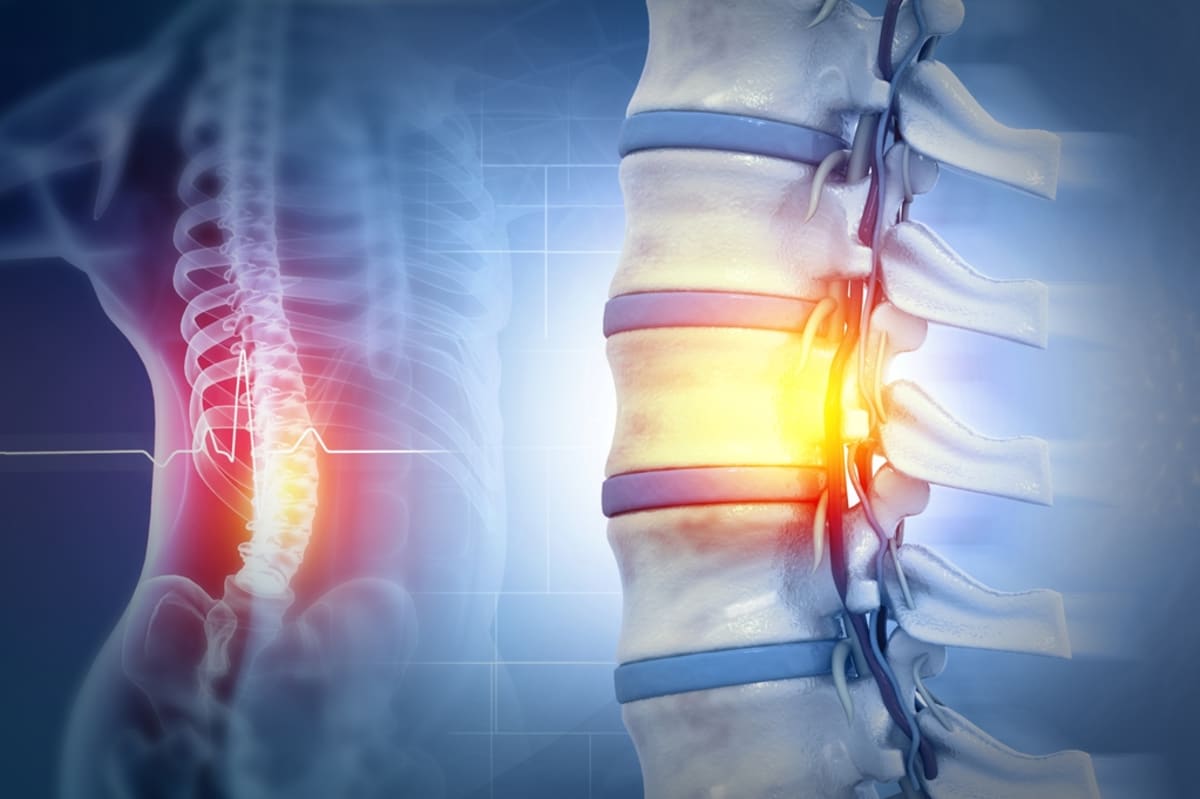
For individuals living with spinal cord injury, hypotension, dangerously low blood pressure, often goes unnoticed until symptoms become severe. Traditional diagnostic methods, such as head up tilt testing, are not only resource intensive but also carry safety risks, limiting their use in routine care. Now, a new study published in *npj Digital Medicine* offers a promising solution: the validation of a patient reported outcome measure designed to track hypotension symptoms in real time. This tool could transform how clinicians monitor and manage blood pressure instability in spinal cord injury patients, particularly in remote or underserved settings.
Clinical Significance
The study addresses a critical gap in spinal cord injury care: the lack of scalable, patient centered tools to monitor hypotension, a common and potentially debilitating complication. Hypotension in spinal cord injury is linked to reduced quality of life, increased fatigue, and higher risk of secondary health issues. Current diagnostic methods rely on clinical assessments that are impractical for widespread use, leaving many patients without adequate monitoring. The validation of the ADFSCI hypotension symptom domain provides a low cost, accessible alternative that empowers patients to report symptoms as they occur.
Deep Dive and Research Findings
The research team, led by scientists at the University of Calgary and international collaborators, evaluated the Autonomic Dysfunction Following Spinal Cord Injury (ADFSCI) questionnaire’s hypotension symptom domain. The study confirmed its validity by demonstrating that higher symptom scores correlated with physiologically confirmed orthostatic hypotension, a condition where blood pressure drops dangerously upon standing. Key symptoms, such as blurred vision, light headedness, fatigue, weakness, and dizziness, were strongly associated with blood pressure declines, reinforcing the tool’s clinical relevance.
The team also analyzed a global dataset of patient reported ADFSCI responses, revealing patterns in symptom burden. Women and individuals with higher level neurological injuries reported more severe symptoms, highlighting populations that may benefit most from targeted interventions. The tool’s ability to capture symptom frequency, severity, and contextual triggers further enhances its utility for both clinical and research applications.
Future Outlook and Medical Implications
The validation of the ADFSCI hypotension domain marks a significant step toward integrating patient reported outcomes into spinal cord injury care. Unlike traditional diagnostic methods, this tool can be administered remotely, reducing the need for in person assessments and expanding access to monitoring for patients in rural or resource limited settings. Its scalability also makes it valuable for large scale research, enabling population level insights into hypotension trends and treatment efficacy.
Looking ahead, the tool could be integrated into digital health platforms, allowing clinicians to track symptoms in real time and intervene before complications arise. Future studies may explore its use in guiding personalized treatment plans, such as adjusting medication regimens or recommending lifestyle modifications based on symptom patterns.
Patient or Practitioner Guidance
For patients with spinal cord injury, the ADFSCI hypotension domain offers a practical way to communicate symptoms to healthcare providers. Patients experiencing frequent dizziness, fatigue, or blurred vision should discuss these findings with their care team, as they may indicate underlying blood pressure instability. Early reporting can lead to timely interventions, such as fluid management strategies or medication adjustments, to improve daily functioning and reduce risks.
For clinicians, the tool provides a standardized method to assess hypotension symptoms without relying on complex diagnostic equipment. It can be particularly useful in telemedicine consultations, where in person assessments are not feasible. Practitioners should consider incorporating the ADFSCI questionnaire into routine follow ups for spinal cord injury patients, especially those with higher level injuries or a history of blood pressure fluctuations.
Key Takeaways
- The ADFSCI hypotension symptom domain is a validated, patient reported tool for monitoring blood pressure instability in spinal cord injury.
- Higher symptom scores correlate with physiologically confirmed orthostatic hypotension, particularly in women and individuals with higher level neurological injuries.
- The tool enables remote monitoring, reducing reliance on resource intensive clinical assessments and improving access to care.
- Symptoms like blurred vision, light headedness, fatigue, weakness, and dizziness are strongly linked to blood pressure declines and should prompt medical evaluation.
Frequently Asked Questions
What is the ADFSCI hypotension symptom domain?
The ADFSCI hypotension symptom domain is a section of the Autonomic Dysfunction Following Spinal Cord Injury questionnaire designed to capture patient reported symptoms of low blood pressure, such as dizziness, fatigue, and blurred vision. It has been validated as a reliable tool for assessing hypotension in spinal cord injury patients.
Why is hypotension a concern for spinal cord injury patients?
Hypotension is common in spinal cord injury due to disrupted autonomic nervous system function, which regulates blood pressure. It can lead to reduced quality of life, increased fatigue, and higher risks of falls or secondary health complications. Early detection and management are critical to improving patient outcomes.
How does this tool improve care for spinal cord injury patients?
The ADFSCI hypotension domain allows patients to report symptoms remotely, reducing the need for in person diagnostic tests like head up tilt testing. This makes monitoring more accessible, especially for those in rural or underserved areas, and enables timely interventions to manage blood pressure instability.
Who is most at risk for severe hypotension symptoms?
The study found that women and individuals with higher level neurological injuries reported more severe hypotension symptoms. These groups may benefit from closer monitoring and targeted interventions to manage blood pressure fluctuations.
Can this tool be used in telemedicine?
Yes, the ADFSCI hypotension domain is well suited for telemedicine. It provides a standardized way for patients to report symptoms during virtual consultations, allowing clinicians to assess blood pressure instability without requiring in person assessments.
Medical Review: MedSense Editorial Board





















DISCUSSION (0)
POST A COMMENT