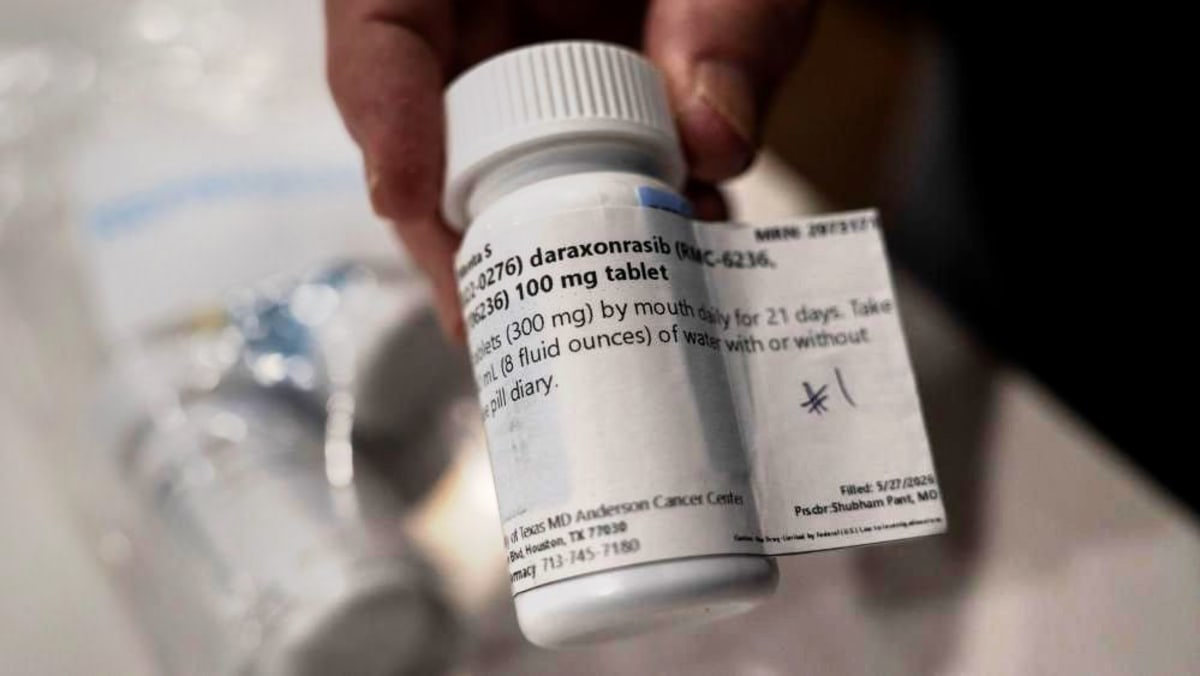
A once daily pill has delivered a rare glimmer of hope for patients battling advanced pancreatic cancer, nearly doubling survival time in a landmark international trial. The drug, daraxonrasib, targets the KRAS gene mutation present in over 90% of pancreatic tumors, a genetic driver long considered undruggable. With pancreatic cancer ranking as the deadliest of all major cancers, the results mark one of the most significant treatment advances in decades for a disease that claims thousands of lives each year with few effective options.
Clinical Significance
Pancreatic cancer remains one of the most challenging malignancies to treat, with a five year survival rate of just 12% in the United States and even lower figures in many other countries. The disease is often diagnosed at an advanced stage, when treatment options are limited and prognosis is poor. Daraxonrasib’s ability to extend median survival from 6.6 months with standard chemotherapy to 13.2 months represents a substantial clinical breakthrough, particularly for patients with KRAS mutated tumors, which account for the vast majority of cases.
Deep Dive and Research Findings
The phase 3 trial, presented at the American Society of Clinical Oncology annual meeting in Chicago, involved 500 patients across North America, Europe, and Asia. Participants were randomly assigned to receive either daraxonrasib or standard chemotherapy. The drug works by inhibiting the mutated KRAS gene, a key driver of tumor growth and metastasis in pancreatic cancer. Unlike chemotherapy, which often comes with debilitating side effects, daraxonrasib demonstrated a more favorable safety profile, with severe adverse effects reported in 43.6% of patients compared to 57.5% in the chemotherapy group.
Rachna Shroff, chief of the division of hematology and oncology at the University of Arizona Cancer Center, described the results as "landscape changing" for patients with metastatic pancreatic cancer harboring KRAS mutations. The trial’s findings underscore the potential of precision medicine in addressing one of oncology’s most stubborn foes.
Future Outlook and Medical Implications
The success of daraxonrasib could pave the way for a new standard of care in pancreatic cancer, particularly for patients with KRAS mutations. However, challenges remain, including ensuring equitable access to the drug and integrating it into existing treatment protocols. Anna Jewell, director of services, research, and innovation at Pancreatic Cancer UK, emphasized the urgency of making promising new treatments available in the UK, stating, "More time with those we love most is truly priceless."
Researchers are also exploring combination therapies that could further enhance daraxonrasib’s efficacy, including pairing it with immunotherapy or other targeted agents. The drug’s oral formulation offers an additional advantage, improving quality of life for patients who would otherwise require frequent hospital visits for intravenous chemotherapy.
Patient or Practitioner Guidance
For patients with advanced pancreatic cancer, particularly those with KRAS mutations, daraxonrasib represents a potential new treatment option that could extend survival while reducing side effects. Early diagnosis remains critical, as pancreatic cancer symptoms, such as jaundice, unexplained weight loss, and persistent fatigue, often appear late and can be mistaken for other conditions. Patients and caregivers should discuss genetic testing and emerging therapies with their oncologists to determine the best course of action.
Healthcare providers are encouraged to stay informed about the latest developments in pancreatic cancer treatment, as the rapid pace of research may soon introduce additional options for this hard to treat disease. Clinicians should also prioritize discussions about clinical trial participation, which can provide access to cutting edge therapies like daraxonrasib.
Key Takeaways
- Daraxonrasib nearly doubled median survival time for advanced pancreatic cancer patients with KRAS mutations, from 6.6 months with chemotherapy to 13.2 months.
- The drug targets the KRAS gene mutation, present in over 90% of pancreatic tumors, and has a more favorable side effect profile than standard chemotherapy.
- Early diagnosis remains critical, as pancreatic cancer symptoms often appear late and can be mistaken for other conditions.
- The trial’s results could lead to a new standard of care, but equitable access and integration into treatment protocols remain key challenges.
Frequently Asked Questions
What is daraxonrasib, and how does it work?
Daraxonrasib is an oral drug that targets the mutated KRAS gene, which drives tumor growth in over 90% of pancreatic cancer cases. By inhibiting this gene, the drug helps slow or stop the spread of cancer.
Who is eligible for daraxonrasib treatment?
The drug is currently being studied for patients with advanced pancreatic cancer who have KRAS mutations. Eligibility may expand as more research is conducted, but patients should consult their oncologists to determine if it is an appropriate option.
What are the side effects of daraxonrasib compared to chemotherapy?
In the trial, daraxonrasib caused fewer severe side effects than chemotherapy. Only 43.6% of patients on daraxonrasib experienced severe adverse effects, compared to 57.5% of those on chemotherapy.
How soon could daraxonrasib become widely available?
The drug is still undergoing clinical trials and regulatory review. While the results are promising, it may take time before it receives approval and becomes accessible to patients outside of clinical studies.
What are the early signs of pancreatic cancer?
Symptoms may include jaundice, itchy skin, darker urine, pale stools, unexplained weight loss, fatigue, and fever. Because these signs often appear late, regular check ups and discussions with a doctor are important, especially for those at higher risk.
Medical Review: MedSense Editorial Board







DISCUSSION (0)
POST A COMMENT