
Clinical Significance
Pancreatic cancer remains one of the most challenging malignancies to treat, with a five year survival rate hovering around 12%. The disease is often diagnosed at an advanced stage, leaving patients with few effective therapeutic options. In this context, any new treatment that shows even modest promise can generate significant attention and hope. However, when experimental therapies are promoted with optimistic claims that outpace clinical validation, the consequences extend beyond investor confidence. Patients and families facing a devastating diagnosis may make critical treatment decisions based on incomplete or exaggerated information, potentially delaying access to more established care.
Deep Dive and Research Findings
According to a recent investigative report by STAT, Soon Shiong’s flagship pancreatic cancer drug, Nant Cancer Vaccine, has been the subject of repeated assertions about its transformative potential. Public statements and media appearances have suggested breakthrough efficacy, including claims of extended survival and even cures in some patients. Yet, independent reviews of clinical trial data and regulatory filings reveal a more nuanced picture. While some early phase studies have shown signs of biological activity, the drug has not yet demonstrated statistically significant improvements in overall survival or progression free survival in larger, randomized trials.
The discrepancy between public messaging and clinical evidence has drawn criticism from oncologists and researchers. Dr. Vinay Prasad, a hematologist oncologist and associate professor at the University of California, San Francisco, has been vocal about the risks of overpromising in oncology. "When drug developers make claims that are not supported by robust data, it erodes trust in the entire field," he noted in a recent commentary. "Patients deserve transparency, especially when they are making life altering decisions about their care."
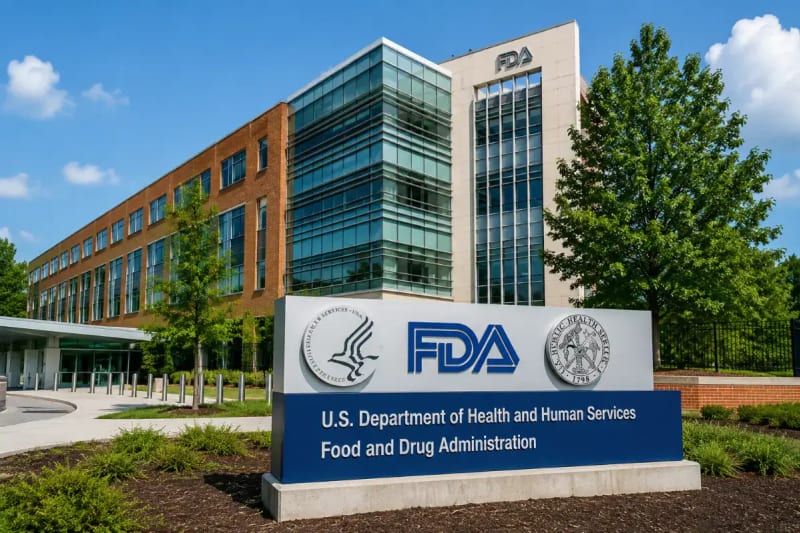
Soon Shiong’s company, NantKwest, has defended its approach, arguing that the complexity of pancreatic cancer requires innovative strategies and that early signals of efficacy warrant further investigation. However, the lack of peer reviewed data published in high impact journals has left many in the medical community skeptical. The U.S. Food and Drug Administration has not approved Nant Cancer Vaccine for any indication, and the drug remains in mid stage clinical development.
Future Outlook and Medical Implications
The controversy surrounding Soon Shiong’s pancreatic cancer program underscores broader challenges in oncology drug development. The pressure to deliver breakthrough therapies, combined with the urgency of unmet medical needs, can create an environment where hype outpaces science. For pancreatic cancer, where standard treatments like chemotherapy and radiation offer limited benefits, the stakes are particularly high. Patients and clinicians alike are desperate for progress, but that desperation must be balanced with rigorous scientific scrutiny.
Regulatory agencies, including the FDA, play a critical role in ensuring that drug approvals are based on solid evidence. However, the agency has faced criticism for its accelerated approval pathways, which allow drugs to reach the market based on surrogate endpoints rather than definitive clinical benefits. While these pathways can expedite access to promising therapies, they also risk approving treatments that ultimately fail to deliver meaningful improvements in survival or quality of life.
Patient or Practitioner Guidance
For patients diagnosed with pancreatic cancer, navigating treatment options can be overwhelming. The allure of experimental therapies, particularly those promoted with optimistic claims, can be difficult to resist. However, experts urge caution. Patients should seek care from multidisciplinary teams at accredited cancer centers, where treatment decisions are guided by the latest evidence and clinical guidelines. Participation in clinical trials can offer access to cutting edge therapies, but it is essential to understand the potential risks and benefits, as well as the current stage of research.
Clinicians, too, have a responsibility to provide balanced, evidence based guidance. While it is important to remain hopeful about emerging therapies, oncologists must communicate the limitations of early phase data and the uncertainties inherent in experimental treatments. Shared decision making, where patients and providers collaborate to weigh the pros and cons of each option, is critical in ensuring that care aligns with the patient’s values and goals.
For those considering Soon Shiong’s Nant Cancer Vaccine or similar experimental treatments, the following steps are recommended:
- Consult with a medical oncologist who specializes in pancreatic cancer to discuss all available treatment options, including standard therapies and clinical trials.
- Request detailed information about the clinical trial, including the phase of the study, the number of participants, and the primary endpoints being measured.
- Ask about the drug’s mechanism of action, potential side effects, and any published data from previous trials.
- Seek a second opinion from an independent expert, particularly if the treatment is being offered outside of a formal clinical trial setting.
- Be wary of treatments that are promoted with anecdotal success stories or claims that sound too good to be true. Reliable therapies are supported by peer reviewed research and regulatory oversight.
Key Takeaways
- There is a significant gap between the public claims made about Patrick Soon Shiong’s pancreatic cancer drug and the clinical evidence supporting its efficacy.
- Pancreatic cancer remains a highly lethal disease with limited treatment options, making patients particularly vulnerable to exaggerated claims about experimental therapies.
- Patients and clinicians should approach experimental treatments with caution, prioritizing evidence based care and shared decision making.
- Regulatory oversight and peer reviewed research are critical to ensuring that new therapies deliver meaningful benefits to patients.
Frequently Asked Questions
What is the current standard of care for pancreatic cancer?
The standard of care for pancreatic cancer typically includes surgery, chemotherapy, and radiation therapy, depending on the stage of the disease. For advanced or metastatic pancreatic cancer, chemotherapy regimens such as FOLFIRINOX or gemcitabine plus nab paclitaxel are commonly used. Clinical trials may also be an option for eligible patients.
What is Nant Cancer Vaccine, and how does it work?
Nant Cancer Vaccine is an experimental immunotherapy developed by NantKwest, a company founded by Patrick Soon Shiong. The treatment is designed to stimulate the patient’s immune system to recognize and attack cancer cells. It is currently being evaluated in clinical trials for pancreatic cancer and other malignancies, but it has not yet received regulatory approval.
Why is there skepticism about Soon Shiong’s claims?
Skepticism stems from the lack of published, peer reviewed data demonstrating the drug’s efficacy in large, randomized clinical trials. While early phase studies may show biological activity, they do not provide definitive evidence of clinical benefit. Public statements about the drug’s potential have often outpaced the available scientific evidence, leading to concerns about overpromising.
What should patients consider before enrolling in a clinical trial?
Patients should consider the phase of the trial, the number of participants, the primary endpoints being measured, and the potential risks and benefits. It is also important to discuss the trial with their oncologist and seek a second opinion. Patients should ensure they fully understand the experimental nature of the treatment and the uncertainties involved.
How can patients verify the legitimacy of an experimental treatment?
Patients can verify the legitimacy of an experimental treatment by checking whether it is being studied in a registered clinical trial on platforms like ClinicalTrials.gov. They should also look for peer reviewed publications in reputable medical journals and consult with their healthcare provider. Treatments promoted with anecdotal success stories or lacking regulatory oversight should be approached with caution.
Medical Review: MedSense Editorial Board






DISCUSSION (0)
POST A COMMENT