
What Happened
Researchers and clinicians are investigating whether significantly reduced doses of immunotherapy drugs could provide a viable treatment option for cancer patients in low and middle income countries. The strategy involves administering as little as one tenth of the standard dose, potentially cutting costs by 90% while maintaining therapeutic benefits. Early observations and small scale studies have shown promising results, though large scale clinical trials are needed to confirm long term effectiveness.
Why Public Health Officials Are Concerned
Global cancer disparities remain stark. According to the World Health Organization, nearly 70% of cancer deaths occur in low and middle income countries, where access to advanced treatments is severely limited. Immunotherapy, which harnesses the body’s immune system to fight cancer, has revolutionized care in high income nations but remains largely unavailable in resource constrained settings due to its high cost. A single course of treatment can exceed $100,000, placing it far beyond the reach of most public health systems in poorer nations.
The ultra low dose approach could help address this imbalance by dramatically reducing financial barriers. However, public health officials caution that cost alone should not drive treatment decisions. Concerns include the need for rigorous evidence to ensure safety and efficacy, as well as the potential for suboptimal dosing to accelerate drug resistance or compromise outcomes. There is also the challenge of integrating such treatments into existing healthcare infrastructure, which may lack the diagnostic and monitoring tools needed to support precision oncology.
Who May Be Affected
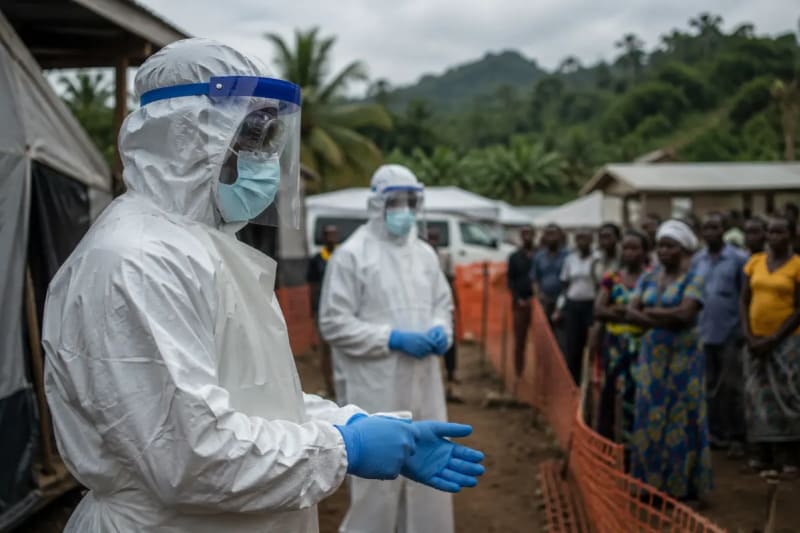
This development could have the greatest impact on patients in sub Saharan Africa, South Asia, and parts of Latin America, where cancer incidence is rising rapidly but treatment options remain limited. In these regions, late stage diagnoses are common, and many patients receive no treatment at all. Low dose immunotherapy could offer a middle ground, providing access to modern therapies without the prohibitive costs that currently restrict their use.
Healthcare providers in these settings may also benefit, as lower costs could enable more widespread adoption of immunotherapy in public hospitals and clinics. However, the approach would require additional training for oncologists and nurses, as well as investments in basic infrastructure to ensure safe administration and monitoring of treatment.
Prevention and Safety Guidance
While the potential of low dose immunotherapy is compelling, experts emphasize that it should not be viewed as a substitute for comprehensive cancer care. Prevention remains the most effective strategy for reducing cancer burden in low resource settings. This includes vaccination programs (such as HPV and hepatitis B vaccines), tobacco control measures, and public health campaigns to promote early detection through screening.
For patients and families considering low dose immunotherapy, key safety considerations include:
- Ensuring treatment is administered under the supervision of a qualified oncologist, even in reduced doses.
- Monitoring for side effects, which can still occur and may require medical intervention.
- Understanding that not all cancers respond to immunotherapy, and eligibility should be determined through proper diagnostic testing.
- Seeking care at facilities equipped with basic supportive care, such as pain management and infection control.
What Readers Should Know
The exploration of low dose immunotherapy is still in its early stages, and widespread adoption is likely years away. However, the initiative reflects a broader shift in global oncology toward finding innovative, cost effective solutions to address health inequities. For patients in low income countries, this could mean the difference between receiving no treatment and accessing life extending therapies.
Patients and caregivers should:
- Consult with local oncologists to understand whether low dose immunotherapy is available or being studied in their region.
- Advocate for expanded access to cancer diagnostics and supportive care, which are essential for any treatment to be effective.
- Stay informed about clinical trials or pilot programs that may be testing this approach in their country.
- Support public health efforts to improve cancer prevention and early detection, which remain the most impactful ways to reduce mortality.
For policymakers and global health organizations, the challenge lies in balancing innovation with equity. While low dose immunotherapy offers a promising tool, it must be part of a larger strategy that includes strengthening healthcare systems, improving access to diagnostics, and investing in cancer research tailored to the needs of low resource settings.
Key Takeaways
- Ultra low doses of immunotherapy could reduce treatment costs by up to 90%, potentially expanding access in low and middle income countries.
- Early observations suggest reduced doses may retain therapeutic benefits, but large scale clinical trials are needed to confirm long term efficacy and safety.
- Global cancer disparities remain severe, with 70% of cancer deaths occurring in low and middle income countries where advanced treatments are often unavailable.
- Low dose immunotherapy should complement, not replace, comprehensive cancer care, including prevention, early detection, and supportive care infrastructure.
- Patients and policymakers must advocate for equitable access to diagnostics and treatment monitoring to ensure the safe and effective use of any cancer therapy.
Frequently Asked Questions
What is immunotherapy, and how does it work?
Immunotherapy is a type of cancer treatment that helps the body’s immune system recognize and attack cancer cells. Unlike chemotherapy, which directly kills cancer cells, immunotherapy enhances the immune response, enabling it to target tumors more effectively. Common types include checkpoint inhibitors, CAR T cell therapy, and cancer vaccines.
Why is immunotherapy so expensive?
The high cost of immunotherapy stems from several factors, including the complexity of drug development, patent protections, and the need for specialized manufacturing. Many immunotherapy drugs are biologics, which are more expensive to produce than traditional small molecule drugs. Additionally, the lack of competition in the market allows manufacturers to set high prices.
Are there risks associated with low dose immunotherapy?
While lower doses may reduce side effects, risks remain. These can include immune related adverse events, such as inflammation of healthy organs, as well as the potential for reduced efficacy. Patients should only receive low dose immunotherapy under the supervision of a qualified oncologist and in settings where side effects can be managed.
How can patients in low income countries access low dose immunotherapy?
Access will depend on local healthcare infrastructure, regulatory approvals, and the availability of clinical trials or pilot programs. Patients should consult with oncologists in their region to explore options. Some global health organizations and nonprofits may also provide support for accessing experimental or low cost treatments.
What other strategies are being used to improve cancer care in low resource settings?
Beyond low dose therapies, strategies include task shifting (training non specialist healthcare workers to deliver basic cancer care), telemedicine for remote consultations, and partnerships with international organizations to provide drugs at reduced costs. Prevention and early detection programs, such as HPV vaccination and breast cancer screening, are also critical.
Medical Review: MedSense Editorial Board


















DISCUSSION (0)
POST A COMMENT