What Happened
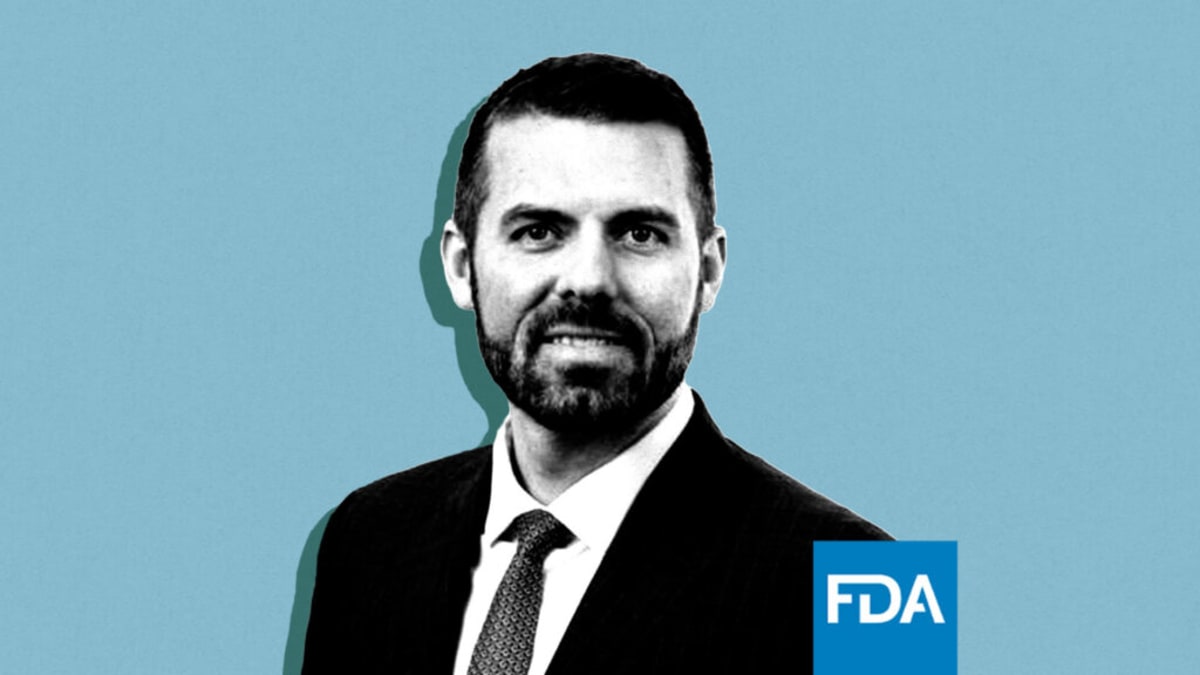
Kyle Diamantas assumed the role of Deputy Commissioner for Food Policy and Response at the FDA in early 2025, a position overseeing the regulation of nearly 80% of the U.S. food supply. His appointment came at a time when the agency faced mounting pressure to modernize its food safety framework, particularly in response to emerging threats like foodborne pathogens, supply chain vulnerabilities, and the rapid expansion of novel food technologies. Unlike his predecessors, many of whom had backgrounds in public health, toxicology, or federal administration, Diamantas brought a legal perspective shaped by years of private practice in Florida, where he specialized in food industry compliance and litigation.
Why Public Health Officials Are Concerned
Diamantas’ rise to leadership raised eyebrows for several reasons. The FDA’s food safety division operates at the intersection of science, policy, and industry interests, requiring a delicate balance between innovation and consumer protection. Critics questioned whether an attorney with no direct experience in epidemiology or food science could effectively navigate these complexities. Early concerns centered on potential shifts in enforcement priorities, particularly the agency’s approach to inspections, recalls, and the approval of new food additives. Some public health advocates warned that a legalistic focus might prioritize procedural compliance over proactive risk mitigation, potentially leaving gaps in outbreak prevention or response.
However, Diamantas’ supporters argued that his outsider status could be an asset. His legal background, they noted, provided a fresh lens for addressing regulatory bottlenecks, particularly in areas where the FDA had struggled to keep pace with industry innovation. His early actions suggested a willingness to streamline processes, such as expediting reviews for food safety technologies or clarifying guidance for emerging sectors like cell cultured meat. These moves were seen as efforts to reduce ambiguity for businesses while maintaining rigorous safety standards.
Who May Be Affected
The impact of Diamantas’ leadership extends across multiple stakeholders. For consumers, his policies influence the safety and labeling of everyday products, from packaged foods to dietary supplements. Food manufacturers, particularly small and mid sized businesses, have had to adapt to evolving compliance requirements, some of which have aimed to reduce bureaucratic hurdles while tightening oversight in high risk areas. Public health agencies, including the CDC and state health departments, have also felt the ripple effects, as changes in FDA enforcement priorities can alter the landscape of foodborne illness surveillance and response.
Perhaps most notably, Diamantas’ tenure has sparked broader conversations about the role of the FDA itself. His emphasis on legal clarity and industry collaboration has reignited debates over whether the agency should function primarily as a regulator, a partner to industry, or a hybrid of both. These discussions have implications for future leadership appointments and the agency’s long term direction.
Government or WHO Response
While the FDA operates independently, its policies are closely monitored by other federal agencies, including the USDA and the Department of Health and Human Services. Diamantas’ approach has drawn both praise and scrutiny from lawmakers, with some congressional committees requesting reviews of his initiatives to assess their impact on public health outcomes. Internationally, organizations like the World Health Organization and the Codex Alimentarius Commission have observed the FDA’s shifts in food safety regulation, particularly as they relate to global trade standards and harmonization efforts.
No formal statements from the WHO or other global bodies have directly addressed Diamantas’ leadership, but his policies have contributed to ongoing dialogues about the need for adaptive regulatory frameworks in an era of rapid food system transformation. For example, his support for risk based inspection models has aligned with broader international trends, though some experts caution that such approaches must be carefully calibrated to avoid overlooking systemic vulnerabilities.
Prevention and Safety Guidance
For consumers, the core message remains unchanged: vigilance in food handling and awareness of recall notices are critical to reducing foodborne illness risks. The FDA continues to recommend standard safety practices, such as proper handwashing, cooking foods to recommended temperatures, and staying informed about outbreaks through the agency’s Food Safety website. Diamantas’ tenure has also emphasized the importance of clear labeling, particularly for allergens and novel ingredients, which can help consumers make informed choices.
For industry stakeholders, the FDA has provided updated guidance on compliance with the Food Safety Modernization Act (FSMA), including resources for small businesses navigating new requirements. Diamantas has encouraged companies to proactively engage with the agency early in the product development process, particularly for innovative foods, to ensure smoother regulatory pathways.
What Readers Should Know
Diamantas’ story is more than a narrative of an unexpected appointment; it reflects broader tensions in how the U.S. regulates its food supply. His leadership underscores the challenges of balancing innovation with safety, transparency with efficiency, and industry collaboration with regulatory independence. While his approach has not been without controversy, it has forced a reckoning with longstanding assumptions about what kind of expertise is needed to lead the FDA’s food safety efforts.
For those following food policy, his tenure offers a reminder that leadership in public health is not solely the domain of scientists or career bureaucrats. Legal and industry perspectives can bring valuable insights, provided they are grounded in a commitment to protecting consumers. As the FDA continues to evolve under his guidance, the ultimate measure of success will be whether his policies lead to tangible improvements in food safety outcomes, fewer outbreaks, clearer labels, and a regulatory system that keeps pace with a rapidly changing food landscape.
Key Takeaways
- Kyle Diamantas’ appointment as the FDA’s top food official in 2025 marked a departure from traditional leadership backgrounds, bringing a legal perspective to food safety regulation.
- His tenure has sparked debate over the balance between regulatory rigor and industry collaboration, with implications for consumers, businesses, and public health agencies.
- Diamantas’ policies have emphasized legal clarity, streamlined processes for innovative foods, and risk based inspection models, aligning with broader international trends.
- Consumers should remain vigilant about food safety practices, while industry stakeholders are encouraged to engage early with the FDA on compliance and product development.
- His leadership highlights the evolving nature of public health regulation, where diverse expertise can drive change but must be anchored in a commitment to consumer protection.
Frequently Asked Questions
What is Kyle Diamantas’ background, and how did he become the FDA’s top food official?
Kyle Diamantas is a Florida attorney with a background in food industry compliance and litigation. He was appointed as the FDA’s Deputy Commissioner for Food Policy and Response in 2025 by the Trump administration, despite having no prior federal regulatory experience. His legal expertise and outsider perspective were seen as assets in modernizing the agency’s food safety framework.
How has Diamantas’ leadership changed the FDA’s approach to food safety?
Diamantas has focused on streamlining regulatory processes, particularly for innovative foods like cell cultured meat, and clarifying guidance for businesses. He has also emphasized risk based inspection models and legal clarity in enforcement. Critics argue that his approach may prioritize procedural compliance over proactive risk mitigation, while supporters believe it reduces bureaucratic hurdles for industry.
What are the main concerns about his appointment?
Public health advocates initially questioned whether an attorney without direct experience in food science or epidemiology could effectively lead the FDA’s food safety division. Concerns included potential gaps in outbreak prevention, shifts in enforcement priorities, and the balance between industry collaboration and regulatory independence.
How does Diamantas’ leadership affect consumers?
Consumers may see clearer labeling for allergens and novel ingredients, as well as continued emphasis on food safety practices like proper cooking and handwashing. His policies aim to reduce ambiguity in food regulation, which could lead to safer products, but vigilance in monitoring recall notices remains critical.
What is the broader significance of his tenure?
Diamantas’ leadership reflects broader debates about the role of the FDA and the kind of expertise needed to regulate the food supply. His tenure has challenged traditional assumptions about public health leadership, highlighting the potential value of legal and industry perspectives, provided they are balanced with a commitment to consumer protection.
Medical Review: MedSense Editorial Board




















DISCUSSION (0)
POST A COMMENT