
What Happened
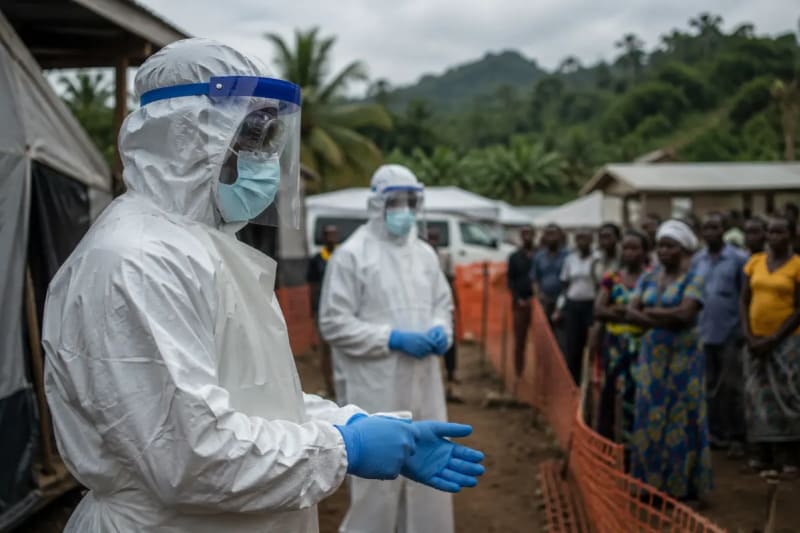
A Kenyan court granted an injunction suspending the U.S. government’s plan to construct a quarantine facility in Kenya designed to isolate American citizens who may have been exposed to Sudan ebolavirus in the Democratic Republic of Congo. The decision came after local advocacy groups and legal representatives argued that the project lacked proper public consultation and regulatory approval. While the U.S. has not disclosed the exact location or operational details of the facility, the proposal was reportedly part of a broader effort to protect American aid workers, diplomats, and military personnel deployed in the region.
Why Public Health Officials Are Concerned
Sudan ebolavirus, one of six known species in the Ebola virus family, has reemerged in Congo’s North Kivu province after nearly a decade of absence. Unlike the more widely studied Zaire ebolavirus, which has approved vaccines and treatments, Sudan ebolavirus remains without licensed medical countermeasures. The World Health Organization has classified the current outbreak as a high risk for regional spread, particularly given the porous borders and frequent cross border movement between Congo, Uganda, Rwanda, and South Sudan. A quarantine facility in Kenya, a regional hub for international travel and humanitarian operations, could theoretically reduce the risk of transnational transmission. However, public health experts caution that such facilities must be implemented with transparency, community engagement, and adherence to international health regulations to avoid undermining trust in local health systems.
Who May Be Affected
The immediate impact of the court’s decision falls on U.S. government personnel, including health workers, security contractors, and diplomatic staff operating in eastern Congo. Without a designated quarantine site, exposed individuals may face logistical challenges in securing safe isolation, potentially increasing the risk of delayed care or unintended exposure to others. For Kenyan citizens, the suspension reflects broader anxieties about foreign led health interventions, particularly in the wake of historical controversies surrounding clinical trials and emergency response operations on African soil. The ruling also places pressure on regional governments to clarify their own epidemic preparedness plans, as the absence of a coordinated quarantine strategy could leave neighboring countries vulnerable to imported cases.
Government and WHO Response
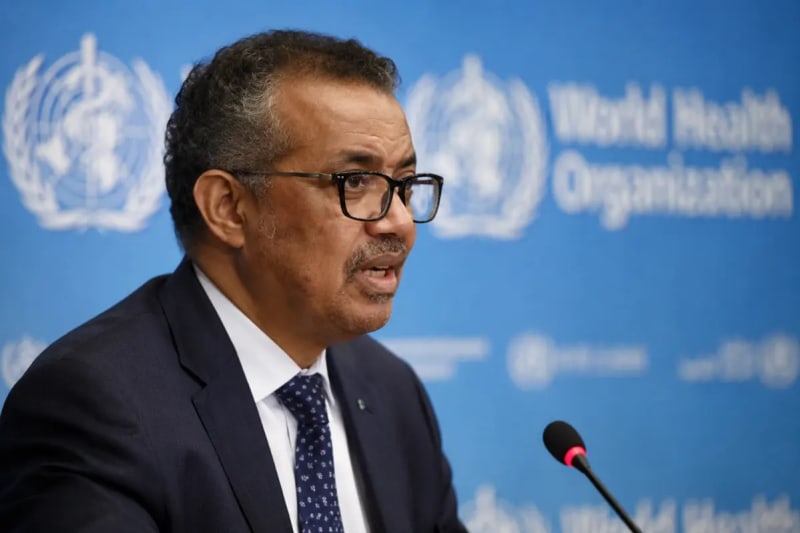
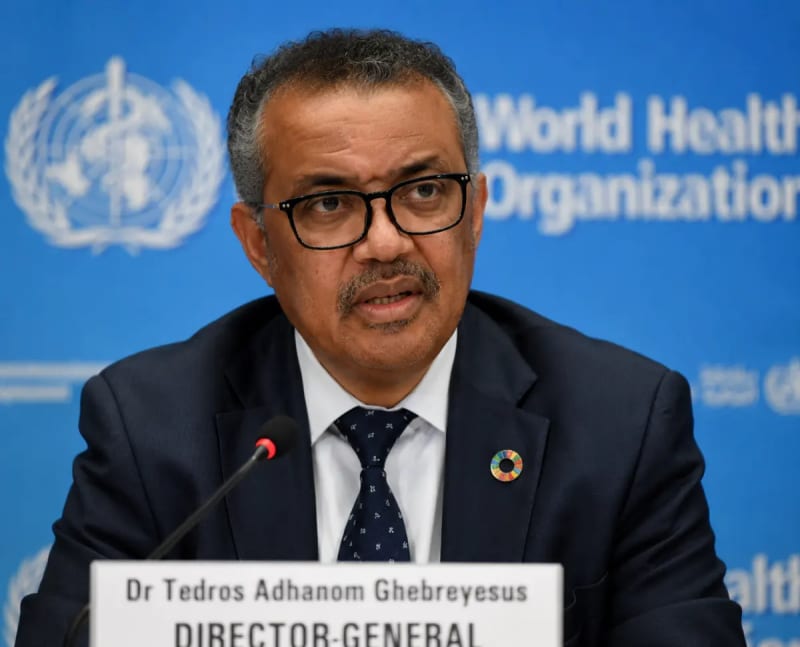
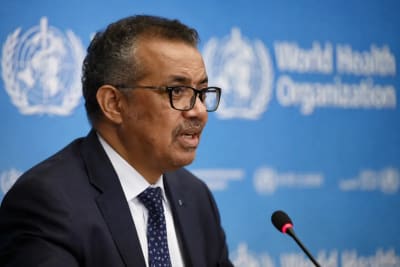
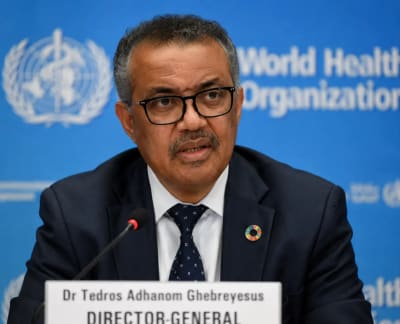
Neither the U.S. Embassy in Nairobi nor the Kenyan Ministry of Health has issued a detailed public statement following the court’s ruling. The World Health Organization, which is supporting Congo’s outbreak response, has not commented on the specific legal dispute but continues to emphasize the importance of cross border collaboration in containing Sudan ebolavirus. In past Ebola outbreaks, WHO has facilitated the establishment of temporary isolation units in high risk countries, often in partnership with local authorities and international donors. The current situation underscores the delicate balance between rapid epidemic response and respect for national legal frameworks, a tension that has surfaced repeatedly in global health emergencies from COVID 19 to monkeypox.
Prevention and Safety Guidance
For travelers, aid workers, and healthcare personnel in the region, standard Ebola prevention measures remain critical. These include:
- Avoiding direct contact with bodily fluids of infected individuals or contaminated surfaces.
- Using personal protective equipment, such as gloves, gowns, and face shields, when caring for suspected or confirmed cases.
- Practicing rigorous hand hygiene with soap and water or alcohol based sanitizers.
- Monitoring for symptoms, including fever, fatigue, muscle pain, vomiting, and unexplained bleeding, for at least 21 days after potential exposure.
- Seeking immediate medical evaluation if symptoms develop, with isolation to prevent secondary transmission.
Kenyan health authorities have not reported any cases of Sudan ebolavirus to date, but the country remains on heightened alert due to its proximity to the outbreak zone.
What Readers Should Know
The court’s decision is not a final ruling but a temporary suspension while the legal merits of the case are reviewed. The outcome could set a precedent for how African nations regulate foreign led health interventions during outbreaks, particularly when those interventions involve the movement or isolation of foreign nationals. For now, the U.S. government may explore alternative arrangements, such as repatriating exposed personnel to specialized facilities in the United States or Europe, though such options carry their own logistical and ethical complexities. The situation also highlights the urgent need for equitable access to medical countermeasures for Sudan ebolavirus, as the lack of vaccines and treatments leaves even well resourced countries with limited options for protecting their citizens abroad.
Key Takeaways
- A Kenyan court has temporarily blocked a U.S. plan to build an Ebola quarantine facility for Americans exposed to Sudan ebolavirus in Congo, citing legal and procedural concerns.
- Sudan ebolavirus, with a fatality rate of up to 70 percent, lacks licensed vaccines or treatments, increasing the stakes for regional containment efforts.
- The ruling reflects broader tensions between global health security priorities and national sovereignty, particularly in how foreign led health interventions are implemented in Africa.
- Without a designated quarantine site, U.S. personnel in the region may face challenges in securing safe isolation, while Kenyan authorities must clarify their own epidemic preparedness strategies.
- The case underscores the need for transparent, community engaged approaches to outbreak response, as well as accelerated research into medical countermeasures for emerging pathogens.
Frequently Asked Questions
What is Sudan ebolavirus, and how is it different from other Ebola strains?
Sudan ebolavirus is one of six known species in the Ebola virus family. Unlike Zaire ebolavirus, which has approved vaccines and treatments, Sudan ebolavirus has no licensed medical countermeasures. It is also less studied, with a fatality rate historically ranging from 40 to 70 percent. The current outbreak in northeastern Congo marks its first reemergence in nearly a decade.
Why did the Kenyan court suspend the U.S. quarantine facility plan?
The court granted an injunction after local advocacy groups and legal representatives argued that the U.S. government’s proposal lacked proper public consultation and regulatory approval in Kenya. The suspension is temporary while the court reviews the legal merits of the case.
What are the risks of Sudan ebolavirus spreading beyond Congo?
The World Health Organization has classified the current outbreak as a high risk for regional spread due to frequent cross border movement between Congo and neighboring countries like Uganda, Rwanda, South Sudan, and Kenya. The lack of vaccines or treatments for Sudan ebolavirus further complicates containment efforts.
What should travelers or aid workers in the region do to protect themselves?
Individuals in the region should avoid contact with bodily fluids of infected individuals, use personal protective equipment when necessary, practice rigorous hand hygiene, and monitor for symptoms such as fever, fatigue, or unexplained bleeding for at least 21 days after potential exposure. Immediate medical evaluation and isolation are critical if symptoms develop.
Could this legal dispute affect other global health interventions in Africa?
The outcome of this case could set a precedent for how African nations regulate foreign led health interventions during outbreaks, particularly those involving the isolation or movement of foreign nationals. It may prompt governments to demand greater transparency, community engagement, and adherence to local legal frameworks in future emergency responses.
Medical Review: MedSense Editorial Board











DISCUSSION (0)
POST A COMMENT