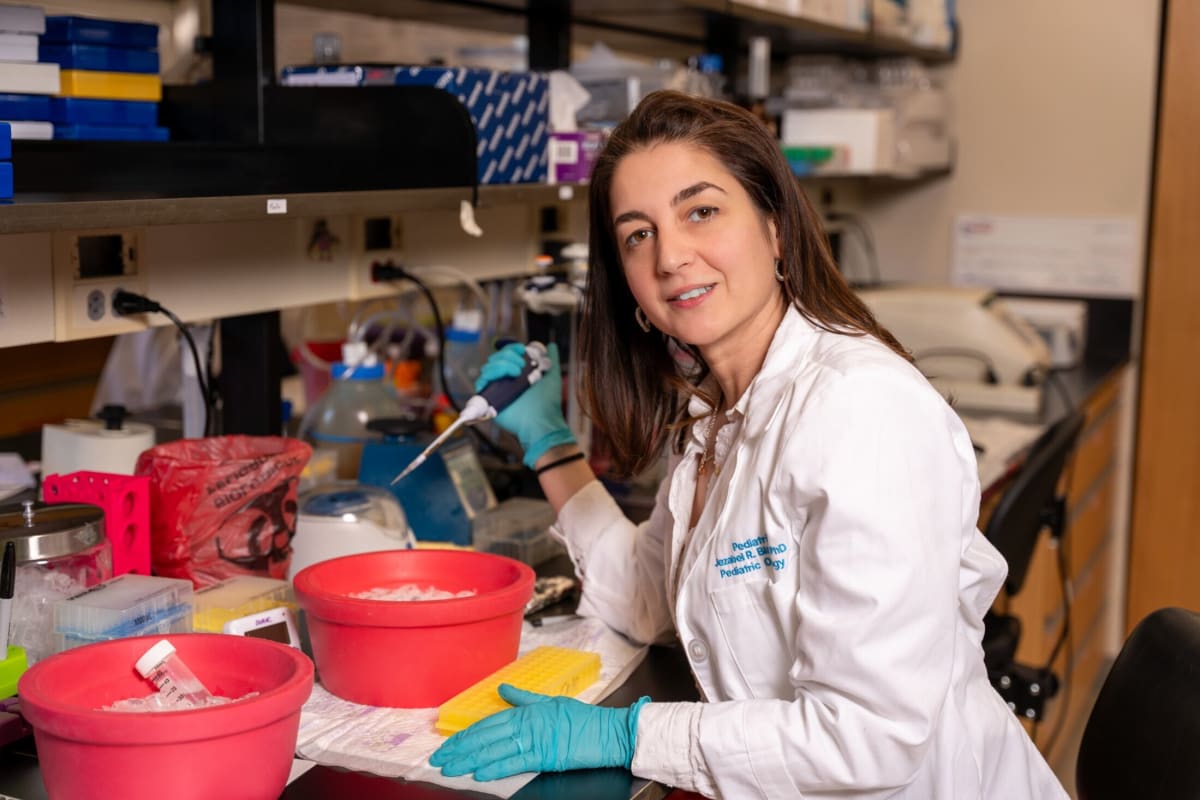
For families navigating a medulloblastoma diagnosis, the news of remission can bring immense relief. Yet for nearly one in three children, this relief is short lived. The most common malignant brain tumor in children, medulloblastoma has a troubling tendency to return, often with devastating consequences. Now, a new preclinical study offers a glimmer of hope, suggesting that simultaneously targeting two critical cancer pathways could curb relapse rates and improve long term outcomes for these young patients.
Clinical Significance
Medulloblastoma accounts for approximately 20% of all pediatric brain tumors, with current treatment protocols combining surgery, radiation, and chemotherapy. While these approaches have significantly improved survival rates, relapse remains a formidable challenge. Once the cancer returns, it is frequently resistant to further treatment, leaving families and clinicians with limited options. This study shifts the focus from treating relapse to preventing it, potentially reshaping how high risk medulloblastoma cases are managed.
Deep Dive and Research Findings
The study, conducted by a team of researchers at a leading pediatric oncology center, investigated the role of two specific molecular pathways in medulloblastoma progression. These pathways, known to drive tumor growth and survival, were found to be particularly active in cases where the cancer returned after initial treatment. By using a combination of existing drugs designed to inhibit these pathways, the researchers observed a marked reduction in tumor recurrence in preclinical models.
The findings suggest that the dual inhibition approach not only slows tumor growth but may also prevent the cancer from developing resistance to treatment. This is a critical advancement, as resistance is a major hurdle in managing relapsed medulloblastoma. The study also identified biomarkers that could help clinicians predict which patients are at highest risk of relapse, allowing for more personalized and proactive treatment strategies.
Future Outlook and Medical Implications
While the results are promising, the transition from preclinical research to clinical application is a lengthy and complex process. The next steps will involve validating these findings in larger animal models and, eventually, designing clinical trials to test the safety and efficacy of the dual pathway inhibition approach in human patients. If successful, this strategy could become a standard component of medulloblastoma treatment protocols, particularly for those at high risk of relapse.
Beyond medulloblastoma, the study’s insights into pathway driven resistance could have broader implications for other pediatric and adult cancers. Researchers are already exploring whether similar dual inhibition strategies could be effective in other treatment resistant tumors, potentially opening new avenues for cancer therapy.
Patient or Practitioner Guidance
For families currently facing a medulloblastoma diagnosis, this study underscores the importance of ongoing research and the potential for future advancements in treatment. While the findings are not yet ready for clinical use, they highlight the value of participating in clinical trials and staying informed about emerging therapies. Parents and caregivers are encouraged to discuss their child’s risk profile and treatment options with their oncology team, particularly if there are concerns about relapse.
For clinicians, the study serves as a reminder of the critical role that molecular profiling can play in tailoring treatment plans. As research continues to uncover the genetic and molecular drivers of medulloblastoma, integrating these insights into clinical practice could help identify high risk patients earlier and intervene more effectively.
Key Takeaways
- Nearly 30% of children with medulloblastoma experience relapse, often with poor outcomes.
- A preclinical study suggests that blocking two key cancer pathways may reduce relapse rates and prevent treatment resistance.
- The findings could lead to more personalized treatment strategies and improved long term survival for high risk patients.
- Further research and clinical trials are needed before this approach can be integrated into standard care.
Frequently Asked Questions
What is medulloblastoma?
Medulloblastoma is the most common malignant brain tumor in children, accounting for about 20% of all pediatric brain cancers. It typically arises in the cerebellum, the part of the brain responsible for coordination and balance.
Why is medulloblastoma relapse so concerning?
Relapsed medulloblastoma is often resistant to further treatment, making it difficult to manage. Survival rates after relapse are significantly lower than after initial diagnosis, which is why preventing relapse is a major focus of research.
How does this study propose to prevent relapse?
The study suggests that simultaneously inhibiting two molecular pathways involved in tumor growth and survival could reduce the likelihood of relapse. This approach aims to prevent the cancer from developing resistance to treatment.
When might this treatment approach be available for patients?
The findings are still in the preclinical stage, meaning they have not yet been tested in humans. Clinical trials will be necessary to determine the safety and efficacy of this approach, which could take several years.
What should parents of children with medulloblastoma do with this information?
Parents should discuss their child’s individual risk of relapse and treatment options with their oncology team. Staying informed about emerging research and considering participation in clinical trials can also be valuable.
Medical Review: MedSense Editorial Board





















DISCUSSION (0)
POST A COMMENT