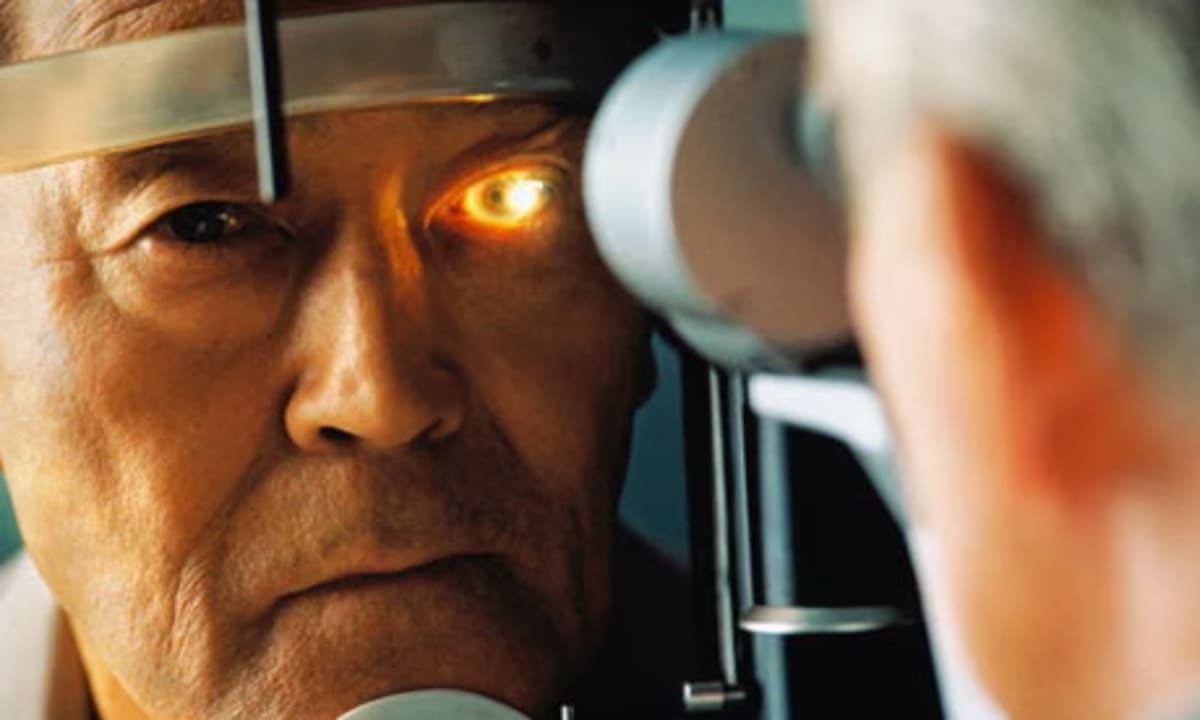
A potential game changer in the fight against age related blindness has emerged from a Finnish laboratory. Scientists at Aalto University have pioneered a non invasive laser treatment that could halt the progression of dry age related macular degeneration before irreversible damage occurs. The approach uses near infrared light to gently warm retinal tissue, triggering the eye’s own repair processes. With over 190 million people worldwide affected by age related macular degeneration and no current cure for the dry form, this discovery offers a rare glimmer of hope for preserving vision in older adults.
Clinical Significance
Dry age related macular degeneration AMD remains one of the most challenging conditions in ophthalmology. Unlike the wet form, which has treatment options to slow progression, the dry variant has no approved therapies to stop or reverse vision loss. This leaves millions of patients facing gradual deterioration of central vision, making everyday tasks like reading, driving, and recognizing faces increasingly difficult. The new laser based approach represents a paradigm shift because it targets the disease at a cellular level before structural damage becomes permanent.
Deep Dive and Research Findings
The Aalto University team focused on the retinal pigment epithelium RPE, a layer of cells critical for maintaining photoreceptor health. In dry AMD, these cells accumulate toxic waste products called drusen, leading to inflammation and eventual cell death. The researchers discovered that controlled heating of RPE cells using near infrared light activates heat shock proteins, which help clear cellular debris and restore normal function.
The treatment uses a specialized laser that delivers precise thermal doses without damaging surrounding tissue. In laboratory models, the technique reduced drusen accumulation and improved RPE cell survival. Importantly, the therapy appears to work by enhancing the eye’s natural repair mechanisms rather than introducing foreign substances or requiring invasive procedures.
Future Outlook and Medical Implications
While still in the experimental phase, this research opens several promising avenues. The non invasive nature of the treatment could make it accessible to a broad patient population, including those who may not be candidates for more aggressive interventions. The approach also raises the possibility of early intervention, potentially preventing vision loss before symptoms become noticeable.
Clinical trials will be essential to determine optimal dosing, treatment frequency, and long term safety. If successful, this therapy could complement emerging treatments like gene therapy and stem cell approaches, offering a multi pronged strategy against AMD. The research also highlights the potential of thermal modulation as a therapeutic tool in other degenerative eye conditions.
Patient or Practitioner Guidance
For patients with dry AMD, this development underscores the importance of regular eye examinations. Early detection remains crucial, as emerging therapies are most effective when initiated before significant vision loss occurs. Patients should discuss their individual risk factors with their ophthalmologist, including family history, smoking status, and dietary habits.
Practitioners should note that while this treatment shows promise, it is not yet available outside research settings. Current management of dry AMD still focuses on lifestyle modifications, nutritional supplements, and low vision aids. The Age Related Eye Disease Studies AREDS and AREDS2 formulations remain the standard of care for slowing progression in intermediate stage disease.
This research also highlights the need for continued investment in early stage ophthalmology research. As the global population ages, the burden of AMD is expected to grow significantly, making preventive strategies increasingly important.
Key Takeaways
- A new non invasive laser therapy using near infrared light may prevent vision loss in dry age related macular degeneration by activating the eye’s natural repair mechanisms.
- The treatment targets retinal pigment epithelium cells to reduce toxic waste accumulation before irreversible damage occurs.
- While still experimental, this approach could offer hope for millions with dry AMD, a condition currently lacking effective treatments.
- Early detection through regular eye exams remains critical for patients at risk of age related macular degeneration.
Frequently Asked Questions
What is dry age related macular degeneration?
Dry age related macular degeneration is a progressive eye condition that affects the central part of the retina, called the macula. It causes gradual vision loss and is the leading cause of blindness in older adults. Unlike the wet form, dry AMD has no approved treatments to stop or reverse its progression.
How does this new laser treatment work?
The treatment uses near infrared light to gently heat retinal tissue, which activates heat shock proteins. These proteins help clear toxic waste products called drusen that accumulate in the retina and contribute to cell damage in dry AMD.
Is this treatment available to patients now?
No, the treatment is still in the experimental phase and has only been tested in laboratory models. Clinical trials will be needed to determine its safety and effectiveness in humans before it can become widely available.
What can patients with dry AMD do now to protect their vision?
Current recommendations include regular eye exams, taking AREDS or AREDS2 vitamin formulations if recommended by an ophthalmologist, maintaining a healthy diet rich in leafy greens and fish, not smoking, and managing other health conditions like high blood pressure.
Medical Review: MedSense Editorial Board





















DISCUSSION (0)
POST A COMMENT