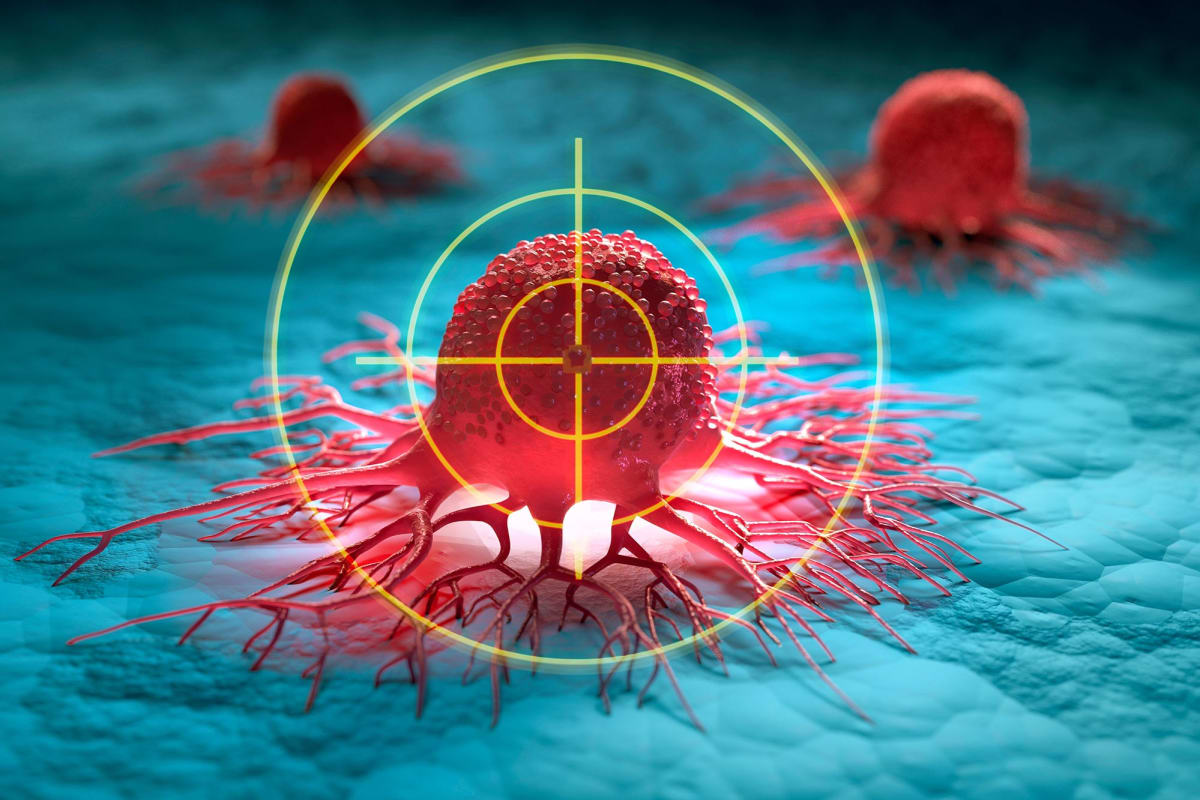
In a significant advance for cancer immunotherapy, scientists at McGill University have unlocked a way to amplify the power of the body’s own natural killer cells. These immune cells, long recognized for their ability to hunt down cancer, often struggle to penetrate the defenses tumors erect to evade destruction. By temporarily disabling two key proteins, researchers have transformed these cells into far more potent weapons against some of the most aggressive and treatment resistant cancers, including leukemia, glioblastoma, kidney cancer, and triple negative breast cancer. The findings, published in a recent study, offer a promising new avenue for patients who have exhausted conventional therapies and face limited options.
Clinical Significance
Natural killer NK cells are a type of white blood cell that plays a critical role in the body’s first line of defense against cancer and viral infections. Unlike T cells, which require prior exposure to a threat, NK cells can recognize and destroy abnormal cells immediately. However, tumors often develop mechanisms to suppress NK cell activity, allowing them to grow unchecked. This research addresses a fundamental challenge in immunotherapy: how to restore and enhance the natural anti cancer functions of these cells without triggering excessive immune responses or toxicity.
Deep Dive and Research Findings
The McGill University team focused on two proteins, known as CISH and SOCS1, which act as natural brakes on NK cell function. These proteins help regulate the immune system to prevent overactivity, but in the context of cancer, they can inadvertently protect tumors from immune attack. By using genetic techniques to temporarily block these proteins, researchers observed a dramatic increase in NK cell effectiveness. In laboratory models, the enhanced NK cells were able to infiltrate and destroy tumors that had previously resisted treatment, including those associated with glioblastoma, a notoriously aggressive brain cancer, and triple negative breast cancer, which lacks targeted therapy options.
The study also demonstrated that the modified NK cells maintained their enhanced activity without becoming overactive or causing damage to healthy tissues. This balance is crucial for translating the findings into safe and effective therapies for patients. The researchers emphasized that the approach does not involve permanent genetic changes, reducing the risk of long term side effects.
Future Outlook and Medical Implications
The implications of this research extend beyond the laboratory. If further studies confirm the safety and efficacy of this approach, it could pave the way for a new class of immunotherapies that harness the body’s own immune cells to fight cancer. Unlike traditional treatments such as chemotherapy or radiation, which can damage healthy cells, NK cell based therapies offer the potential for more targeted and less toxic interventions. This is particularly relevant for patients with advanced or recurrent cancers, who often have few remaining treatment options.
Clinical trials will be essential to determine whether this method can be safely adapted for human use. Researchers are optimistic that the approach could be combined with existing immunotherapies, such as checkpoint inhibitors, to create even more powerful treatment regimens. The ability to supercharge NK cells may also open doors to treating other diseases where immune suppression plays a role, including chronic infections and autoimmune disorders.
Patient or Practitioner Guidance
For patients and families facing aggressive cancers, this research offers a glimmer of hope. While the findings are still in the preclinical stage, they represent a potential breakthrough for those who have not responded to standard treatments. Patients are encouraged to discuss emerging therapies with their oncologists, particularly if they are participating in clinical trials or seeking alternative options.
Healthcare providers should stay informed about advances in immunotherapy, as these developments are rapidly reshaping cancer care. Understanding the mechanisms behind NK cell enhancement can help clinicians identify which patients might benefit most from these therapies and how to integrate them into existing treatment plans. As research progresses, it will be important to monitor for updates on clinical trials and regulatory approvals that could bring this innovation to the bedside.
Key Takeaways
- Scientists at McGill University have enhanced natural killer NK cells by temporarily blocking two regulatory proteins, CISH and SOCS1, to improve their ability to fight aggressive cancers.
- The modified NK cells showed increased effectiveness against hard to treat tumors, including glioblastoma, leukemia, kidney cancer, and triple negative breast cancer, in laboratory models.
- This approach could lead to a new class of immunotherapies that are more targeted and less toxic than traditional cancer treatments, offering hope for patients with limited options.
- Further research and clinical trials are needed to confirm the safety and efficacy of this method in humans, with potential applications extending beyond cancer to other immune related diseases.
Frequently Asked Questions
What are natural killer NK cells?
Natural killer NK cells are a type of white blood cell that forms part of the innate immune system. They are capable of recognizing and destroying abnormal cells, such as cancer cells or virus infected cells, without prior exposure or activation.
How does this research improve NK cell function?
The research involves temporarily blocking two proteins, CISH and SOCS1, which normally act as brakes on NK cell activity. By inhibiting these proteins, the NK cells become more effective at identifying and attacking tumor cells that have developed defenses against immune detection.
Which cancers could this research potentially help treat?
The enhanced NK cells have shown promise in laboratory models against several aggressive and treatment resistant cancers, including leukemia, glioblastoma, kidney cancer, and triple negative breast cancer.
Is this treatment available for patients now?
No, this research is still in the preclinical stage. While the findings are promising, further studies and clinical trials are necessary to determine the safety and effectiveness of this approach in humans before it can be made available to patients.
What are the potential benefits of NK cell based therapies?
NK cell based therapies offer the potential for more targeted cancer treatment with fewer side effects compared to traditional therapies like chemotherapy or radiation. They may also provide new options for patients who have not responded to existing treatments.
Medical Review: MedSense Editorial Board



















DISCUSSION (0)
POST A COMMENT