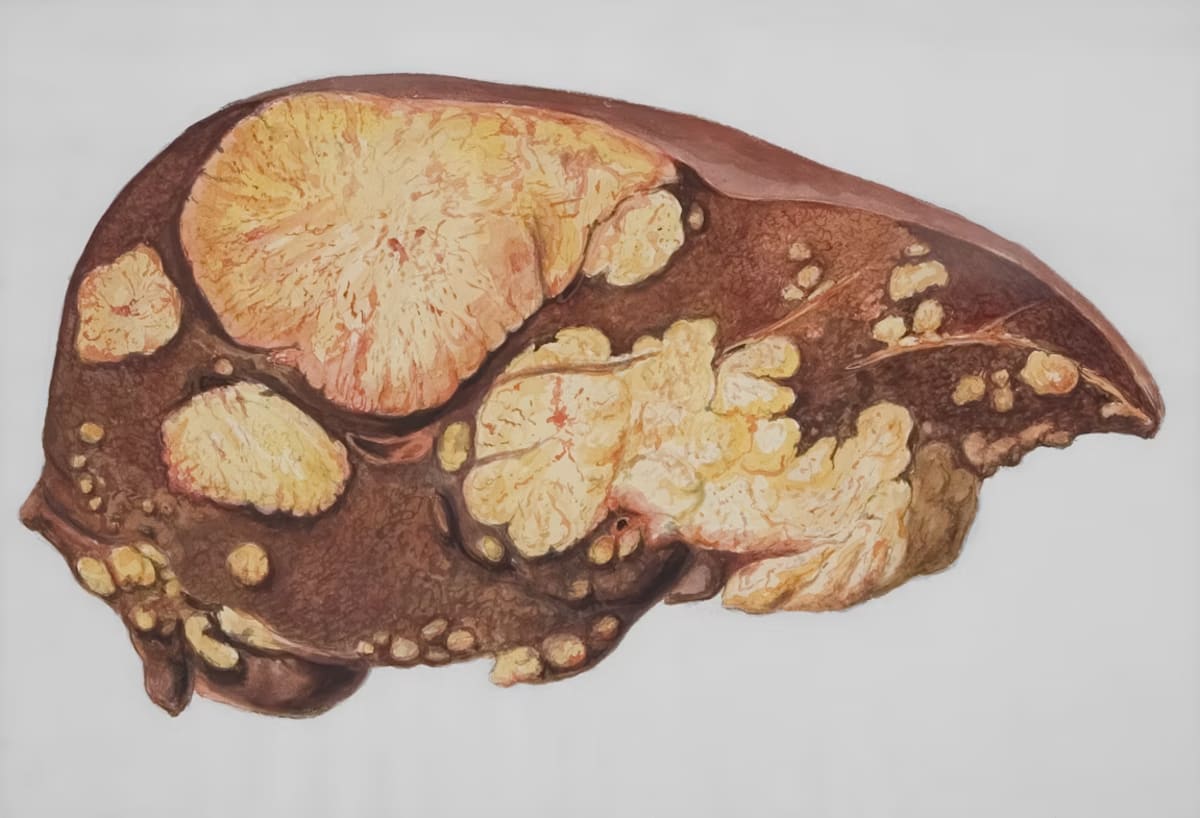
For the first time in decades, researchers have identified a drug that may halt the progression of metabolic dysfunction associated steatohepatitis, or MASH, a severe form of fatty liver disease that silently damages the liver and can lead to cirrhosis or cancer. The experimental therapy, ION224, developed by scientists at the University of California San Diego, targets a liver enzyme critical to fat accumulation and inflammation, two processes that drive irreversible liver damage. Early clinical trial results, presented this week, show patients experienced measurable improvements in liver health without changes in body weight, offering hope to millions who currently lack effective treatment options.
Clinical Significance
MASH, formerly known as nonalcoholic steatohepatitis, affects an estimated 1.5 to 6.5 percent of the global population and is a leading cause of liver transplants. Unlike simple fatty liver, MASH involves inflammation and cell damage, which can progress to fibrosis, cirrhosis, and hepatocellular carcinoma. Until now, no approved medications existed to treat the disease, leaving lifestyle modifications, particularly weight loss, as the only intervention. However, sustained weight loss is difficult to achieve and maintain, leaving many patients with few options as their condition worsens.
Deep Dive and Research Findings
ION224 works by inhibiting diacylglycerol acyltransferase 2 (DGAT2), an enzyme that plays a central role in triglyceride synthesis in the liver. By blocking DGAT2, the drug reduces fat accumulation and subsequent inflammation, addressing two of the primary drivers of MASH progression. In a Phase 2a clinical trial involving 48 patients with biopsy confirmed MASH, those treated with ION224 showed significant reductions in liver fat content, as measured by magnetic resonance imaging. Importantly, these improvements occurred independently of weight loss, suggesting the drug directly targets the underlying disease mechanism.
The trial also assessed liver fibrosis, a key predictor of long term outcomes in MASH. While the study was not powered to detect statistically significant changes in fibrosis, early data indicated a trend toward stabilization or improvement in some patients. Researchers noted that longer term studies would be necessary to confirm these effects and determine whether ION224 can reverse existing liver damage.
Future Outlook and Medical Implications
The development of ION224 represents a critical step forward in the fight against MASH, a disease that has reached epidemic proportions in many parts of the world. With obesity and type 2 diabetes on the rise, the prevalence of MASH is expected to increase, placing additional strain on healthcare systems already grappling with liver transplant shortages. If larger trials confirm its efficacy and safety, ION224 could become the first approved pharmacological treatment for MASH, transforming the standard of care for millions of patients.
However, experts caution that the road to regulatory approval is long and uncertain. Phase 3 trials, which will involve larger and more diverse patient populations, are expected to begin within the next 12 to 18 months. These studies will focus not only on liver fat reduction but also on clinical outcomes such as fibrosis regression and the prevention of liver related complications. Additionally, researchers will monitor long term safety, particularly given the drug’s mechanism of action in lipid metabolism.
Patient or Practitioner Guidance
For patients diagnosed with MASH, the emergence of ION224 offers a glimmer of hope, but it is not yet a reason to abandon current management strategies. Clinicians continue to emphasize the importance of lifestyle interventions, including a balanced diet, regular physical activity, and weight management, as the cornerstone of MASH treatment. Patients should also work closely with their healthcare providers to monitor liver function and manage comorbid conditions such as diabetes and hypertension, which can accelerate disease progression.
While ION224 is not yet available outside of clinical trials, patients interested in participating in future studies can consult clinical trial registries such as ClinicalTrials.gov or speak with their hepatologist or primary care physician. For now, the best defense against MASH remains early detection and proactive management of risk factors.
Key Takeaways
- ION224 is an experimental drug that targets DGAT2, an enzyme involved in liver fat accumulation and inflammation, key drivers of MASH progression.
- Early clinical trials show ION224 reduces liver fat content without requiring weight loss, a significant advancement for patients with limited treatment options.
- MASH affects millions worldwide and can lead to cirrhosis, liver cancer, and the need for transplantation; no approved medications currently exist for the disease.
- Larger Phase 3 trials are needed to confirm the drug’s efficacy in reversing fibrosis and preventing liver related complications.
- Patients should continue to prioritize lifestyle modifications and regular medical monitoring while awaiting further developments.
Frequently Asked Questions
What is MASH, and how is it different from fatty liver disease?
MASH, or metabolic dysfunction associated steatohepatitis, is an advanced form of fatty liver disease characterized by liver inflammation and cell damage. Unlike simple fatty liver, which involves fat accumulation without significant injury, MASH can progress to fibrosis, cirrhosis, and liver cancer if left untreated.
How does ION224 work to treat MASH?
ION224 inhibits the enzyme DGAT2, which is responsible for synthesizing triglycerides in the liver. By blocking this enzyme, the drug reduces fat buildup and inflammation, addressing two major contributors to MASH progression.
Are there any side effects associated with ION224?
The Phase 2a trial reported no serious adverse events, but long term safety data are not yet available. Common side effects observed in early studies included mild gastrointestinal symptoms. Ongoing trials will provide more comprehensive safety information.
When might ION224 become available to the public?
ION224 is still in the experimental phase, with Phase 3 trials expected to begin in the next 12 to 18 months. If these trials are successful, regulatory approval could take several more years. Patients should consult their healthcare providers for updates and potential trial opportunities.
What can I do now to manage MASH?
Current management strategies focus on lifestyle modifications, including weight loss, a balanced diet, and regular exercise. Controlling comorbid conditions such as diabetes and hypertension is also critical. Regular monitoring of liver function and consultations with a hepatologist can help slow disease progression.
Medical Review: MedSense Editorial Board








DISCUSSION (0)
POST A COMMENT