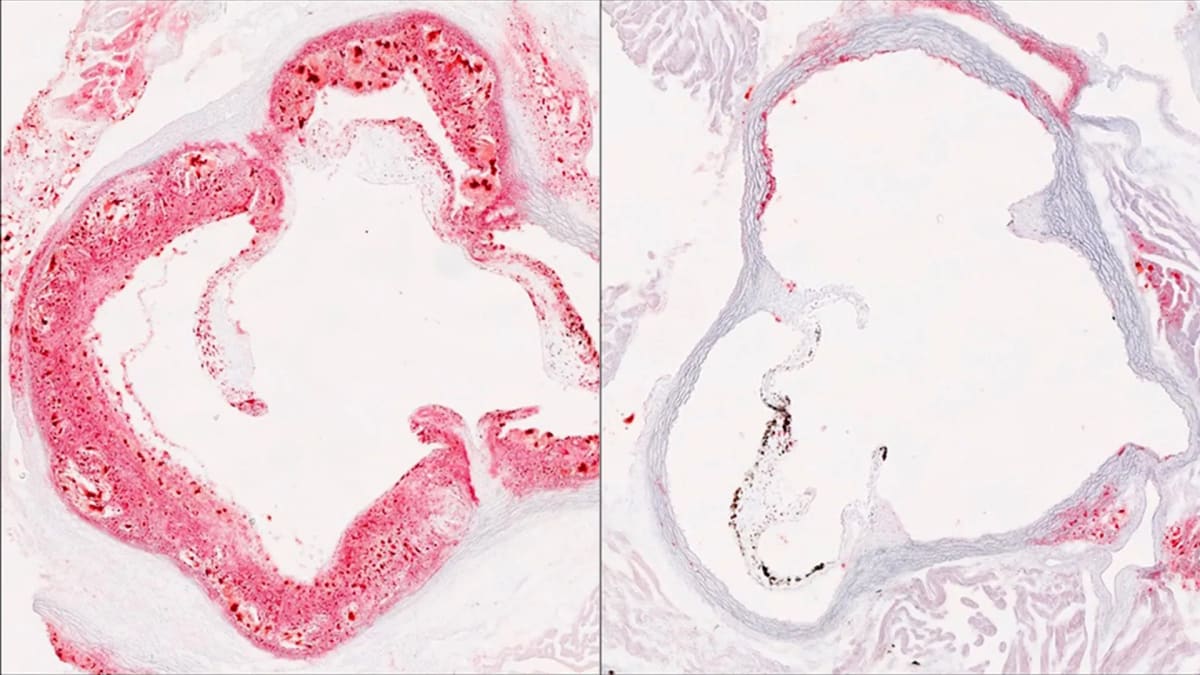
In a major advance for cardiovascular science, researchers at UT Southwestern Medical Center have pinpointed a previously unknown protein that acts as a natural brake on harmful cholesterol production. The discovery, published in a recent study, reveals how this protein, dubbed HELZ2, suppresses the genetic machinery responsible for creating apoB, a critical component of low density lipoprotein particles often called "bad cholesterol." With heart disease remaining the leading cause of death worldwide, this finding could open new avenues for therapies aimed at reducing atherosclerosis and related cardiovascular risks.
Clinical Significance
The identification of HELZ2 represents a potential paradigm shift in how scientists understand and target cholesterol metabolism. Current cholesterol lowering drugs, such as statins, primarily work by inhibiting an enzyme involved in cholesterol synthesis or by enhancing the liver's ability to remove LDL from the bloodstream. HELZ2, however, operates at the genetic level, directly interfering with the production of apoB containing lipoproteins. This mechanism could complement existing therapies or offer an alternative for patients who do not respond well to statins.
Deep Dive and Research Findings
The study, led by a team at UT Southwestern, focused on the molecular pathways that regulate the assembly and secretion of very low density lipoproteins in the liver. These particles, which contain apoB, are precursors to LDL cholesterol and play a central role in transporting fats through the bloodstream. When overproduced, they contribute to plaque buildup in arteries, increasing the risk of heart attacks and strokes.
Using advanced genetic and biochemical techniques, the researchers demonstrated that HELZ2 binds to specific regions of DNA, effectively silencing the genes responsible for apoB production. In laboratory models, boosting HELZ2 activity led to a significant reduction in circulating apoB levels, suggesting that the protein could be harnessed to lower harmful cholesterol. The team also explored how HELZ2 interacts with other regulatory proteins, providing a more comprehensive picture of the liver's cholesterol control system.
Future Outlook and Medical Implications
While the discovery is still in its early stages, the implications for cardiovascular medicine are substantial. If further research confirms HELZ2's role in humans, it could become a target for novel drugs designed to mimic or enhance its cholesterol suppressing effects. Such therapies might offer a more precise way to manage lipid levels, particularly for individuals with genetic predispositions to high cholesterol or those who experience side effects from current medications.
Additionally, the findings could spur new research into other genetic regulators of lipid metabolism. Understanding these pathways may reveal additional targets for intervention, potentially leading to a broader range of treatment options for patients with dyslipidemia and related metabolic disorders.
Patient or Practitioner Guidance
For now, patients and healthcare providers should view this discovery as a promising but preliminary step in cholesterol research. While the findings are encouraging, it may take years before any HELZ2 based therapies become available. In the meantime, individuals concerned about cholesterol should continue to follow established guidelines, including regular screenings, a heart healthy diet, physical activity, and adherence to prescribed medications.
Practitioners should stay informed about emerging research in lipid metabolism, as new insights could eventually reshape clinical approaches to cardiovascular risk reduction. Monitoring developments in this area may help clinicians provide more personalized care as additional data becomes available.
Key Takeaways
- Scientists at UT Southwestern have identified HELZ2, a protein that acts as a genetic 'master switch' to reduce harmful cholesterol production in the liver.
- HELZ2 works by suppressing apoB, a key component of LDL cholesterol, which is linked to atherosclerosis and heart disease.
- This discovery could lead to new cholesterol lowering therapies, particularly for patients who do not respond well to current treatments like statins.
- While promising, the research is still in early stages, and further studies are needed to confirm HELZ2's role in humans.
Frequently Asked Questions
What is HELZ2, and how does it affect cholesterol?
HELZ2 is a newly discovered protein that regulates cholesterol production in the liver by suppressing the gene responsible for apoB, a critical component of LDL cholesterol. By reducing apoB levels, HELZ2 may help lower harmful cholesterol in the bloodstream.
Could this discovery lead to new cholesterol treatments?
Potentially, yes. If further research confirms HELZ2's role in humans, it could become a target for new drugs designed to lower cholesterol. However, such therapies are likely years away from clinical use.
How does HELZ2 differ from current cholesterol lowering drugs?
Most existing cholesterol medications, like statins, work by either reducing cholesterol synthesis or enhancing its removal from the bloodstream. HELZ2, however, operates at the genetic level, directly interfering with the production of apoB containing lipoproteins.
Should I change my cholesterol management based on this discovery?
No. While the findings are promising, they are still preliminary. Patients should continue following their healthcare provider's recommendations, including lifestyle changes and prescribed medications.
Medical Review: MedSense Editorial Board





















DISCUSSION (0)
POST A COMMENT