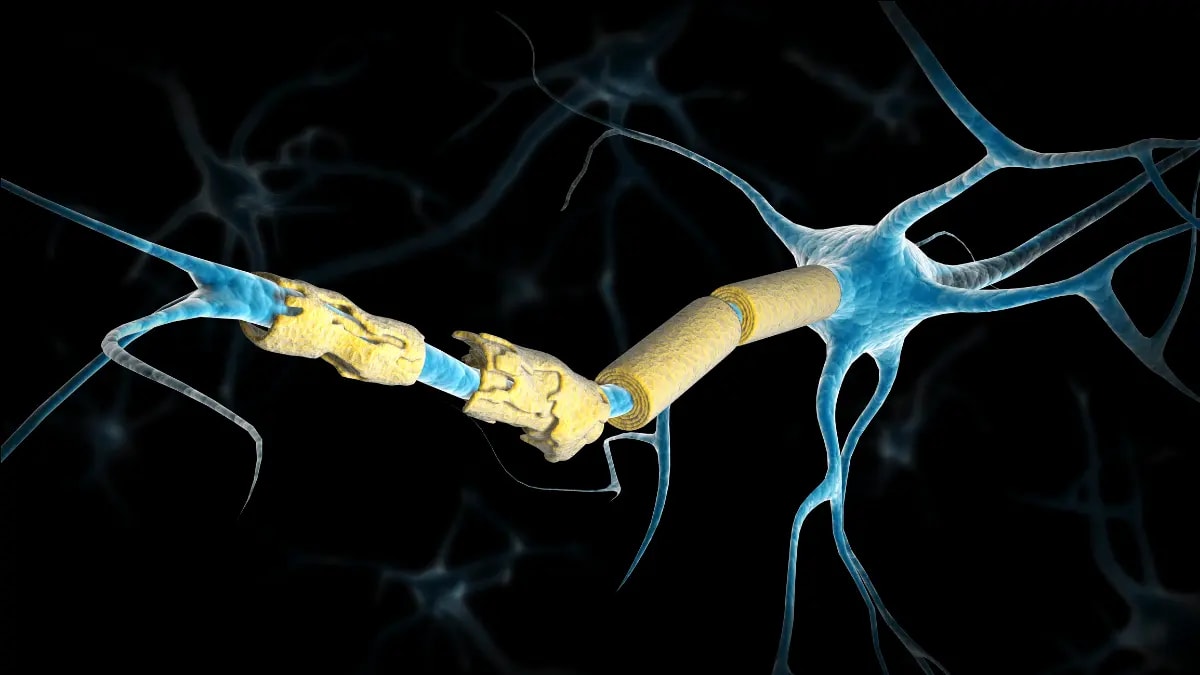
An international research team has uncovered a new mechanism explaining why B-cell depletion therapies help control multiple sclerosis. The study, published in Science Translational Medicine, reveals that these therapies may work partly by mobilizing beneficial immune cells from the gut. The findings challenge previous assumptions about how these treatments function and highlight the gut-brain connection in autoimmune diseases.
What Happened
Researchers from the University Hospital of Bonn, the Universities of Bonn, Basel, Toronto, and Yale, along with collaborators, discovered that B-cell depletion therapies in multiple sclerosis patients promote the migration of protective immune cells from the gut to the bloodstream and central nervous system. The team analyzed immune cells from blood, cerebrospinal fluid, and intestinal tissue, finding that B-cell depletion increased levels of factors regulating these gut-derived B cells. Higher levels of these factors were linked to better outcomes in MS patients.
Why It Matters
Multiple sclerosis is a chronic autoimmune disease where the immune system attacks nerve fibers, disrupting brain-body communication. While B-cell depletion therapies like ocrelizumab and rituximab have improved outcomes, the exact mechanisms behind their success were unclear. This study provides a critical piece of the puzzle by showing that these therapies may recruit beneficial immune cells from the gut, reducing inflammation and slowing disease progression. The findings underscore the gut-brain axis as a potential therapeutic target for MS and other autoimmune diseases.
Who Does It Affect
This discovery primarily impacts individuals living with multiple sclerosis, particularly those receiving B-cell depletion therapies. The research also has implications for neurologists, immunologists, and researchers studying autoimmune diseases. Globally, MS affects an estimated 2.8 million people, with higher prevalence in North America and Europe. The findings may influence future research directions for other autoimmune disorders, potentially expanding their impact to millions more patients.
What Should I Do
If you or a loved one has multiple sclerosis, discuss treatment options with your neurologist. B-cell depletion therapies are not suitable for everyone, so decisions should be based on individual health profiles and disease severity. Consider the following steps:
- Consult your healthcare provider about whether B-cell depletion therapies might be appropriate for you.
- Monitor gut health by maintaining a balanced diet rich in fiber, probiotics, and anti-inflammatory foods.
- Stay informed about MS research through reputable sources like the National Multiple Sclerosis Society.
- Consider participating in clinical trials to contribute to scientific advancements.
- Work with your healthcare provider to develop a personalized care plan tailored to your unique needs.
What We Don't Know Yet
While the study provides valuable insights, several questions remain unanswered. Researchers have not established a direct causal relationship between gut immune cells and MS progression, and further studies are needed to confirm whether altering gut immunity can directly improve MS outcomes. The long-term effects of B-cell depletion on gut health and overall immunity are also not fully understood. Additionally, it is unclear whether these findings apply to all MS patients or only specific subgroups, such as those with relapsing-remitting MS versus progressive forms of the disease.
Key Takeaways
- B-cell depletion therapies for multiple sclerosis may work partly by mobilizing beneficial immune cells from the gut.
- The study highlights the gut-brain axis as a critical factor in autoimmune diseases like MS, opening new avenues for treatment.
- Patients with MS should discuss treatment options with their neurologists, considering both the benefits and risks of B-cell depletion therapies.
Frequently Asked Questions
What are B-cell depletion therapies?
B-cell depletion therapies temporarily remove B cells, a type of immune cell believed to contribute to disease activity in multiple sclerosis. These therapies, such as ocrelizumab and rituximab, have been shown to reduce relapses and slow disease progression in many MS patients.
How do gut immune cells relate to multiple sclerosis?
The study suggests that B-cell depletion therapies may promote the migration of beneficial immune cells from the gut to the bloodstream and central nervous system, reducing inflammation and slowing MS progression.
Are B-cell depletion therapies suitable for all MS patients?
No, B-cell depletion therapies are not suitable for everyone. They are currently approved for relapsing forms of MS and primary progressive MS. The decision to use these therapies should be made in consultation with a neurologist.
Medical Review: MedSense Editorial Board


















DISCUSSION (0)
POST A COMMENT