Clinical Significance
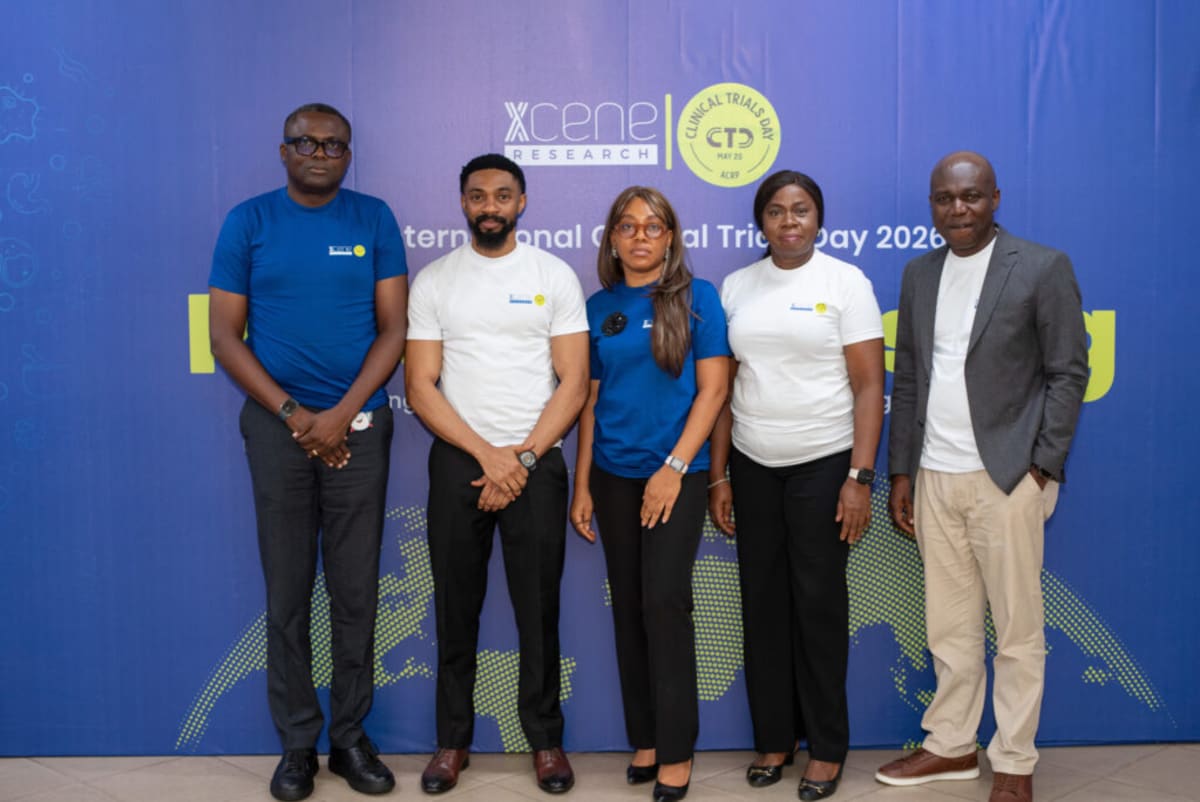
Africa’s underrepresentation in clinical trials has long been a blind spot in global medicine. Diseases like malaria, HIV, and tuberculosis disproportionately affect the continent, yet the therapies developed to combat them have often been tested elsewhere. This mismatch can lead to suboptimal treatments, unexpected side effects, or even failed interventions when drugs are rolled out in African populations. By expanding clinical trial capacity, organizations like Xcene Research are not just filling a gap, they are redefining how medicine is developed and delivered.
The benefits are twofold. First, African patients gain earlier access to experimental therapies that could save lives or improve quality of life. Second, the data generated from these trials provide invaluable insights into how diseases manifest and respond to treatment in African genetic and environmental contexts. This could lead to more tailored, effective therapies for conditions ranging from cancer to cardiovascular disease, ultimately benefiting patients worldwide.
Deep Dive and Research Findings
Xcene Research’s expansion is part of a broader trend: a growing recognition that Africa’s medical potential is untapped. The continent is home to over 1.4 billion people, with a disease burden that includes both infectious and non communicable diseases. Yet, infrastructure challenges, regulatory hurdles, and historical skepticism about clinical research have slowed progress. Xcene’s approach addresses these barriers by investing in local partnerships, training healthcare workers, and ensuring trials meet international ethical and scientific standards.
One of the most significant shifts is the focus on decentralized trials. By leveraging mobile health technologies and community based research sites, Xcene is making it easier for patients in remote or underserved areas to participate. This not only increases diversity in trial populations but also builds trust in medical research, a critical factor in a region where historical exploitation has left deep scars. The organization is also prioritizing trials for diseases that disproportionately affect Africa, such as sickle cell disease and neglected tropical diseases, which have received far less attention from global pharmaceutical companies.
Future Outlook and Medical Implications
The expansion of clinical trials in Africa could have ripple effects across global health. For pharmaceutical companies, it offers a chance to test drugs in more diverse populations, potentially uncovering efficacy or safety signals that might be missed in homogenous trial groups. For African healthcare systems, it strengthens capacity, fosters innovation, and could attract further investment in medical infrastructure. And for patients, it means a seat at the table in the development of the next generation of therapies.
However, challenges remain. Regulatory frameworks in many African countries are still evolving, and ensuring equitable access to the benefits of research, rather than just the burdens of participation, will require ongoing vigilance. There is also the question of sustainability: will the momentum continue once initial funding or interest wanes? Organizations like Xcene Research are betting that the answer is yes, but the proof will lie in the long term impact on patient outcomes and scientific discovery.
Patient or Practitioner Guidance
For patients and caregivers, the rise of clinical trials in Africa offers new hope but also demands informed participation. Before enrolling in a trial, patients should ask key questions: What are the potential risks and benefits? How will my data be used and protected? What happens if the treatment works, or if it doesn’t? Reputable trial sites will provide clear, culturally appropriate information and ensure participants understand their rights, including the right to withdraw at any time.
Healthcare providers, too, play a crucial role. By staying informed about ongoing trials and referring eligible patients, they can help bridge the gap between research and real world care. For those in regions with limited trial access, advocacy for expanded research infrastructure can make a difference. Meanwhile, policymakers must prioritize strengthening regulatory systems to ensure trials are conducted ethically and transparently, with benefits that extend beyond the trial itself.
Ultimately, Africa’s growing role in clinical research is not just about science, it’s about equity. As International Clinical Trials Day 2026 reminds us, the future of medicine depends on who gets to shape it. For too long, that future has been written without Africa’s voice. Now, the continent is stepping into the spotlight, and the world is watching.
Key Takeaways
- Africa’s underrepresentation in clinical trials has led to gaps in medical knowledge, particularly for diseases that disproportionately affect the continent.
- Xcene Research’s expansion of trial sites in Africa aims to improve access to experimental therapies while generating data that reflects diverse populations.
- Decentralized trials and community based research are key strategies for increasing participation and building trust in African clinical research.
- The growth of clinical trials in Africa could reshape global medicine by uncovering new insights into disease and treatment responses across different genetic and environmental contexts.
- Patients and providers must prioritize informed consent and ethical participation to ensure trials benefit both science and the communities involved.
Frequently Asked Questions
Why is Africa’s participation in clinical trials important?
Africa’s participation is crucial because it ensures that medical research reflects the genetic, environmental, and disease diversity of its population. Without this representation, treatments developed elsewhere may not be as effective or safe for African patients. Additionally, Africa bears a significant burden of diseases like malaria, HIV, and sickle cell disease, which require tailored research and therapies.
What are the risks of participating in a clinical trial?
Clinical trials involve experimental treatments, so there may be unknown risks, including side effects or lack of efficacy. However, trials are rigorously monitored for safety, and participants are closely observed. Before enrolling, patients should discuss potential risks and benefits with their healthcare provider and the trial team.
How can patients in Africa find out about clinical trials?
Patients can start by asking their healthcare providers about ongoing trials in their area. Organizations like Xcene Research often list active trials on their websites, and platforms like ClinicalTrials.gov provide global databases of registered studies. Local hospitals, universities, and patient advocacy groups may also have information about trials seeking participants.
What safeguards are in place to protect clinical trial participants in Africa?
Reputable clinical trials adhere to international ethical standards, including informed consent, independent review by ethics committees, and strict data protection measures. Regulatory bodies in many African countries are also strengthening oversight to ensure trials are conducted responsibly. Participants should verify that a trial is approved by relevant authorities before enrolling.
Will the benefits of clinical trials in Africa extend beyond participants?
Ideally, yes. The goal of clinical research is to generate knowledge that improves healthcare for everyone. If trials lead to new treatments or better understanding of diseases, the benefits should extend to the broader population. However, this depends on equitable access to the resulting therapies and continued investment in healthcare infrastructure.
Medical Review: MedSense Editorial Board






















DISCUSSION (0)
POST A COMMENT