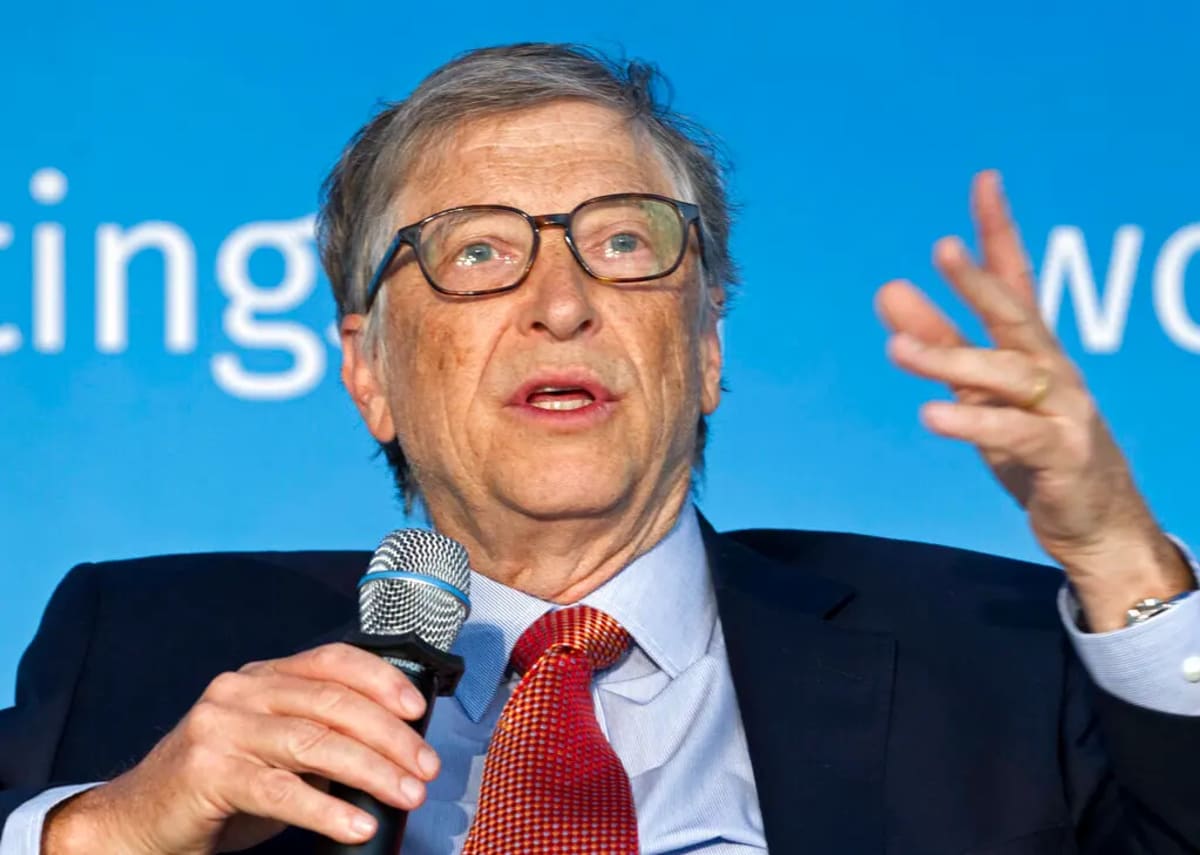
Bill Gates has called for artificial intelligence to be deployed in Africa during its early development stages, arguing that late integration risks deepening global health inequalities. Speaking at the Paul Farmer Butaro Dialogues on Health Equity and Innovation in Rwanda, Gates emphasized that delaying AI adoption in African healthcare could leave the continent further behind wealthier nations. The Gates Foundation chair highlighted the need for equitable access to AI driven medical advancements to address pressing health challenges on the continent.
Call for equitable AI integration in African healthcare
Bill Gates has urged global health leaders to prioritize the early deployment of artificial intelligence in African healthcare systems, warning that delayed adoption risks exacerbating existing health disparities. Speaking at the inaugural Paul Farmer Butaro Dialogues on Health Equity and Innovation in Rwanda, Gates emphasized that integrating AI from the outset would help prevent the continent from being left behind as technology advances.
Why early adoption matters
Gates argued that introducing AI in Africa only after wealthier nations have already benefited would widen the global health gap. He stressed that early integration is critical to ensuring that African countries can leverage AI to address their unique health challenges, including maternal and child health, infectious diseases, and healthcare access in remote areas. The Gates Foundation chair highlighted that AI could improve diagnostic accuracy, streamline healthcare delivery, and enhance disease surveillance in regions with limited resources.
Context of the remarks
The call was made during the Paul Farmer Butaro Dialogues, an event organized by the University of Global Health Equity (UGHE) in collaboration with the Consortium of Medical Schools Africa (COMS A). The conference focused on health equity and innovation, bringing together policymakers, researchers, and healthcare professionals to discuss strategies for improving health outcomes in low and middle income countries. Gates’ remarks underscored the urgency of addressing systemic barriers that prevent African nations from fully participating in the AI driven healthcare revolution.
Potential benefits of AI in African healthcare
Gates outlined several areas where AI could have an immediate impact in Africa, including drug discovery, personalized medicine, and predictive analytics for disease outbreaks. He cited examples of AI applications already being tested in African healthcare systems, such as machine learning models for detecting tuberculosis and malaria in rural clinics. These tools, he noted, could significantly reduce diagnostic delays and improve treatment outcomes in regions where healthcare infrastructure is often stretched thin.
Challenges to early adoption
Despite the potential benefits, Gates acknowledged that early AI deployment in Africa faces significant hurdles, including limited digital infrastructure, data privacy concerns, and the need for workforce training. He called for coordinated efforts between governments, international organizations, and private sector partners to build the necessary foundations for AI integration. Gates also emphasized the importance of local ownership, ensuring that AI solutions are tailored to the specific needs and contexts of African communities.
Global health equity in the AI era
The Gates Foundation has long advocated for global health equity, and Gates’ latest remarks align with this mission. The foundation has invested heavily in AI research and development, particularly in areas relevant to low resource settings. Gates’ push for early AI deployment in Africa reflects a broader strategy to ensure that technological advancements do not disproportionately benefit wealthier nations, leaving vulnerable populations further behind.
Key Takeaways
- Early AI deployment in African healthcare could prevent widening global health disparities, according to Bill Gates.
- AI tools like machine learning models for disease detection could improve diagnostic accuracy and treatment outcomes in low resource settings.
- Coordinated efforts between governments, international organizations, and private partners are needed to overcome infrastructure and training barriers.
Frequently Asked Questions
Why does Bill Gates emphasize early AI deployment in Africa?
Gates warns that delaying AI adoption risks leaving African healthcare systems further behind wealthier nations, exacerbating global health inequalities.
What are the potential benefits of AI in African healthcare?
AI could improve diagnostic accuracy, streamline healthcare delivery, enhance disease surveillance, and support drug discovery and personalized medicine.
What challenges does early AI deployment face in Africa?
Key challenges include limited digital infrastructure, data privacy concerns, workforce training needs, and the requirement for locally tailored solutions.
Published by Damilare | Review by MedSense Editorial Board

















DISCUSSION (0)
POST A COMMENT