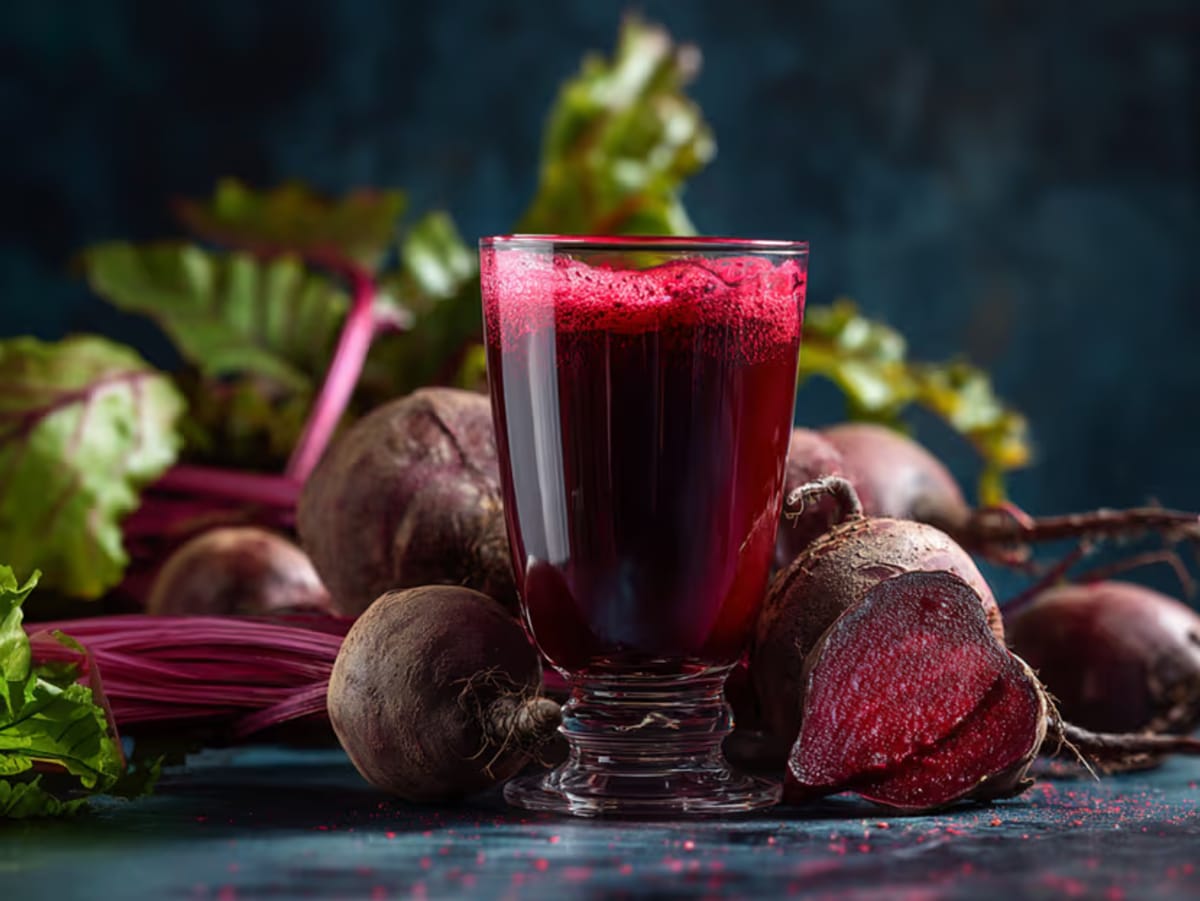
A daily glass of beetroot juice may do more than just add color to a meal, it could help older adults manage high blood pressure by reshaping the bacteria in their mouths. In the largest clinical trial of its kind, researchers discovered that concentrated beetroot juice, rich in dietary nitrates, led to measurable blood pressure reductions in older participants after just two weeks. Younger adults, however, showed no such benefit, suggesting age related differences in how the body processes nitrates and interacts with oral microbes. The findings add a new layer to the growing body of evidence linking diet, the oral microbiome, and cardiovascular health.
Clinical Significance
High blood pressure, or hypertension, affects nearly one in three adults worldwide and is a leading risk factor for heart disease and stroke. While lifestyle changes and medications are standard treatments, dietary interventions, particularly those targeting the body’s nitrate metabolism, have gained attention for their potential to complement existing therapies. Beetroot juice, naturally high in inorganic nitrates, has been studied for its ability to improve blood vessel function and lower blood pressure. However, this new research highlights a previously underappreciated mechanism: the role of oral bacteria in converting nitrates into nitric oxide, a molecule critical for vascular health.
Deep Dive and Research Findings
The study, published in the journal Hypertension, involved 60 participants divided into two age groups: adults aged 18 to 30 and those aged 50 to 70. Over a two week period, half of each group consumed 70 milliliters of concentrated beetroot juice twice daily, while the other half received a nitrate free placebo. Blood pressure was monitored throughout the trial, alongside analyses of oral bacteria and nitrate metabolism.
Older adults who drank the beetroot juice experienced an average systolic blood pressure reduction of 5 to 7 mmHg, a clinically meaningful decrease that could translate to a 10% lower risk of stroke and a 7% lower risk of coronary heart disease over time. In contrast, younger participants showed no significant changes in blood pressure, despite consuming the same amount of juice. The researchers attributed this discrepancy to differences in oral microbiome composition, which may influence how efficiently nitrates are converted into nitric oxide, a process that tends to decline with age.
"Our findings suggest that the oral microbiome plays a pivotal role in mediating the cardiovascular benefits of dietary nitrates," said the study’s lead author, Dr. Anni Vanhatalo, a physiologist at the University of Exeter. "Older adults, who often have less efficient nitrate metabolism, appear to benefit the most from this intervention."
Future Outlook and Medical Implications
The study opens new avenues for exploring how dietary nitrates can be leveraged to support cardiovascular health, particularly in aging populations. While beetroot juice is not a replacement for antihypertensive medications, it could serve as a low risk, accessible adjunct therapy for those looking to manage blood pressure naturally. The research also underscores the importance of oral health in cardiovascular disease prevention, a connection that has gained traction in recent years.
Future studies may investigate whether long term beetroot juice consumption sustains blood pressure reductions or if combining it with other nitrate rich foods, such as leafy greens, could enhance its effects. Additionally, researchers are interested in whether probiotics or oral hygiene practices could optimize nitrate metabolism in older adults.
Patient or Practitioner Guidance
For older adults concerned about high blood pressure, incorporating beetroot juice into their diet may offer a simple, evidence based way to support heart health. However, experts caution that individual responses can vary, and those on blood pressure medications should consult their healthcare provider before making dietary changes. Beetroot juice is generally safe but may cause temporary discoloration of urine or stool due to its natural pigments.
Practitioners may consider recommending beetroot juice as part of a broader cardiovascular risk reduction strategy, particularly for patients interested in non pharmacological interventions. Monitoring blood pressure at home can help individuals track their response to dietary changes and adjust their approach as needed.
Key Takeaways
- Drinking concentrated beetroot juice twice daily for two weeks significantly lowered blood pressure in older adults but not in younger participants.
- The blood pressure reduction in older adults averaged 5 to 7 mmHg, a clinically meaningful decrease linked to lower cardiovascular risk.
- The study suggests that oral bacteria play a key role in converting dietary nitrates into nitric oxide, a molecule that supports vascular health.
- Beetroot juice may serve as a low risk adjunct therapy for managing hypertension, particularly in aging populations.
- Individuals on blood pressure medications should consult their healthcare provider before adding beetroot juice to their diet.
Frequently Asked Questions
How does beetroot juice lower blood pressure?
Beetroot juice is rich in dietary nitrates, which oral bacteria convert into nitric oxide. Nitric oxide helps relax and dilate blood vessels, improving blood flow and lowering blood pressure.
Why did older adults benefit more than younger adults in the study?
Older adults may have less efficient nitrate metabolism, making them more responsive to dietary interventions that boost nitric oxide production. Age related changes in the oral microbiome could also play a role.
Is beetroot juice a replacement for blood pressure medications?
No. While beetroot juice may support cardiovascular health, it is not a substitute for prescribed medications. Always consult a healthcare provider before making changes to your treatment plan.
Are there any side effects of drinking beetroot juice?
Beetroot juice is generally safe but may cause temporary red discoloration of urine or stool. Some people may experience mild digestive discomfort, such as bloating or gas.
How much beetroot juice should I drink to see benefits?
The study used 70 milliliters of concentrated beetroot juice twice daily. However, individual responses may vary, and it’s best to start with a smaller amount to assess tolerance.
Medical Review: MedSense Editorial Board























DISCUSSION (0)
POST A COMMENT