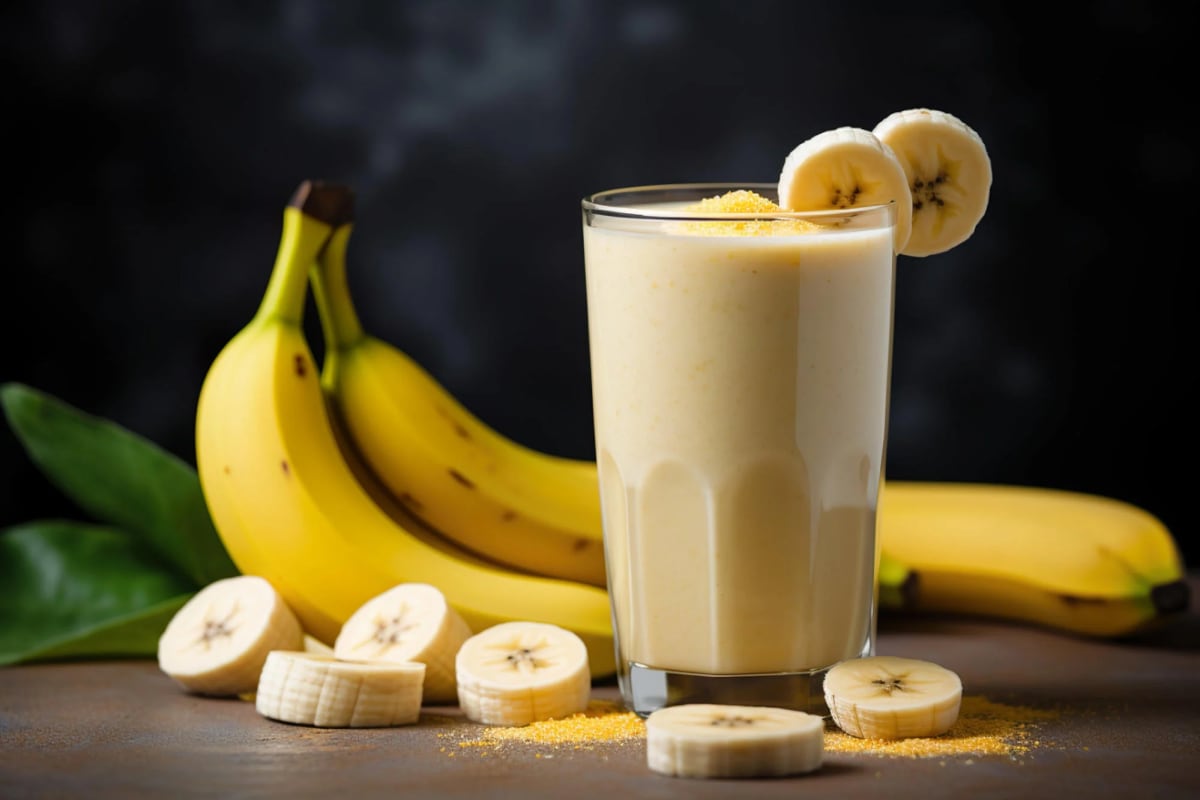
That morning smoothie packed with berries and bananas may not be delivering the health benefits you expect. A study from the University of California Davis has uncovered a surprising interaction between common smoothie ingredients that could dramatically reduce the body’s ability to absorb flavanols, plant compounds linked to improved heart and brain function. The culprit is not the banana itself, but an enzyme that triggers browning when the fruit is cut or blended, interfering with the absorption of these beneficial nutrients from other ingredients like berries and cocoa. The findings challenge the assumption that all fruit combinations in smoothies are equally nutritious. While bananas provide fiber and potassium, their high levels of polyphenol oxidase (PPO) appear to degrade flavanols during digestion, leaving far fewer of these compounds available for the body to use. For those relying on smoothies to boost flavanol intake, particularly from berries, grapes, or cocoa, the research suggests a simple swap could make a significant difference in nutritional outcomes.
Clinical Significance
The study, published in Food & Function, highlights a previously overlooked factor in dietary nutrition: how food combinations affect nutrient bioavailability. Flavanols, a subclass of flavonoids, have been associated with cardiovascular and cognitive benefits in numerous studies. The Academy of Nutrition and Dietetics recommends a daily intake of 400 to 600 milligrams of flavanols for cardiometabolic health, emphasizing whole food sources like tea, apples, berries, and cocoa. The UC Davis findings suggest that even well intentioned dietary choices may fall short if ingredient interactions are not considered.
Deep Dive and Research Findings
The research team, led by Javier Ottaviani of Mars Edge and UC Davis, designed a controlled study to measure how PPO activity in bananas affects flavanol absorption. Participants consumed three different test drinks: a banana based smoothie, a mixed berry smoothie, and a flavanol capsule as a control. Blood and urine samples revealed that those who drank the banana smoothie had 84% lower flavanol levels compared to the control, while the berry smoothie produced levels similar to the capsule.
A second experiment tested whether separating the banana from flavanol rich ingredients before consumption would mitigate the effect. Even when the banana was not blended with berries, flavanol absorption remained reduced, suggesting that PPO activity continues to play a role after ingestion, possibly in the stomach. The study’s small sample size, eight participants in the first test and 11 in the second, limits broad generalizations, but the results provide a compelling case for further investigation.
Future Outlook and Medical Implications
The findings add to a growing body of research on flavanols and their potential health benefits. Recent studies, including the COSMOS trial, have explored cocoa flavanols for cognitive function, with mixed results. While broad cognitive benefits were not observed, some analyses suggested potential advantages for older adults with lower quality diets. The UC Davis study underscores the importance of preparation methods in maximizing flavanol intake, particularly for individuals targeting specific health outcomes.
Ottaviani noted that the research could extend beyond smoothies. Tea, another major source of flavanols, may also be affected by preparation techniques that alter nutrient availability. "This is an area that deserves more attention in the field of polyphenols and bioactive compounds," he said. Future studies may explore whether other high PPO foods, such as apples or pears, produce similar effects when combined with flavanol rich ingredients.
Patient or Practitioner Guidance
For consumers aiming to optimize flavanol intake, the study offers practical advice. If the goal is to maximize the benefits of berries, grapes, or cocoa, pairing them with low PPO ingredients like pineapple, oranges, mango, or yogurt may be a better choice than bananas. These alternatives can provide sweetness and creaminess without the enzyme activity that degrades flavanols.
Bananas remain a nutritious food, offering fiber, potassium, and other essential nutrients. The key takeaway is not to eliminate them but to consider their role in specific dietary contexts. For example, a banana can still be enjoyed in a smoothie focused on potassium or fiber, while berries or cocoa might be better paired with low PPO ingredients when flavanol intake is the priority.
Nutrition experts caution against overreacting to the findings. "Smoothies with bananas can still be part of a healthy, varied diet," said one commentator. Individual factors like digestion, overall nutrient intake, and food patterns also play a role in nutritional outcomes. The study serves as a reminder that food interactions matter, and small adjustments in ingredient choices can have meaningful effects on health.
Key Takeaways
- Adding bananas to berry smoothies can reduce flavanol absorption by up to 84% due to the enzyme polyphenol oxidase (PPO).
- Flavanols, found in berries, cocoa, and grapes, are linked to heart and cognitive health benefits.
- For flavanol rich smoothies, opt for low PPO ingredients like pineapple, oranges, mango, or yogurt instead of bananas.
- Bananas remain nutritious for fiber and potassium but may not be ideal when maximizing flavanol intake.
- The study highlights the importance of food combinations in determining nutrient bioavailability.
Frequently Asked Questions
What are flavanols, and why are they important?
Flavanols are natural plant compounds found in foods like berries, cocoa, grapes, and tea. They are associated with cardiovascular and cognitive health benefits, including improved blood flow, blood pressure regulation, and potential brain function support. The Academy of Nutrition and Dietetics recommends 400 to 600 milligrams of flavanols daily for cardiometabolic health.
How do bananas affect flavanol absorption?
Bananas contain high levels of polyphenol oxidase (PPO), an enzyme that triggers browning when the fruit is cut or blended. PPO can degrade flavanols during digestion, reducing their absorption in the body. The UC Davis study found that banana based smoothies led to 84% lower flavanol levels compared to a control.
Can I still eat bananas if I want to get flavanols from other foods?
Yes, bananas are still a healthy food choice for fiber, potassium, and other nutrients. If your goal is to maximize flavanol intake from berries, cocoa, or grapes, consider pairing them with low PPO ingredients like pineapple, oranges, mango, or yogurt instead of bananas. You can also enjoy bananas separately from flavanol rich foods.
Are there other foods that might have a similar effect on flavanols?
The study focused on bananas, but other fruits with high PPO activity, such as apples and pears, could potentially have a similar effect. More research is needed to determine how other foods interact with flavanols during digestion.
Should I stop making smoothies with bananas altogether?
No, there is no need to eliminate bananas from your diet. The study suggests that ingredient combinations matter when targeting specific nutrients like flavanols. If your smoothie is focused on other health goals, such as potassium or fiber intake, bananas can still be a valuable addition.
Medical Review: MedSense Editorial Board





















DISCUSSION (0)
POST A COMMENT