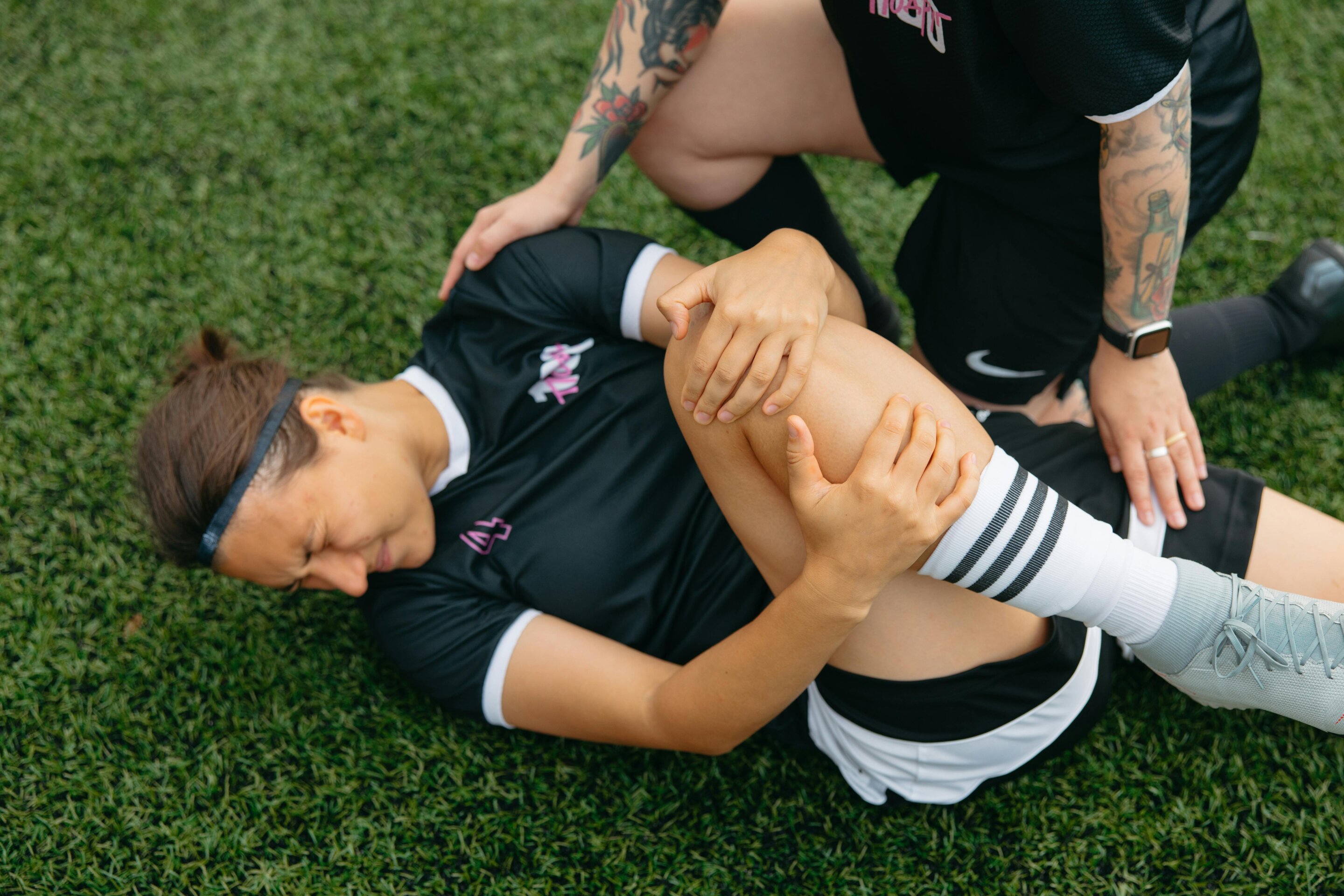
Australia performs more anterior cruciate ligament (ACL) reconstructions per capita than any other country, a trend closely tied to its culture of high impact sports. But as surgical rates climb, clinicians and athletes are questioning whether the knife is always the best solution for ACL tears.
What Happened
Australia’s annual tally of ACL reconstruction surgeries has steadily increased over the past decade, reaching rates far above those in comparable nations. The surge aligns with the popularity of sports like Australian rules football, rugby league, and basketball, where knee injuries are common. While surgery has long been the default treatment for complete ACL tears, particularly among competitive athletes, growing evidence suggests that not all patients require immediate reconstruction.
Why Public Health Officials Are Concerned
Public health experts warn that the high volume of ACL surgeries may reflect overreliance on surgical intervention rather than a proportional rise in injuries. The Australian Institute of Health and Welfare reports that knee reconstructions are among the most frequently performed orthopedic procedures in the country. Critics argue that some patients could benefit from non surgical rehabilitation, especially those with partial tears or lower activity demands.
Symptoms or Risk Factors
ACL injuries often occur during sudden deceleration, pivoting, or awkward landings, producing a popping sensation at the time of injury. Swelling within hours and instability while bearing weight are common signs. Athletes in sports involving rapid direction changes face the highest risk, but recreational participants are also vulnerable. Women have a higher incidence of ACL tears than men, likely due to biomechanical and hormonal factors.
Who May Be Affected
While elite athletes and young adults dominate the narrative around ACL injuries, the burden extends to weekend warriors, adolescents in school sports, and older adults returning to physical activity. Rural and regional communities, where access to specialized orthopedic care may be limited, face additional challenges in navigating treatment options.
Government or WHO Response
The Australian government has not issued formal guidelines discouraging ACL surgery, but Sports Medicine Australia and the Australian Orthopaedic Association have emphasized individualized care. The National Health and Medical Research Council supports evidence based rehabilitation programs as first line treatment for many patients. Internationally, the World Health Organization has highlighted the need for standardized protocols to reduce unnecessary surgeries.
Prevention and Safety Guidance
Preventive strategies include neuromuscular training programs that improve landing mechanics and reduce ACL injury risk by up to 50% in female athletes. The FIFA 11+ program and similar protocols are recommended for youth and amateur sports. Proper warm up routines, strength training, and gradual return to sport protocols after injury are critical. Clinicians advise against rushing into surgery without exploring conservative management for partial tears or less active individuals.
What Readers Should Know
Not all ACL tears require surgery. Non surgical options, including physiotherapy and bracing, can restore function for many patients, particularly those with partial tears or lower activity levels. Shared decision making between patients and clinicians is essential. Those considering surgery should seek second opinions and fully understand recovery timelines, which often exceed six months. Insurance coverage and out of pocket costs vary, adding another layer of complexity to treatment choices.
Key Takeaways
- Australia performs more ACL reconstructions per capita than any other country, raising concerns about overuse of surgery.
- Non surgical rehabilitation can be effective for partial tears or less active individuals, challenging the default surgical approach.
- Prevention programs like FIFA 11+ reduce ACL injury risk by up to 50% in high risk groups.
- Shared decision making between patients and clinicians is critical to avoid unnecessary procedures.
- Rural and regional communities face unique challenges in accessing specialized orthopedic care.
Frequently Asked Questions
What are the alternatives to ACL surgery?
For partial ACL tears or patients with lower activity demands, non surgical options include physiotherapy, bracing, and neuromuscular training. These approaches focus on strengthening surrounding muscles and improving joint stability.
How long does ACL recovery take after surgery?
Full recovery from ACL reconstruction typically takes 9 to 12 months, including rehabilitation. Return to sport timelines vary based on individual progress and the type of surgery performed.
Are women at higher risk for ACL injuries?
Yes, women have a higher incidence of ACL tears than men, likely due to differences in anatomy, hormones, and biomechanics. Prevention programs tailored for female athletes can reduce this risk.
Does insurance cover non surgical ACL treatment?
Coverage varies by insurer and policy. Physiotherapy and bracing may be partially covered, but patients should verify their specific plan details. Some insurers require prior authorization for non surgical options.
What should I ask my doctor before deciding on ACL surgery?
Key questions include the pros and cons of surgery versus rehabilitation, expected recovery timeline, risk of re injury, and long term joint health implications. A second opinion can provide additional clarity.
Medical Review: MedSense Editorial Board





DISCUSSION (0)
POST A COMMENT