What Happened
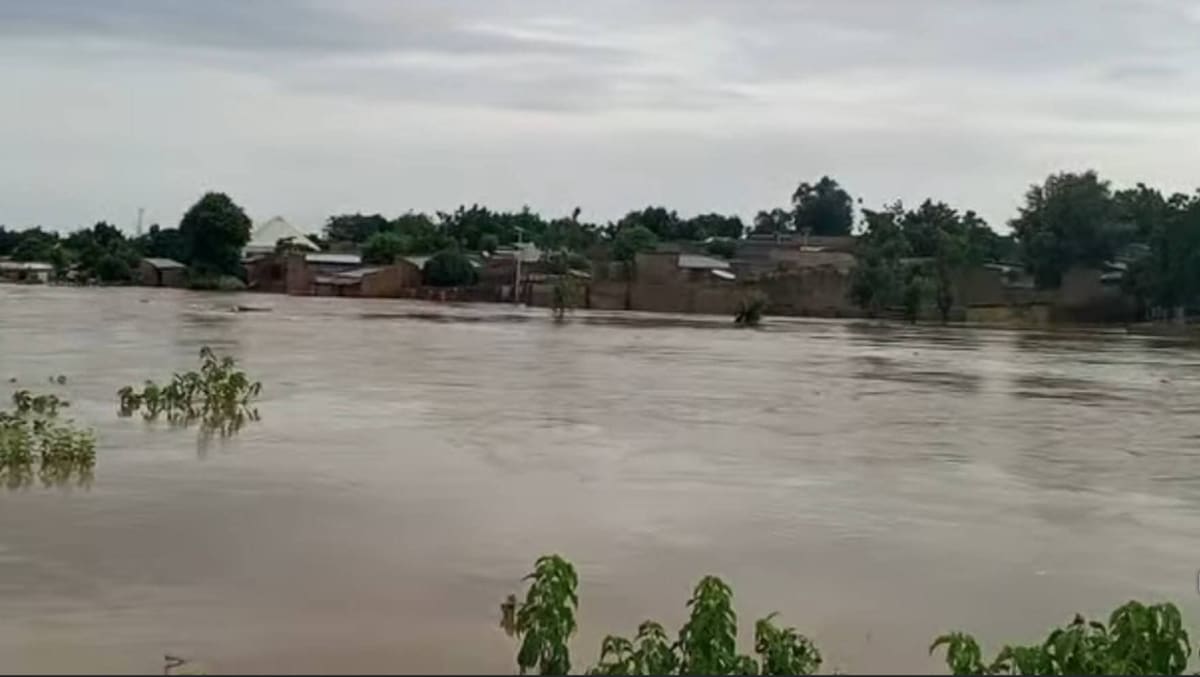
Heavy and sustained rainfall over the past week has triggered severe flooding in Anambra State, with the worst affected areas being Ogidi in Idemili North Local Government Area and Ifite Awka in Awka South. Eyewitness accounts and local reports confirm that floodwaters have submerged residential buildings, farmlands, and critical infrastructure, displacing hundreds of families. The flooding follows a pattern of seasonal inundation in the region, but the scale this year has overwhelmed local coping mechanisms.
Why Public Health Officials Are Concerned
Flooding poses a multifaceted threat to public health. The immediate risks include drowning and physical injuries, but the longer term dangers are far more insidious. Stagnant floodwaters become breeding grounds for mosquitoes, increasing the risk of malaria and dengue fever. Contaminated water supplies can lead to outbreaks of cholera, typhoid, and hepatitis A, while disrupted sanitation systems heighten the spread of diarrheal diseases. Additionally, the displacement of communities strains healthcare facilities, which may already be under resourced, further delaying treatment for chronic conditions and routine vaccinations.
Public health officials are particularly concerned about the psychological toll on affected residents. The loss of homes, livelihoods, and community stability can exacerbate mental health challenges, including anxiety, depression, and post traumatic stress disorder. Children and the elderly are especially vulnerable to these secondary effects, which often go unaddressed in the chaos of disaster response.
Who May Be Affected
The flooding disproportionately impacts low income communities, where housing structures are often less resilient and access to resources is limited. Farmers in the affected areas face the destruction of crops and livestock, threatening food security for both local consumption and regional markets. Women and children, who are more likely to be responsible for water collection and household sanitation, bear a heavier burden during such crises, as they are exposed to contaminated water and increased caregiving demands.
Healthcare workers in the region are also at risk, as they navigate flooded roads and overcrowded facilities to provide care. The disruption of supply chains for medical supplies and essential medicines could further compromise their ability to respond effectively.
Government and Local Response
Local authorities in Anambra State have begun assessing the damage and coordinating relief efforts, though the scale of the crisis has strained resources. The State Emergency Management Agency (SEMA) has been activated, with teams deployed to affected areas to provide temporary shelter, food, and medical supplies. However, residents have reported delays in assistance, citing bureaucratic hurdles and limited manpower as key challenges.
The Nigerian Meteorological Agency (NiMet) had earlier issued warnings about above average rainfall this season, urging states to prepare for potential flooding. Despite these alerts, many communities were caught unprepared, highlighting gaps in disaster preparedness and early warning systems. The National Emergency Management Agency (NEMA) has pledged support, but the effectiveness of these efforts will depend on swift and coordinated action at the state and local levels.
Prevention and Safety Guidance
For residents in flood prone areas, public health experts recommend the following precautions to minimize risks:
- Avoid contact with floodwaters: Floodwaters may be contaminated with sewage, chemicals, or debris. Wading through them increases the risk of skin infections, wounds, and waterborne diseases.
- Use safe water sources: Boil or treat water before drinking or cooking. If clean water is unavailable, use bottled water or water purification tablets.
- Practice good hygiene: Wash hands frequently with soap and clean water, especially before eating or preparing food. If soap is unavailable, use an alcohol based hand sanitizer.
- Protect against mosquitoes: Use insecticide treated bed nets and wear long sleeves and pants to reduce the risk of mosquito borne illnesses like malaria.
- Seek medical attention promptly: If you or a family member develop symptoms such as diarrhea, fever, or skin infections, seek care at the nearest health facility immediately.
- Secure food supplies: Store food in sealed containers to prevent contamination. Discard any food that may have come into contact with floodwaters.
For those displaced by the flooding, temporary shelters should be equipped with basic sanitation facilities, clean water, and medical support to prevent disease outbreaks. Community leaders and local organizations play a critical role in disseminating accurate information and coordinating relief efforts.
What Readers Should Know
The Anambra flooding is a stark reminder of the intersection between climate change, urban planning, and public health. As extreme weather events become more frequent, communities must prioritize resilience building measures, such as improved drainage systems, flood resistant infrastructure, and early warning systems. For now, the focus remains on immediate relief and preventing a secondary health crisis. Residents are urged to stay informed through official channels and adhere to safety guidelines to protect themselves and their families.
Long term solutions will require collaboration between government agencies, non governmental organizations, and local communities to address the root causes of flooding and build sustainable systems for disaster response. Until then, the health and well being of Anambra’s residents hang in the balance.
Key Takeaways
- Persistent flooding in Anambra State has submerged homes and farmlands, displacing hundreds and raising public health concerns.
- Stagnant floodwaters increase the risk of waterborne diseases, mosquito borne illnesses, and mental health challenges for affected communities.
- Low income families, farmers, and vulnerable groups such as children and the elderly are disproportionately impacted by the crisis.
- Local and national agencies are coordinating relief efforts, but delays and resource constraints remain significant challenges.
- Residents should avoid contact with floodwaters, use safe water sources, and seek medical attention for symptoms of illness to reduce health risks.
Frequently Asked Questions
What are the immediate health risks associated with flooding?
Flooding poses several immediate health risks, including drowning, physical injuries from debris, and exposure to contaminated water. Longer term risks include waterborne diseases like cholera and typhoid, mosquito borne illnesses such as malaria, and mental health challenges due to displacement and loss of livelihoods.
How can residents protect themselves during and after a flood?
Residents should avoid contact with floodwaters, use safe water sources for drinking and cooking, practice good hygiene, and protect against mosquitoes. It’s also important to seek medical attention promptly if symptoms of illness develop and to secure food supplies to prevent contamination.
What is the government doing to address the flooding in Anambra?
The State Emergency Management Agency (SEMA) and the National Emergency Management Agency (NEMA) are coordinating relief efforts, including providing temporary shelter, food, and medical supplies. However, residents have reported delays in assistance, highlighting the need for improved disaster preparedness and response systems.
Why are children and the elderly more vulnerable during floods?
Children and the elderly are more vulnerable due to weaker immune systems, limited mobility, and higher susceptibility to dehydration and waterborne diseases. They are also more likely to experience psychological distress from displacement and disruption of routine care.
What long term measures can prevent flooding in flood prone areas?
Long term measures include improving drainage systems, constructing flood resistant infrastructure, implementing early warning systems, and enforcing land use policies to prevent building in high risk areas. Community education and resilience building programs are also essential to prepare for future disasters.
Medical Review: MedSense Editorial Board






















DISCUSSION (0)
POST A COMMENT