What Is Vitamin B5 (Pantothenic Acid)?
Vitamin B5, or pantothenic acid, is a water soluble vitamin that belongs to the B complex family. The name "pantothenic" comes from the Greek word "pantos," meaning "everywhere," which reflects how widely it is found in foods. This vitamin is crucial for the synthesis of coenzyme A (CoA), a molecule that helps your body break down carbohydrates, fats, and proteins into energy. CoA also plays a role in the production of hormones, cholesterol, and neurotransmitters, making Vitamin B5 important for many bodily functions.
Unlike some vitamins that have very specific roles, Vitamin B5 is involved in a broad range of processes. It supports the health of your nervous system, aids in red blood cell production, and helps maintain healthy skin and hair. Because it is involved in so many functions, a deficiency in Vitamin B5 can affect multiple systems in your body, though such deficiencies are rare in healthy individuals with balanced diets.
Why Does Vitamin B5 Matter?
Vitamin B5 matters because it is fundamental to your body’s ability to produce energy. Every cell in your body relies on CoA, which is derived from pantothenic acid, to metabolize nutrients and generate the energy needed for daily activities. Without adequate Vitamin B5, your body would struggle to convert the food you eat into usable energy, leading to fatigue and other metabolic issues.
Beyond energy production, Vitamin B5 supports brain health by contributing to the synthesis of neurotransmitters like acetylcholine, which is essential for memory and learning. It also plays a role in the production of stress related hormones in the adrenal glands, which is why it is sometimes referred to as an "anti stress" vitamin. Additionally, Vitamin B5 is involved in the synthesis of cholesterol and fatty acids, which are important for cell membrane structure and hormone production.
For your skin, Vitamin B5 has been shown to help with wound healing and may reduce acne when used topically or taken as a supplement. Some studies suggest it can improve skin hydration and reduce signs of aging, though more research is needed to confirm these effects. Overall, while Vitamin B5 may not be the most talked about nutrient, its contributions to energy, brain function, and skin health make it indispensable.
Who Needs Vitamin B5?
Virtually everyone needs Vitamin B5 because it is essential for basic metabolic functions. However, certain groups may have higher requirements or be at greater risk of deficiency. Pregnant and breastfeeding women, for example, need slightly more Vitamin B5 to support the increased metabolic demands of their bodies and their growing babies. Similarly, people with high levels of physical activity, such as athletes, may require more pantothenic acid due to their increased energy expenditure.
Individuals with certain medical conditions, such as alcohol use disorder, inflammatory bowel disease (IBD), or celiac disease, may also be at higher risk of deficiency. These conditions can impair nutrient absorption in the gut, making it harder for the body to obtain sufficient Vitamin B5 from food. Additionally, people who have undergone gastric bypass surgery may need to monitor their Vitamin B5 levels, as the surgery can reduce the body’s ability to absorb nutrients effectively.
While deficiency is rare, it can occur in cases of severe malnutrition or in individuals with genetic disorders that affect pantothenic acid metabolism. Symptoms of deficiency may include fatigue, numbness or tingling in the hands and feet, muscle cramps, and irritability. If you fall into one of these higher risk groups, it may be worth discussing your Vitamin B5 intake with a healthcare provider.
Food Sources of Vitamin B5
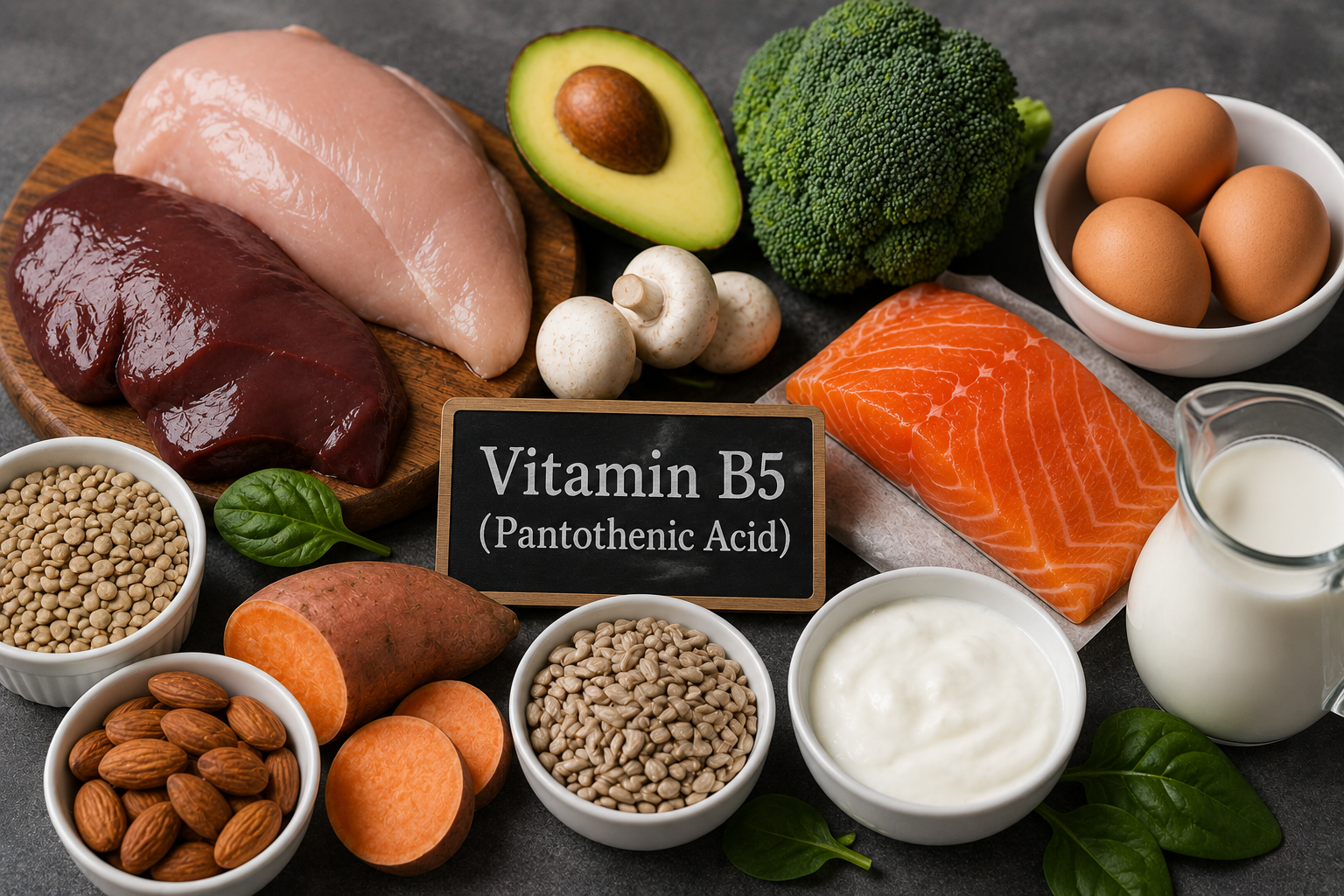
One of the reasons Vitamin B5 deficiency is uncommon is that it is found in a wide variety of foods. Both plant based and animal based foods contain pantothenic acid, making it relatively easy to meet your daily needs through a balanced diet. Some of the richest sources include organ meats like liver and kidney, which provide high concentrations of the vitamin. However, if you do not eat organ meats, there are plenty of other options.
Whole grains, such as brown rice, whole wheat, and oats, are excellent sources of Vitamin B5. Legumes like lentils, chickpeas, and split peas also provide significant amounts. For those who eat animal products, eggs, chicken, beef, and dairy products like milk and yogurt are good sources. Vegetables such as mushrooms, avocados, broccoli, and sweet potatoes also contain pantothenic acid, though in smaller amounts.
Because Vitamin B5 is water soluble, some of it can be lost during cooking, especially if foods are boiled for long periods. To preserve the vitamin content, consider steaming or microwaving vegetables instead of boiling them. Eating a varied diet that includes a mix of these foods will help ensure you get enough Vitamin B5 without needing to track your intake closely.
Daily Requirements and Supplementation
The recommended daily intake of Vitamin B5 varies by age, sex, and life stage. For most adults, the adequate intake (AI) is set at 5 milligrams per day. Pregnant women are advised to consume 6 milligrams daily, while breastfeeding women should aim for 7 milligrams. Children’s needs range from 1.7 milligrams for infants to 5 milligrams for adolescents, depending on their age.
Most people can meet these requirements through diet alone, and supplementation is rarely necessary. However, some individuals, such as those with malabsorption issues or certain genetic conditions, may benefit from taking a Vitamin B5 supplement. Supplements are available in various forms, including pantothenic acid and calcium pantothenate, and are often included in B complex vitamins or multivitamins.
While Vitamin B5 is generally considered safe, taking very high doses (several grams per day) can cause side effects such as diarrhea or digestive discomfort. There is no established upper limit for pantothenic acid, but it is always best to consult a healthcare provider before starting any new supplement, especially if you have underlying health conditions or are taking medications.
Signs of Vitamin B5 Deficiency and When to Seek Care
Vitamin B5 deficiency is rare, but when it does occur, it can lead to a range of symptoms. Early signs may include fatigue, irritability, and a general sense of malaise. As the deficiency progresses, more specific symptoms can develop, such as numbness or burning sensations in the hands and feet, muscle cramps, and difficulty sleeping. In severe cases, deficiency may lead to neurological symptoms like depression, personality changes, or even seizures.
Because these symptoms can be vague and overlap with other nutritional deficiencies or health conditions, it is important not to self diagnose. If you experience persistent fatigue, neurological symptoms, or other concerning signs, it is best to consult a healthcare provider. They can perform blood tests or other evaluations to determine whether a deficiency or another underlying issue is the cause.
In most cases, addressing a Vitamin B5 deficiency involves increasing your intake of pantothenic acid rich foods or taking a supplement under medical supervision. If the deficiency is due to an underlying condition, such as malabsorption, treating that condition will also be necessary to restore your Vitamin B5 levels to normal.
What Experts Recommend
Nutrition experts agree that the best way to meet your Vitamin B5 needs is through a balanced diet that includes a variety of nutrient dense foods. Since pantothenic acid is found in so many foods, focusing on whole, unprocessed foods like whole grains, lean proteins, and vegetables will naturally provide adequate amounts. Experts also emphasize the importance of avoiding overly restrictive diets, which can increase the risk of deficiencies in essential nutrients, including Vitamin B5.
For individuals who may be at higher risk of deficiency, such as those with malabsorption disorders or pregnant women, experts recommend working with a healthcare provider or registered dietitian to assess nutrient needs. In some cases, a supplement may be recommended, but it should be used under professional guidance to avoid unnecessary or excessive intake.
Researchers continue to explore the potential benefits of Vitamin B5 beyond its established roles. For example, some studies are investigating its effects on skin health, stress reduction, and even cholesterol management. While these areas show promise, experts caution that more research is needed before specific recommendations can be made. For now, the focus remains on obtaining Vitamin B5 through a healthy diet and addressing deficiencies when they arise.
Key Takeaways
- Vitamin B5 (pantothenic acid) is a water soluble B vitamin essential for energy metabolism, brain function, and skin health.
- It is found in a wide variety of foods, including whole grains, legumes, eggs, meat, and vegetables, making deficiency rare in healthy individuals.
- Most adults need about 5 milligrams of Vitamin B5 per day, with slightly higher amounts recommended for pregnant and breastfeeding women.
- Symptoms of deficiency may include fatigue, numbness, muscle cramps, and neurological issues, though these are uncommon.
- While supplements are available, they are rarely necessary for most people and should be used under medical supervision if needed.
Frequently Asked Questions
What happens if I don’t get enough Vitamin B5?
A deficiency in Vitamin B5 is rare but can cause symptoms like fatigue, numbness or tingling in the hands and feet, muscle cramps, irritability, and in severe cases, neurological issues. Most people get enough through their diet, but those with malabsorption disorders or very restrictive diets may be at higher risk.
Can I take too much Vitamin B5?
Vitamin B5 is generally safe, and there is no established upper limit for intake. However, very high doses (several grams per day) may cause digestive discomfort, such as diarrhea. It is always best to consult a healthcare provider before taking high dose supplements.
Is Vitamin B5 good for my skin?
Vitamin B5 plays a role in skin health and wound healing. Some studies suggest it may help reduce acne and improve skin hydration, especially when used topically. However, more research is needed to fully understand its effects on skin.
Do I need to take a Vitamin B5 supplement?
Most people do not need a Vitamin B5 supplement because they can get enough from their diet. However, individuals with malabsorption issues, certain genetic conditions, or those who have undergone gastric bypass surgery may benefit from supplementation under medical supervision.
What are the best food sources of Vitamin B5?
Vitamin B5 is found in a wide range of foods, including organ meats (like liver), whole grains (such as brown rice and oats), legumes (like lentils and chickpeas), eggs, chicken, beef, dairy products, mushrooms, avocados, and broccoli.
Medical Review: MedSense Editorial Board
DISCUSSION (0)
POST A COMMENT