What Is Schizophrenia and Why Does Research Matter?
Schizophrenia is a chronic brain disorder characterized by symptoms such as hallucinations, delusions, disorganized thinking, and cognitive difficulties. It typically emerges in late adolescence or early adulthood and can significantly impact a person’s ability to function in daily life. Despite its challenges, schizophrenia is treatable, and research plays a critical role in improving outcomes. Understanding the biological, genetic, and environmental factors behind the disorder helps scientists develop better therapies, early intervention strategies, and supportive care approaches.
Research also combats stigma by replacing myths with facts. Many people mistakenly believe schizophrenia involves a "split personality" or that those affected are inherently violent. In reality, schizophrenia is a medical condition like diabetes or heart disease, and individuals with the disorder are far more likely to be victims of violence than perpetrators. By advancing knowledge, research fosters empathy, reduces discrimination, and encourages early help seeking behaviors.
Key Areas of Schizophrenia Research
Scientists are investigating schizophrenia from multiple angles, each offering unique insights into the disorder. One major focus is genetics. Studies have shown that schizophrenia has a strong hereditary component, with hundreds of genes potentially contributing to its development. Large scale genetic research, such as the Psychiatric Genomics Consortium, has identified specific genetic variations linked to schizophrenia, though no single "schizophrenia gene" exists. These findings help explain why some families have a higher risk and may pave the way for personalized treatments.
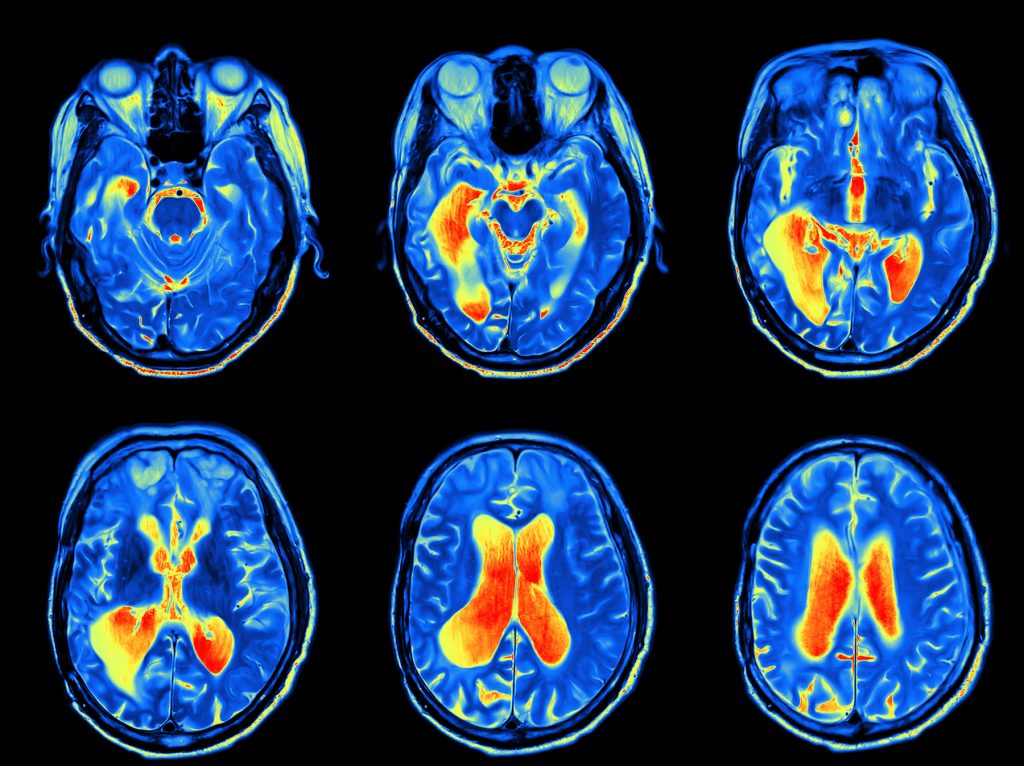
Another critical area is neurobiology, which examines how brain structure and function differ in people with schizophrenia. Advanced imaging techniques, like MRI and PET scans, have revealed abnormalities in brain regions involved in perception, emotion, and decision making. For example, some studies show reduced gray matter volume in the prefrontal cortex and hippocampus, areas responsible for memory and executive function. Researchers are also exploring how neurotransmitters, such as dopamine and glutamate, contribute to symptoms. These insights are guiding the development of new medications that target specific brain pathways.
Environmental and developmental factors are also under investigation. Prenatal exposures, such as maternal infections or malnutrition, have been linked to an increased risk of schizophrenia. Childhood trauma, social isolation, and substance use, particularly cannabis, may also play a role. Research in this area aims to identify modifiable risk factors and protective strategies, such as prenatal care, early intervention programs, and community support systems.
Advances in Treatment and Care
While there is no cure for schizophrenia, research has led to significant improvements in treatment. Antipsychotic medications remain the cornerstone of care, helping to manage symptoms like hallucinations and delusions. First generation antipsychotics, such as haloperidol, were introduced in the 1950s, but they often caused severe side effects like movement disorders. Second generation or "atypical" antipsychotics, such as risperidone and olanzapine, emerged in the 1990s and are generally better tolerated, though they can still cause weight gain and metabolic issues.
Recent research has focused on developing medications with fewer side effects and broader efficacy. For example, long acting injectable antipsychotics reduce the need for daily pills and improve adherence. Cognitive remediation therapy, a form of brain training, is showing promise in helping patients improve memory, attention, and problem solving skills. Additionally, coordinated specialty care programs, which combine medication, therapy, family education, and supported employment, have been proven to improve outcomes for people experiencing their first episode of psychosis.
Non pharmacological interventions are also gaining attention. Psychosocial therapies, such as cognitive behavioral therapy for psychosis (CBTp), help individuals challenge distressing beliefs and develop coping strategies. Family psychoeducation programs provide loved ones with tools to support recovery while reducing stress and conflict at home. Research into these approaches highlights the importance of holistic care that addresses both symptoms and quality of life.
Challenges and Unanswered Questions
Despite progress, schizophrenia research faces several challenges. One major hurdle is the heterogeneity of the disorder. Schizophrenia manifests differently in each person, making it difficult to identify universal causes or treatments. For example, some individuals experience predominantly positive symptoms (e.g., hallucinations), while others struggle with negative symptoms (e.g., social withdrawal) or cognitive impairments. This variability complicates research and underscores the need for personalized medicine approaches.
Another challenge is the lack of objective diagnostic tools. Currently, schizophrenia is diagnosed based on clinical interviews and symptom assessments, which can be subjective. Researchers are exploring biomarkers, such as blood tests or brain imaging patterns, that could provide more precise diagnoses. However, these tools are not yet widely available, and their development requires further study.
Funding and participation in research are also ongoing concerns. Mental health research, including schizophrenia studies, is often underfunded compared to other medical fields. Additionally, recruiting participants for clinical trials can be difficult due to stigma, mistrust, or logistical barriers. Efforts to increase public awareness and engagement in research are essential to accelerating progress.
What the Future Holds
The future of schizophrenia research is promising, with several exciting avenues under exploration. One area of interest is early intervention. Studies suggest that the sooner treatment begins after the onset of symptoms, the better the long term outcomes. Programs like RAISE (Recovery After an Initial Schizophrenia Episode) are testing whether intensive, early care can alter the course of the disorder and improve recovery rates.
Another frontier is the role of inflammation and the immune system. Emerging evidence suggests that immune dysfunction may contribute to schizophrenia in some individuals. Anti inflammatory drugs and other immune modulating treatments are being investigated as potential adjunct therapies. Additionally, researchers are exploring the gut brain axis, examining how gut bacteria may influence brain function and mental health.
Technology is also transforming research and care. Digital tools, such as smartphone apps and wearable devices, are being used to monitor symptoms, track medication adherence, and deliver therapy remotely. Virtual reality is being tested as a tool for social skills training and exposure therapy. These innovations have the potential to make care more accessible and personalized.
How Patients and Families Can Get Involved
Research relies on the participation of patients, families, and communities. If you or a loved one is living with schizophrenia, consider joining a clinical trial or research study. Organizations like the National Institute of Mental Health (NIMH) and the Schizophrenia & Psychosis Action Alliance provide resources and listings of ongoing studies. Participation not only advances science but can also provide access to cutting edge treatments and support.
Advocacy is another powerful way to contribute. Supporting mental health organizations, sharing personal stories, and educating others about schizophrenia can help reduce stigma and increase funding for research. Families can also benefit from joining support groups, where they can connect with others facing similar challenges and learn about the latest research findings.
When to Seek Help
Schizophrenia is a treatable condition, and early intervention can make a significant difference. If you or someone you know is experiencing symptoms such as persistent hallucinations, delusions, disorganized speech, or social withdrawal, it is important to seek help from a mental health professional. Early signs may also include unusual thoughts, difficulty concentrating, or changes in sleep or behavior. A thorough evaluation can determine whether symptoms are related to schizophrenia or another condition, such as bipolar disorder or severe depression.
Treatment typically involves a combination of medication, therapy, and support services. While recovery looks different for everyone, many people with schizophrenia lead fulfilling lives with the right care. If you are unsure where to start, your primary care doctor can provide a referral to a psychiatrist or mental health specialist.
What Experts Recommend
Leading mental health organizations, such as the American Psychiatric Association (APA) and the World Health Organization (WHO), emphasize the importance of early, comprehensive care for schizophrenia. Experts recommend a multidisciplinary approach that includes medication management, psychotherapy, family support, and social services. They also stress the need for ongoing research to develop better treatments and improve understanding of the disorder.
For families, experts advise educating themselves about schizophrenia, practicing patience, and fostering open communication. Encouraging treatment adherence, reducing stress at home, and promoting a healthy lifestyle can also support recovery. Mental health professionals can provide guidance on navigating challenges and accessing resources.
Key Takeaways
- Schizophrenia is a complex brain disorder influenced by genetic, biological, and environmental factors, and research is critical to improving diagnosis, treatment, and quality of life.
- Advances in genetics, neurobiology, and treatment have led to better medications, therapies, and coordinated care programs, though challenges like heterogeneity and stigma remain.
- Early intervention, personalized medicine, and emerging technologies, such as digital tools and immune based therapies, offer hope for the future of schizophrenia care.
- Patients and families can contribute to research by participating in studies, advocating for mental health awareness, and accessing support services.
- Seeking help early and following a comprehensive treatment plan can significantly improve outcomes for individuals living with schizophrenia.
Frequently Asked Questions
What causes schizophrenia?
The exact cause of schizophrenia is unknown, but research suggests it results from a combination of genetic, biological, and environmental factors. Genetic predisposition, brain chemistry imbalances, prenatal exposures, and life stressors may all play a role.
Is schizophrenia curable?
There is currently no cure for schizophrenia, but it is a treatable condition. Medications, therapy, and support services can help manage symptoms and improve quality of life. Early intervention and ongoing care are key to better outcomes.
How is schizophrenia diagnosed?
Schizophrenia is diagnosed through a clinical evaluation by a mental health professional. The process typically involves a detailed interview, symptom assessment, and ruling out other conditions. There are no lab tests or imaging scans that can diagnose schizophrenia, though research is exploring potential biomarkers.
What are the latest treatments for schizophrenia?
Recent advances include long acting injectable antipsychotics, cognitive remediation therapy, and coordinated specialty care programs. Research is also exploring immune based therapies, digital tools, and early intervention strategies to improve outcomes.
How can families support a loved one with schizophrenia?
Families can support recovery by educating themselves about the disorder, encouraging treatment adherence, reducing stress at home, and promoting a healthy lifestyle. Joining support groups and accessing family psychoeducation programs can also provide valuable tools and resources.
Can people with schizophrenia live normal lives?
Yes, many people with schizophrenia lead fulfilling lives with the right treatment and support. While symptoms may persist, medications, therapy, and social services can help individuals manage their condition, pursue education or employment, and maintain relationships.
Medical Review: MedSense Editorial Board
DISCUSSION (0)
POST A COMMENT