What Is PTSD and Why Does Research Matter?
Post traumatic stress disorder (PTSD) is a mental health condition that can develop after experiencing or witnessing a traumatic event, such as combat, assault, natural disasters, or accidents. While it is normal to feel fear, anxiety, or distress in the immediate aftermath of trauma, PTSD occurs when these reactions persist long after the event has passed, interfering with daily life, relationships, and overall well being. Symptoms may include flashbacks, nightmares, avoidance of reminders of the trauma, hypervigilance, and emotional numbness.
Research into PTSD is critical because it helps us understand why some people develop the condition while others do not, how trauma affects the brain and body, and which treatments are most effective. Historically, PTSD was often misunderstood or stigmatized, but scientific advancements have shed light on its biological roots and validated the experiences of those who live with it. Today, research is not only improving diagnosis and treatment but also reducing the shame and isolation that many people with PTSD face.
How Has PTSD Research Evolved Over Time?
PTSD research has come a long way since the condition was first formally recognized in the 1980s, when it was included in the Diagnostic and Statistical Manual of Mental Disorders (DSM III). Early studies focused primarily on veterans of war, as PTSD was initially associated with combat trauma. However, researchers soon realized that PTSD could affect anyone who experienced a traumatic event, including survivors of abuse, accidents, or natural disasters. This shift broadened the scope of research and led to a deeper understanding of how trauma impacts diverse populations.
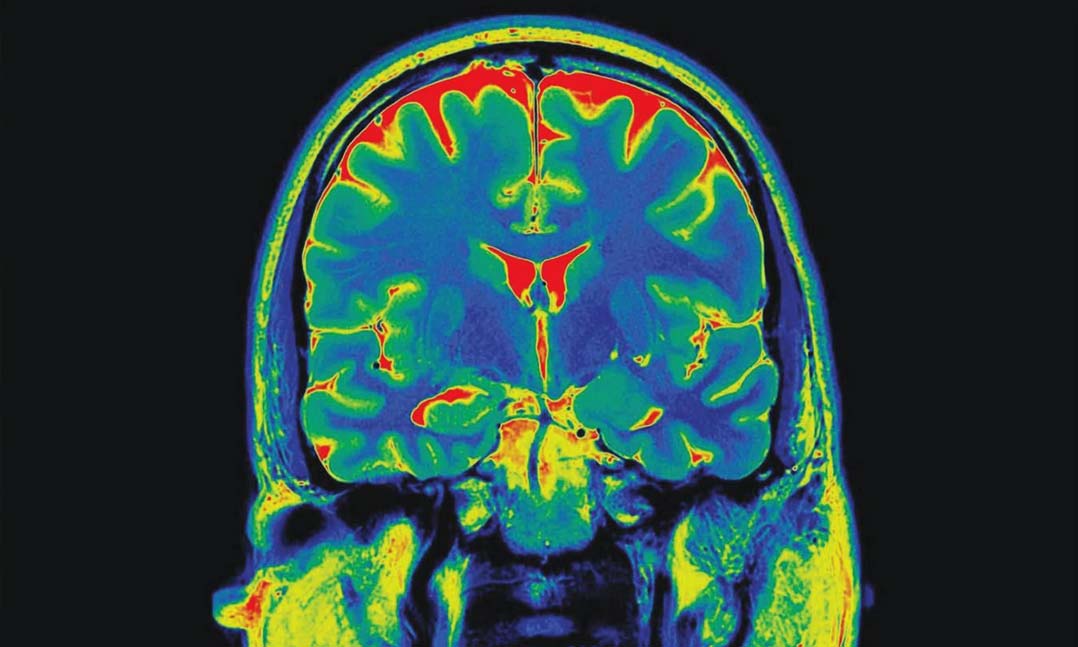
In recent years, advances in neuroscience and brain imaging have revolutionized our understanding of PTSD. Studies using functional MRI (fMRI) and other technologies have shown that trauma can alter the structure and function of key brain regions, such as the amygdala (which processes fear), the hippocampus (involved in memory), and the prefrontal cortex (responsible for decision making and emotional regulation). These findings have helped explain why people with PTSD may struggle with fear responses, memory distortions, and difficulty managing emotions. Additionally, research into the role of genetics and epigenetics has revealed that some individuals may be more vulnerable to PTSD due to inherited factors or changes in gene expression triggered by trauma.
What Are the Latest Breakthroughs in PTSD Treatment?
One of the most exciting areas of PTSD research is the development of new and improved treatments. Traditional therapies, such as cognitive behavioral therapy (CBT) and prolonged exposure therapy, remain highly effective for many people, but researchers are now exploring innovative approaches that target the biological and psychological roots of PTSD more directly. For example, eye movement desensitization and reprocessing (EMDR) has gained recognition as a powerful tool for helping individuals process traumatic memories in a safe and controlled way. Studies have shown that EMDR can reduce the emotional intensity of traumatic memories, allowing people to move forward with less distress.
Medication is another area of active research. While no drug can cure PTSD, certain medications, such as selective serotonin reuptake inhibitors (SSRIs), have been shown to alleviate symptoms like depression, anxiety, and sleep disturbances. Researchers are also investigating the potential of other drugs, including MDMA (commonly known as ecstasy) and ketamine, which have shown promise in clinical trials for reducing PTSD symptoms. These substances are being studied in controlled, therapeutic settings to determine their safety and efficacy, with early results suggesting they may help facilitate emotional processing and reduce fear responses.
Beyond traditional therapies and medications, researchers are exploring complementary and alternative treatments. Mindfulness based therapies, yoga, and acupuncture have all been studied for their potential to reduce PTSD symptoms, particularly in veterans and survivors of interpersonal trauma. While more research is needed to fully understand their benefits, these approaches offer additional options for individuals who may not respond to conventional treatments or who prefer holistic methods.
Who Is Most at Risk for PTSD and Why?
PTSD research has also focused on identifying risk factors that make some individuals more vulnerable to developing the condition after trauma. While anyone can experience PTSD, certain factors may increase the likelihood, including the severity and duration of the trauma, a history of previous trauma or mental health conditions, and a lack of social support. For example, individuals who experience repeated or prolonged trauma, such as childhood abuse or ongoing domestic violence, are at higher risk for developing complex PTSD, a subtype of the condition that involves additional symptoms like difficulty regulating emotions and a negative self concept.
Biological factors also play a role. Research has shown that people with a family history of mental health conditions, such as depression or anxiety, may be more susceptible to PTSD. Additionally, studies have found that women are more likely than men to develop PTSD, though the reasons for this disparity are not fully understood. Some researchers suggest that hormonal differences, socialization, or the types of trauma women are more likely to experience (such as sexual assault) may contribute to this gender gap. Understanding these risk factors is crucial for early intervention and prevention efforts.
How Is PTSD Research Improving Early Intervention and Prevention?
Early intervention is a key focus of PTSD research, as studies have shown that the sooner treatment begins after trauma, the better the outcomes. One promising area of research is the use of psychological first aid (PFA), a supportive intervention designed to help individuals in the immediate aftermath of a traumatic event. PFA focuses on providing safety, comfort, and practical assistance, as well as connecting people with resources and social support. While PFA is not a treatment for PTSD, it can help reduce acute distress and prevent the development of more severe symptoms.
Another area of interest is the use of biomarkers to identify individuals at high risk for PTSD before symptoms fully develop. Biomarkers are measurable indicators, such as changes in brain activity, hormone levels, or genetic markers, that can signal the likelihood of developing a condition. Researchers are exploring whether biomarkers can be used to predict who is most vulnerable to PTSD after trauma, allowing for targeted early interventions. For example, studies have found that elevated levels of the stress hormone cortisol in the immediate aftermath of trauma may be associated with a higher risk of developing PTSD. If validated, such biomarkers could revolutionize early detection and prevention efforts.
What Do Experts Recommend for Managing PTSD?
While research continues to advance, experts agree that a combination of evidence based treatments and self care strategies offers the best path to recovery for most people with PTSD. The first step is often seeking professional help from a mental health provider who specializes in trauma. Therapies like cognitive processing therapy (CPT), prolonged exposure therapy, and EMDR are widely recommended and have been shown to significantly reduce symptoms. Medications, such as SSRIs, can also be helpful for managing co occurring conditions like depression and anxiety.
In addition to professional treatment, experts emphasize the importance of self care and social support. Regular exercise, a healthy diet, and adequate sleep can all help regulate mood and reduce stress. Mindfulness practices, such as meditation and deep breathing, can also be beneficial for managing symptoms like hypervigilance and emotional reactivity. Building a strong support network of friends, family, or support groups can provide a sense of safety and connection, which is essential for healing. Finally, experts caution against self medicating with alcohol or drugs, as these can worsen symptoms and interfere with recovery.
When Should Someone Seek Help for PTSD?
PTSD can be a debilitating condition, but it is also highly treatable. If you or someone you know is experiencing symptoms of PTSD, such as intrusive memories, avoidance behaviors, or emotional numbness, it is important to seek help as soon as possible. Early intervention can prevent symptoms from worsening and improve long term outcomes. Signs that professional help may be needed include difficulty functioning at work or school, strained relationships, or feelings of hopelessness or despair. If symptoms persist for more than a month after a traumatic event, or if they interfere with daily life, it is a good idea to consult a mental health professional.
For those who are hesitant to seek help, it is important to remember that PTSD is not a sign of weakness. It is a natural response to an overwhelming experience, and recovery is possible with the right support. Many people with PTSD find relief through therapy, medication, or a combination of both. Support groups, both in person and online, can also provide a safe space to share experiences and learn from others who are on a similar journey. If you are unsure where to start, your primary care doctor can be a valuable resource for referrals and guidance.
The Future of PTSD Research: What’s Next?
The future of PTSD research is bright, with scientists exploring new frontiers in understanding and treating the condition. One exciting area of study is the role of neuroplasticity, or the brain’s ability to reorganize itself and form new neural connections. Research suggests that therapies like EMDR and mindfulness may help rewire the brain’s fear circuits, allowing individuals to process trauma in a healthier way. Additionally, advances in virtual reality (VR) technology are being used to create controlled environments where people can safely confront and process traumatic memories, offering a new tool for exposure therapy.
Another promising avenue is the study of resilience, or the ability to adapt and recover from adversity. Researchers are investigating why some people are more resilient to trauma than others, with the goal of developing interventions that can boost resilience in vulnerable populations. For example, studies have shown that social support, positive coping strategies, and a sense of purpose can all enhance resilience and reduce the risk of developing PTSD. By understanding the factors that promote resilience, researchers hope to develop preventive strategies that can protect individuals from the long term effects of trauma.
Finally, researchers are exploring the potential of personalized medicine for PTSD. Just as treatments for cancer or heart disease are increasingly tailored to an individual’s genetic makeup, scientists are investigating whether PTSD treatments can be customized based on a person’s unique biological and psychological profile. This could lead to more effective and targeted therapies, reducing the trial and error process that many people experience when seeking treatment. While personalized medicine for PTSD is still in its early stages, it represents a promising direction for future research.
Key Takeaways
- PTSD research has made significant strides in understanding the biological, psychological, and social factors that contribute to the condition, leading to more effective treatments and reduced stigma.
- Advances in neuroscience have revealed how trauma alters brain function, particularly in regions involved in fear, memory, and emotional regulation, providing insights into why PTSD symptoms occur.
- Innovative treatments, such as EMDR, MDMA assisted therapy, and ketamine, are showing promise in clinical trials and expanding options for individuals who do not respond to traditional therapies.
- Risk factors for PTSD include the severity and duration of trauma, a history of previous trauma or mental health conditions, and a lack of social support, with women being more likely to develop the condition than men.
- Early intervention, such as psychological first aid and biomarker research, is a key focus of current PTSD research, aiming to prevent the development of severe symptoms and improve long term outcomes.
- Experts recommend a combination of evidence based therapies, medication, self care strategies, and social support for managing PTSD, with early help being crucial for recovery.
- The future of PTSD research includes exploring neuroplasticity, resilience, and personalized medicine, offering hope for even more effective and tailored treatments in the years to come.
Frequently Asked Questions
What is the most effective treatment for PTSD?
The most effective treatments for PTSD are evidence based therapies such as cognitive behavioral therapy (CBT), prolonged exposure therapy, and eye movement desensitization and reprocessing (EMDR). Medications like SSRIs can also help manage symptoms. The best treatment plan depends on the individual, so it is important to work with a mental health professional to find the right approach.
Can PTSD be cured?
While there is no definitive cure for PTSD, many people experience significant relief from symptoms and go on to live fulfilling lives with the right treatment. Therapies like EMDR and CBT can help individuals process trauma and reduce the emotional impact of traumatic memories. Recovery is a journey, and with support, many people find that their symptoms become manageable over time.
How does PTSD affect the brain?
PTSD can alter the structure and function of key brain regions, including the amygdala (which processes fear), the hippocampus (involved in memory), and the prefrontal cortex (responsible for decision making and emotional regulation). These changes can lead to symptoms like hypervigilance, memory distortions, and difficulty managing emotions. Research shows that effective treatments can help rewire these brain circuits over time.
Are there any new medications for PTSD?
While traditional medications like SSRIs remain a common treatment for PTSD, researchers are exploring new options. MDMA and ketamine have shown promise in clinical trials for reducing symptoms, particularly in individuals who have not responded to other treatments. These substances are being studied in controlled, therapeutic settings to ensure safety and efficacy.
What can I do to support a loved one with PTSD?
Supporting a loved one with PTSD involves patience, empathy, and understanding. Encourage them to seek professional help if they haven’t already, and offer to accompany them to appointments if they feel comfortable. Listen without judgment, validate their experiences, and avoid pressuring them to talk about their trauma. Educate yourself about PTSD to better understand what they are going through, and encourage self care practices like exercise, mindfulness, and social connection.
Is PTSD only caused by combat trauma?
No, PTSD can develop after any traumatic event, not just combat. Common causes include sexual assault, accidents, natural disasters, childhood abuse, and domestic violence. The key factor is that the event was perceived as life threatening or overwhelming, leading to persistent symptoms that interfere with daily life.
Medical Review: MedSense Editorial Board
DISCUSSION (0)
POST A COMMENT