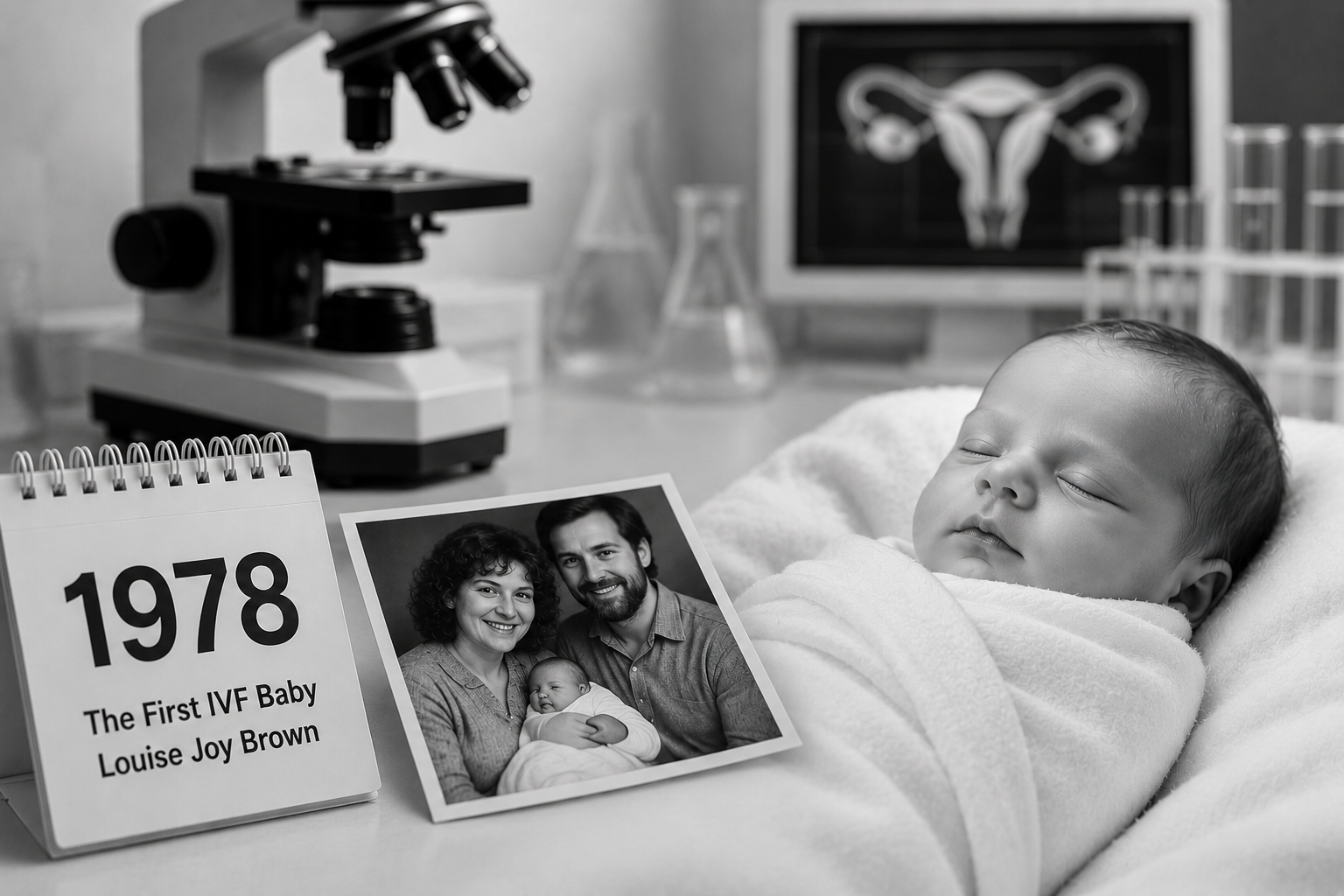
For millions of families struggling with infertility, the birth of Louise Brown on July 25, 1978, marked a turning point in medical history. As the world’s first baby conceived through in vitro fertilization (IVF), her arrival didn’t just make headlines, it opened doors to new possibilities in reproductive medicine. Understanding how IVF works, why it was groundbreaking, and what it means for modern fertility care can help demystify this life changing procedure for those exploring their options today.
What Is IVF and How Does It Work?
In vitro fertilization, or IVF, is a process where an egg is fertilized by sperm outside the body in a laboratory setting. The term "in vitro" comes from Latin, meaning "in glass," referring to the laboratory dish where fertilization occurs. The procedure involves several key steps: stimulating the ovaries to produce multiple eggs, retrieving those eggs, fertilizing them with sperm in a lab, and then transferring the resulting embryo into the uterus. While the concept may sound straightforward, perfecting the technique required decades of research and experimentation.
Why the Birth of Louise Brown Was a Medical Milestone
Before 1978, infertility was often seen as an insurmountable challenge, with few effective treatments available. The success of IVF represented a breakthrough not just in reproductive technology but in how society viewed fertility struggles. Dr. Robert Edwards, the physiologist who developed the technique, and Dr. Patrick Steptoe, the gynecologist who performed the procedure, faced skepticism and ethical debates before their work culminated in Louise’s birth. Their achievement earned Dr. Edwards the Nobel Prize in Physiology or Medicine in 2010, recognizing IVF’s profound impact on millions of lives worldwide.
How IVF Has Evolved Since 1978
In the decades since Louise Brown’s birth, IVF has become a widely accessible and refined procedure. Early attempts were experimental, with low success rates, but advancements in hormone therapies, laboratory techniques, and genetic screening have dramatically improved outcomes. Today, IVF is often combined with other technologies, such as intracytoplasmic sperm injection (ICSI) for male infertility or preimplantation genetic testing (PGT) to screen for genetic conditions. These innovations have made IVF a viable option for a broader range of patients, including same sex couples, single parents, and those with complex fertility challenges.
Who Can Benefit from IVF?
IVF is typically recommended for individuals or couples facing infertility due to conditions like blocked fallopian tubes, endometriosis, low sperm count, or unexplained fertility issues. It’s also an option for those who wish to preserve fertility before medical treatments like chemotherapy, which can affect reproductive health. While IVF is often associated with older parents, it’s not limited by age, though success rates do tend to decline as maternal age increases. Consulting with a fertility specialist can help determine whether IVF is the right choice based on personal health history and goals.
What to Expect During the IVF Process
The IVF journey can feel overwhelming, but breaking it down into stages can make it more manageable. The process usually begins with ovarian stimulation, where medications are used to encourage the ovaries to produce multiple eggs. Once the eggs are mature, they’re retrieved in a minor surgical procedure. In the lab, the eggs are fertilized with sperm, and the resulting embryos are monitored for several days before one or more are transferred to the uterus. Any remaining viable embryos can be frozen for future use. While the physical steps are well defined, the emotional and financial aspects of IVF can vary widely, which is why support from healthcare providers, counselors, and loved ones is so important.
Risks and Considerations
Like any medical procedure, IVF comes with potential risks and side effects. Ovarian hyperstimulation syndrome (OHSS), a condition where the ovaries become swollen and painful, is one possible complication, though it’s less common with modern protocols. There’s also a slightly higher chance of multiple pregnancies (twins or triplets) if more than one embryo is transferred, which can increase health risks for both the mother and babies. Emotionally, the process can be stressful, with no guarantee of success, success rates vary depending on factors like age, underlying health conditions, and clinic expertise. Open conversations with a fertility specialist can help weigh these factors and set realistic expectations.
The Emotional and Ethical Dimensions of IVF
IVF isn’t just a medical procedure; it’s a deeply personal journey that can bring hope, joy, and sometimes heartache. The emotional rollercoaster of hope and disappointment is a common experience for many undergoing treatment. Ethical questions have also surrounded IVF since its inception, from concerns about the fate of unused embryos to debates over access and affordability. Despite these challenges, the stories of families built through IVF, like Louise Brown’s own journey to motherhood, highlight the profound impact this technology has had on shaping modern parenthood.
Looking Ahead: The Future of IVF
As reproductive medicine continues to advance, IVF is likely to become even more effective and accessible. Research into areas like artificial intelligence for embryo selection, improved freezing techniques, and non invasive genetic testing could further enhance success rates. There’s also growing interest in making IVF more affordable and inclusive, ensuring that more people can benefit from this life changing technology. For those considering IVF today, the legacy of Louise Brown’s birth serves as a reminder of how far science has come, and how much further it can go in helping families grow.
Key Takeaways
- IVF, or in vitro fertilization, is a process where an egg is fertilized by sperm outside the body in a laboratory, with the resulting embryo transferred to the uterus.
- The birth of Louise Brown in 1978 marked the first successful IVF procedure, revolutionizing fertility treatment and offering hope to millions struggling with infertility.
- Since 1978, IVF has evolved significantly, with advancements in hormone therapies, laboratory techniques, and genetic screening improving success rates and accessibility.
- IVF is recommended for a variety of fertility challenges, including blocked fallopian tubes, endometriosis, low sperm count, and unexplained infertility, as well as for fertility preservation.
- The IVF process involves ovarian stimulation, egg retrieval, fertilization in a lab, embryo monitoring, and embryo transfer, with emotional and financial considerations playing a key role.
- Potential risks of IVF include ovarian hyperstimulation syndrome (OHSS), multiple pregnancies, and emotional stress, though modern protocols have reduced some of these risks.
- Ethical and emotional dimensions of IVF, such as the fate of unused embryos and the emotional toll of treatment, are important factors for individuals and couples to consider.
- The future of IVF may include advancements like AI driven embryo selection, improved freezing techniques, and greater affordability, making the procedure more effective and accessible.
Frequently Asked Questions
How successful is IVF today compared to 1978?
Success rates for IVF have improved dramatically since 1978. While the first attempts had very low success rates, today’s clinics report success rates of around 30 50% per cycle for women under 35, depending on factors like age, health, and clinic expertise. Advances in technology and techniques have made IVF a much more reliable option for many families.
Is IVF painful or risky?
The IVF process involves some discomfort, particularly during egg retrieval, which is done under sedation. Risks include ovarian hyperstimulation syndrome (OHSS), multiple pregnancies, and emotional stress, but these are managed carefully by fertility specialists. Most people find the process manageable with proper support and medical guidance.
How long does the IVF process take?
A single IVF cycle typically takes about 4 6 weeks, from the start of ovarian stimulation to the embryo transfer. However, some people may need multiple cycles to achieve a successful pregnancy, and the timeline can vary based on individual circumstances and clinic protocols.
Can IVF help with male infertility?
Yes, IVF can be an effective solution for male infertility, especially when combined with intracytoplasmic sperm injection (ICSI), a technique where a single sperm is injected directly into an egg. This approach is particularly helpful for men with low sperm count or poor sperm motility.
Are there alternatives to IVF for infertility?
Depending on the cause of infertility, alternatives to IVF may include fertility medications to stimulate ovulation, intrauterine insemination (IUI), or surgical procedures to correct issues like blocked fallopian tubes. A fertility specialist can help determine the best approach based on individual needs and medical history.
How much does IVF cost, and is it covered by insurance?
The cost of IVF varies widely depending on the clinic, location, and specific treatments needed, but it typically ranges from $12,000 to $15,000 per cycle in the United States. Insurance coverage for IVF also varies, some plans cover diagnostic testing or medications, while others may cover a portion of the procedure. It’s important to check with your insurance provider and clinic for detailed cost information.
Medical Review: MedSense Editorial Board
DISCUSSION (0)
POST A COMMENT