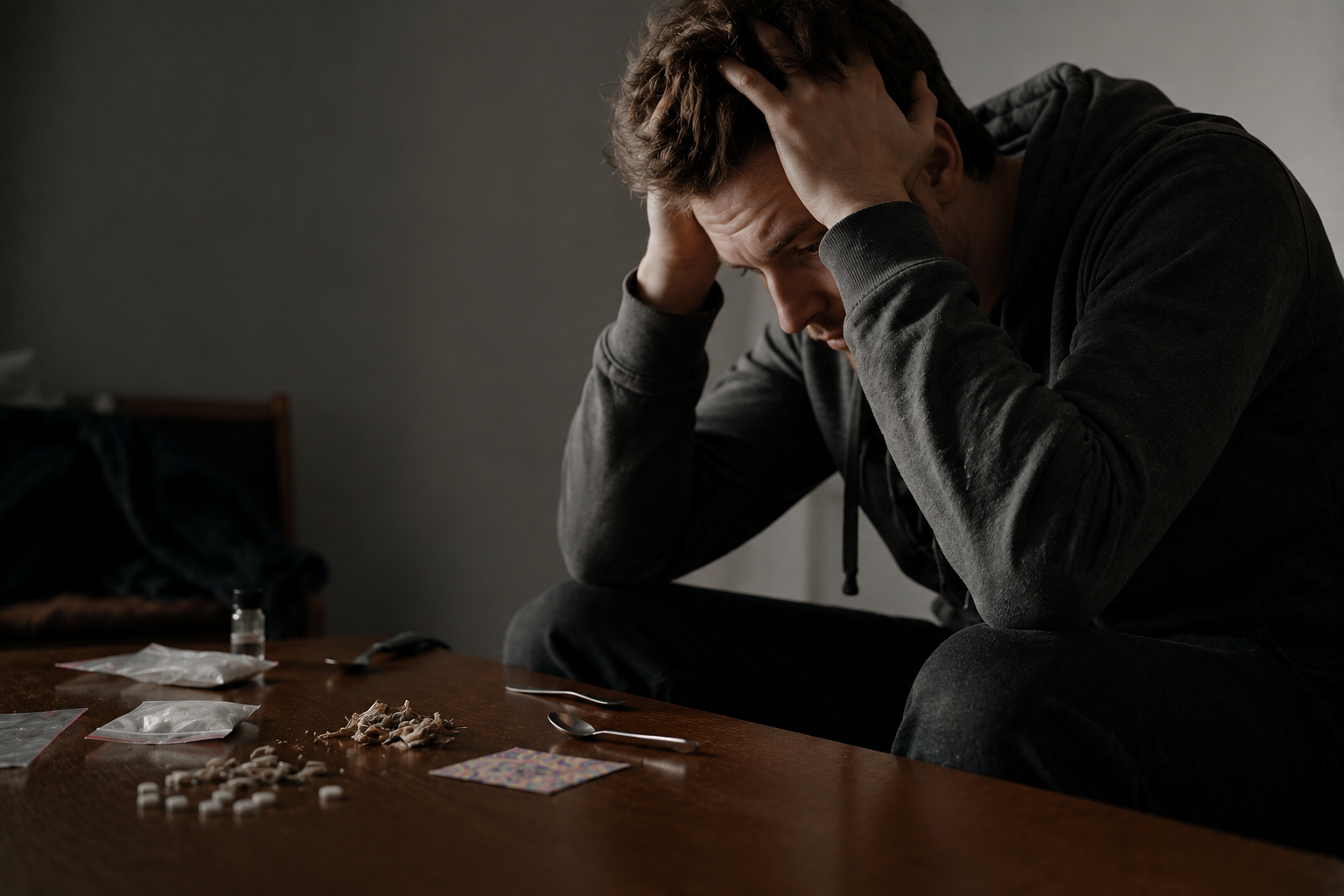
Hallucinogens like LSD, psilocybin (magic mushrooms), and PCP can alter perception, mood, and thought in ways that some people find intriguing or even spiritually meaningful, but when use becomes frequent or uncontrollable, it can lead to a serious condition known as hallucinogen use disorder. This disorder doesn’t just affect the mind during the experience, it can reshape daily life, relationships, and overall well being over time. Recognizing the signs early and understanding the risks can make a real difference in seeking help and finding a path forward.
What Is Hallucinogen Use Disorder?
Hallucinogen use disorder is a medical condition recognized in diagnostic guidelines, characterized by a pattern of continued hallucinogen use despite negative consequences. Unlike occasional or experimental use, this disorder involves a loss of control, where the person may find themselves using more often than intended, spending significant time obtaining or recovering from the drug, or continuing use even when it harms their health, work, or relationships. It’s not just about the intensity of the trips but how the drug begins to take priority over other aspects of life.
While many people associate hallucinogens with low physical dependence, psychological dependence can develop, especially with frequent use. Some individuals may start using to escape stress, trauma, or emotional pain, only to find that the drug becomes a central coping mechanism, making it harder to function without it.
Common Signs and Symptoms
Recognizing the signs of hallucinogen use disorder can be challenging, especially since the effects of these drugs vary widely from person to person. However, some common behavioral and psychological patterns may indicate a developing problem. For instance, someone might start using hallucinogens more frequently, in larger amounts, or in riskier situations, such as while driving or at work. They may also express a strong desire to cut down but feel unable to do so, or they might give up activities they once enjoyed in favor of using the drug.
Physical signs are less pronounced than with other substances, but frequent users may experience persistent changes in mood, such as increased anxiety, depression, or emotional instability. Some people also report experiencing flashbacks, brief, spontaneous recurrences of the drug’s effects, long after use, which can be distressing and interfere with daily life. Socially, relationships may suffer as the person becomes more withdrawn, secretive, or defensive about their use.
Why It Matters: Health and Social Risks
The risks of hallucinogen use disorder extend beyond the immediate effects of the drug. While hallucinogens are not typically associated with life threatening overdoses like opioids or alcohol, they can still pose serious dangers. For example, a bad trip, an intensely frightening or overwhelming experience, can lead to risky behaviors, self harm, or accidents. Long term use may also contribute to persistent mental health issues, such as psychosis, depression, or anxiety disorders, particularly in individuals with a predisposition to these conditions.
Socially and professionally, the disorder can take a toll as well. Frequent use may lead to job loss, financial strain, or legal troubles, especially if the person engages in risky behaviors while under the influence. Relationships with family and friends often become strained, as trust erodes and communication breaks down. Over time, the person may feel increasingly isolated, which can worsen the cycle of use and make recovery feel even more out of reach.
Prevention and Early Intervention
Preventing hallucinogen use disorder starts with education and awareness, particularly for young adults who may be more likely to experiment with these substances. Open conversations about the risks, such as the unpredictability of trips, the potential for long term mental health effects, and the legal consequences, can help individuals make informed decisions. For those who have already started using, setting clear boundaries, such as limiting frequency or avoiding use in high risk situations, can reduce the likelihood of developing a disorder.
If you or someone you know is showing signs of problematic use, early intervention can make a big difference. This might involve talking to a trusted friend, family member, or healthcare provider about concerns, or seeking support from a mental health professional who specializes in substance use. Many people find that addressing underlying issues, such as stress, trauma, or mental health conditions, can reduce the urge to use hallucinogens as a coping mechanism.
Treatment and Recovery Options
Recovery from hallucinogen use disorder is possible, and treatment often focuses on addressing both the psychological and behavioral aspects of the condition. Cognitive behavioral therapy (CBT) is one of the most effective approaches, helping individuals identify and change the thought patterns and behaviors that contribute to their use. Motivational interviewing, another common therapy, can help people find their own reasons for change and build confidence in their ability to recover.
Support groups, such as those based on the 12 step model or other peer led programs, can also provide a sense of community and accountability. For some, medication may be helpful in managing co occurring mental health conditions, such as depression or anxiety, which can make recovery more challenging. The key is finding a treatment plan that feels manageable and sustainable, whether that involves outpatient therapy, residential treatment, or a combination of approaches.
When to Seek Help
It’s important to seek help if hallucinogen use is causing distress or interfering with daily life, even if it doesn’t feel like a full blown disorder. Early signs that professional support might be needed include feeling unable to control use, experiencing negative consequences (such as job loss or relationship problems), or noticing changes in mood or mental health that persist long after the drug’s effects wear off. If you’re unsure whether your use is problematic, talking to a healthcare provider or mental health professional can provide clarity and guidance.
For loved ones, approaching the conversation with empathy and without judgment is crucial. Instead of focusing on blame or shame, express concern for their well being and offer support in finding help. Sometimes, the first step toward recovery is simply knowing that someone cares and is willing to walk alongside them on the journey.
Key Takeaways
- Hallucinogen use disorder involves a loss of control over use, despite negative consequences, and can develop even with substances that aren’t physically addictive.
- Signs include increased frequency of use, neglect of responsibilities, social withdrawal, and persistent changes in mood or mental health.
- While hallucinogens don’t typically cause life threatening overdoses, they can lead to risky behaviors, accidents, and long term mental health issues like anxiety or psychosis.
- Prevention starts with education and setting boundaries, while early intervention can involve open conversations, therapy, or support from healthcare providers.
- Treatment often includes cognitive behavioral therapy, motivational interviewing, and support groups, with a focus on addressing underlying emotional or psychological needs.
- Seeking help early, whether for yourself or a loved one, can make recovery more manageable and reduce the long term impact on health and relationships.
Frequently Asked Questions
What are the most commonly misused hallucinogens?
The most commonly misused hallucinogens include LSD (lysergic acid diethylamide), psilocybin (found in magic mushrooms), PCP (phencyclidine), and MDMA (ecstasy or molly), though MDMA has both stimulant and hallucinogenic properties. Each of these substances can alter perception, mood, and thought in different ways, and while they may not cause physical dependence like opioids or alcohol, they can still lead to psychological dependence and other health risks.
Can hallucinogen use disorder be cured?
While there is no single cure for hallucinogen use disorder, it is a treatable condition, and many people achieve long term recovery with the right support. Treatment often focuses on addressing the underlying reasons for use, such as stress, trauma, or mental health conditions, and developing healthier coping mechanisms. Recovery is a process, and it may involve setbacks, but with ongoing support, individuals can regain control over their lives and reduce or eliminate their use of hallucinogens.
How can I tell if someone is struggling with hallucinogen use disorder?
Signs that someone may be struggling with hallucinogen use disorder include using the drug more frequently or in larger amounts than intended, spending a lot of time obtaining or recovering from the drug, neglecting responsibilities at work or home, and continuing use despite negative consequences. They may also become secretive or defensive about their use, withdraw from social activities, or experience changes in mood, such as increased anxiety or depression. If you notice these patterns, it may be helpful to approach the person with empathy and encourage them to seek professional support.
Are there any medications to treat hallucinogen use disorder?
Currently, there are no FDA approved medications specifically for treating hallucinogen use disorder. However, medications may be used to manage co occurring mental health conditions, such as depression, anxiety, or psychosis, which can contribute to or worsen substance use. Treatment typically focuses on therapy, such as cognitive behavioral therapy or motivational interviewing, as well as support groups and lifestyle changes to address the psychological and behavioral aspects of the disorder.
What should I do if I think I have a problem with hallucinogens?
If you think you might have a problem with hallucinogens, the first step is to acknowledge your concerns and reach out for support. This could mean talking to a trusted friend or family member, scheduling an appointment with a healthcare provider, or contacting a mental health professional who specializes in substance use. Many people find it helpful to explore therapy, such as cognitive behavioral therapy, to understand the reasons behind their use and develop healthier coping strategies. Support groups, whether in person or online, can also provide a sense of community and accountability as you work toward recovery.
Medical Review: MedSense Editorial Board
DISCUSSION (0)
POST A COMMENT