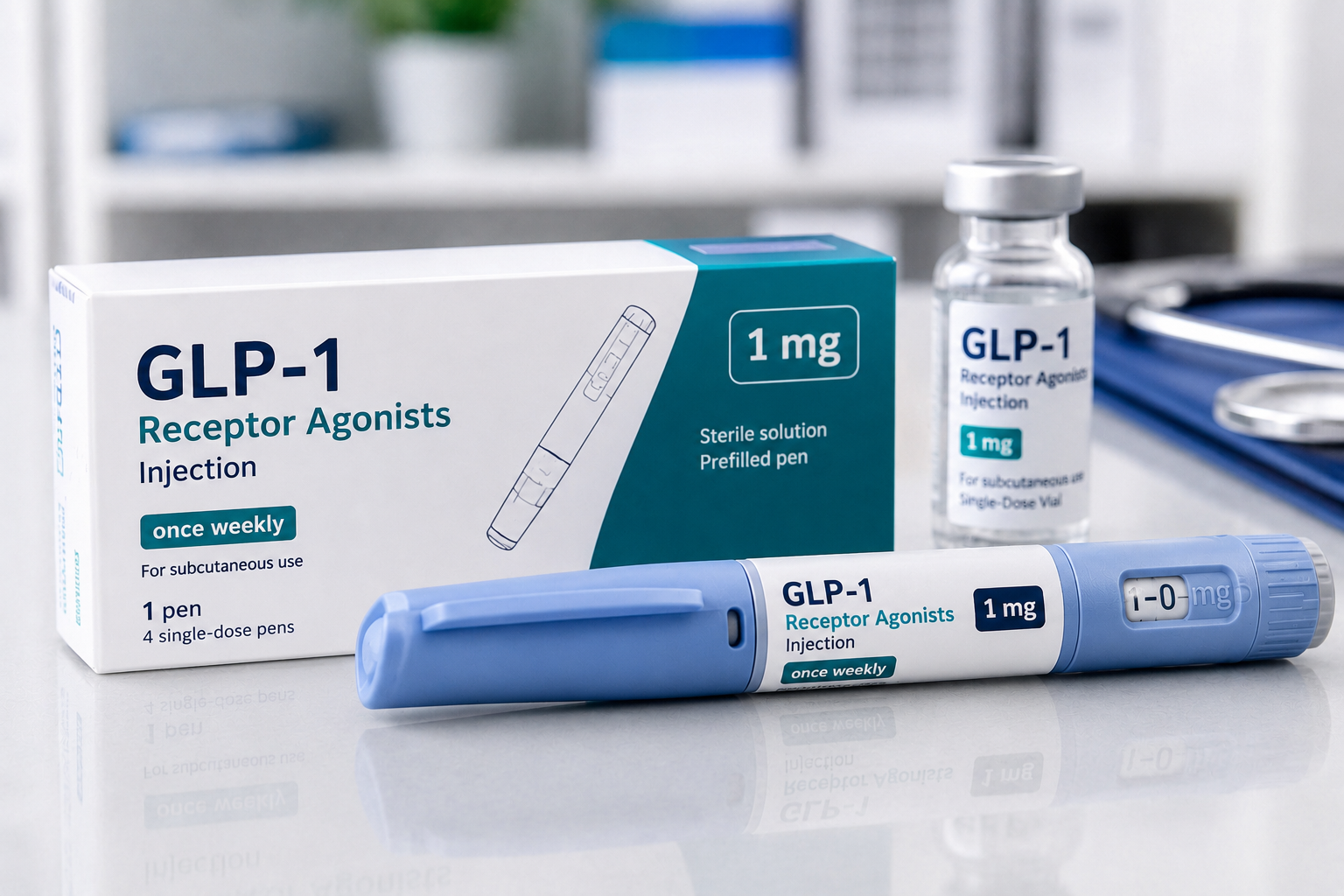
What Are GLP 1 Receptor Agonists?
GLP 1 receptor agonists are a group of medications that mimic the action of a natural hormone in the body called glucagon like peptide 1, or GLP 1. This hormone plays a key role in regulating blood sugar levels and appetite. Normally, GLP 1 is released by the intestines after eating, signaling the pancreas to produce insulin, which helps lower blood sugar. It also slows down digestion, reduces appetite, and promotes a feeling of fullness. However, in people with type 2 diabetes, the body’s response to GLP 1 is often weakened.
GLP 1 receptor agonists work by binding to the same receptors as natural GLP 1, enhancing these effects. They help the pancreas release insulin when blood sugar levels are high, reduce the amount of sugar produced by the liver, and slow the emptying of the stomach. This combination of actions makes them effective for improving blood sugar control in people with type 2 diabetes. Additionally, their ability to reduce appetite and promote satiety has made them a valuable tool for weight management in people with or without diabetes.
Why Do GLP 1 Receptor Agonists Matter?
For decades, managing type 2 diabetes and obesity has been a challenge for both patients and healthcare providers. Traditional diabetes medications, such as metformin, focus primarily on lowering blood sugar, but they do not address other factors like appetite or weight gain, which often accompany the condition. Similarly, weight loss medications have historically had limited effectiveness or significant side effects. GLP 1 receptor agonists represent a shift in treatment because they target multiple aspects of metabolism at once.
Beyond their role in diabetes care, these medications have shown promise in reducing the risk of major cardiovascular events, such as heart attacks and strokes, in people with type 2 diabetes who are at high risk. This is particularly important because heart disease is a leading cause of death in people with diabetes. For individuals struggling with obesity, GLP 1 receptor agonists can lead to significant weight loss, which may improve mobility, reduce joint pain, and lower the risk of obesity related conditions like sleep apnea and fatty liver disease.
Who Can Benefit from GLP 1 Receptor Agonists?
GLP 1 receptor agonists are primarily prescribed for adults with type 2 diabetes who have not achieved adequate blood sugar control with other medications, such as metformin. They are often recommended for people who also have obesity or are at high risk for cardiovascular disease. Some of these medications, like liraglutide and semaglutide, have also been approved for chronic weight management in adults with obesity or overweight who have at least one weight related condition, such as high blood pressure or high cholesterol.
These medications are not typically used as a first line treatment for diabetes or weight loss. Instead, they are considered when lifestyle changes, such as diet and exercise, and other medications have not been effective. It’s important to note that GLP 1 receptor agonists are not suitable for everyone. For example, they are not recommended for people with a personal or family history of medullary thyroid cancer or those with a rare condition called multiple endocrine neoplasia syndrome type 2. Your doctor will review your medical history and current health status to determine if these medications are a safe and appropriate option for you.
How Are GLP 1 Receptor Agonists Administered?
GLP 1 receptor agonists are available in different forms, including injections and, more recently, oral tablets. The most common form is a once weekly or once daily injection, which can be self administered at home using a pre filled pen. For example, semaglutide is available as a once weekly injection under the brand name Ozempic for diabetes and Wegovy for weight management. Liraglutide is typically taken as a once daily injection under the brand name Victoza for diabetes and Saxenda for weight loss.
The introduction of oral GLP 1 receptor agonists, such as semaglutide in tablet form (Rybelsus), has made this treatment more accessible for people who prefer not to use injections. However, oral versions may require specific instructions, such as taking the medication on an empty stomach with a small amount of water and waiting at least 30 minutes before eating or drinking anything else. Your healthcare provider will guide you on the best administration method based on your needs and preferences.
What Are the Potential Side Effects?
Like all medications, GLP 1 receptor agonists can cause side effects, though not everyone will experience them. The most common side effects are related to the digestive system and may include nausea, vomiting, diarrhea, or constipation. These symptoms are usually mild to moderate and tend to improve over time as the body adjusts to the medication. Starting with a lower dose and gradually increasing it can help minimize these side effects.
Less common but more serious side effects may include pancreatitis, gallbladder problems, or low blood sugar (hypoglycemia), especially when used in combination with other diabetes medications like sulfonylureas or insulin. There is also a theoretical risk of thyroid tumors, which is why these medications are not recommended for people with certain thyroid conditions. It’s important to discuss any concerns or unusual symptoms with your doctor, who can help weigh the benefits and risks of continuing the medication.
What Should You Expect When Starting Treatment?
If your doctor prescribes a GLP 1 receptor agonist, they will likely start you on a low dose to allow your body to adjust. Over time, the dose may be increased to achieve the desired effect on blood sugar or weight. It’s important to follow your doctor’s instructions carefully and attend regular follow up appointments to monitor your progress and adjust the treatment plan as needed.
Many people notice a reduction in appetite and food cravings within the first few weeks of starting the medication. This can make it easier to adopt healthier eating habits and stick to a balanced diet. However, it’s still important to focus on nutritious foods, as the medication is not a substitute for a healthy lifestyle. Combining GLP 1 receptor agonists with regular physical activity and a well balanced diet can enhance their effectiveness and support long term health goals.
When to Seek Medical Care
While GLP 1 receptor agonists are generally safe, there are certain situations where you should seek medical attention promptly. Contact your doctor if you experience severe abdominal pain that does not go away, as this could be a sign of pancreatitis. Similarly, symptoms like persistent nausea, vomiting, or signs of dehydration (such as dizziness or dark urine) should be evaluated. If you notice swelling in your neck, a lump, or difficulty swallowing, these could be signs of a thyroid issue and require immediate medical attention.
It’s also important to monitor your blood sugar levels regularly, especially if you are taking other diabetes medications. If you experience symptoms of low blood sugar, such as shakiness, sweating, confusion, or rapid heartbeat, treat it immediately with a fast acting source of sugar, like glucose tablets or fruit juice, and contact your healthcare provider.
What Do Experts Recommend?
Medical experts agree that GLP 1 receptor agonists are a valuable addition to the treatment options for type 2 diabetes and obesity. The American Diabetes Association and the American Association of Clinical Endocrinologists recommend these medications for people with type 2 diabetes who have not achieved their blood sugar goals with other treatments, particularly those with cardiovascular risk factors. For weight management, experts suggest considering GLP 1 receptor agonists as part of a comprehensive plan that includes dietary changes, physical activity, and behavioral support.
Experts also emphasize the importance of individualized care. Not everyone will respond to these medications in the same way, and what works for one person may not be the best option for another. Regular communication with your healthcare team is key to ensuring the treatment is effective and well tolerated. Additionally, experts caution against using these medications without medical supervision, as they require careful monitoring and dose adjustments.
Looking Ahead: The Future of GLP 1 Receptor Agonists
Research into GLP 1 receptor agonists is ongoing, with scientists exploring new formulations, combinations with other medications, and potential benefits for other conditions. For example, studies are underway to investigate their role in treating non alcoholic fatty liver disease, polycystic ovary syndrome, and even neurodegenerative diseases like Alzheimer’s. As more data becomes available, the use of these medications may expand, offering new hope for people with a range of metabolic and chronic conditions.
For now, GLP 1 receptor agonists remain a powerful tool for managing type 2 diabetes and supporting weight loss. Their ability to address multiple aspects of metabolism makes them a unique and promising option in modern medicine. If you think this treatment might be right for you, talk to your doctor about whether it fits into your overall health plan.
Key Takeaways
- GLP 1 receptor agonists are medications that mimic the hormone GLP 1, helping to regulate blood sugar and appetite by enhancing insulin production, slowing digestion, and promoting fullness.
- These medications are primarily used to treat type 2 diabetes and support weight management in people with obesity or overweight, particularly when other treatments have not been effective.
- GLP 1 receptor agonists can reduce the risk of cardiovascular events in people with type 2 diabetes and may lead to significant weight loss, improving overall health and quality of life.
- Common side effects include nausea, vomiting, and digestive issues, which often improve over time. Serious side effects, such as pancreatitis or thyroid tumors, are rare but require medical attention.
- These medications are available as injections or oral tablets, and your doctor will help determine the best option for you based on your health needs and preferences.
- Combining GLP 1 receptor agonists with a healthy diet, regular physical activity, and medical supervision can enhance their effectiveness and support long term health goals.
Frequently Asked Questions
Are GLP 1 receptor agonists the same as insulin?
No, GLP 1 receptor agonists are not the same as insulin. While insulin directly lowers blood sugar by helping cells absorb glucose, GLP 1 receptor agonists work by enhancing the body’s natural production of insulin, reducing sugar production by the liver, and slowing digestion. They do not replace insulin but can be used alongside it in some cases.
Can I stop taking my other diabetes medications if I start a GLP 1 receptor agonist?
You should never stop or change your diabetes medications without consulting your doctor. GLP 1 receptor agonists are often used in combination with other medications, and your healthcare provider will determine the best treatment plan for you based on your blood sugar levels and overall health.
How long does it take for GLP 1 receptor agonists to work?
Many people notice a reduction in appetite and food cravings within the first few weeks of starting a GLP 1 receptor agonist. Improvements in blood sugar levels can also be seen relatively quickly, often within a few weeks. However, the full effects on weight loss or blood sugar control may take several months to become apparent.
Are GLP 1 receptor agonists safe for long term use?
GLP 1 receptor agonists have been studied extensively and are considered safe for long term use under medical supervision. However, like all medications, they require regular monitoring to ensure they remain effective and well tolerated. Your doctor will discuss the benefits and risks of long term use with you.
Can GLP 1 receptor agonists be used for weight loss in people without diabetes?
Yes, certain GLP 1 receptor agonists, such as liraglutide (Saxenda) and semaglutide (Wegovy), have been approved for chronic weight management in adults with obesity or overweight who have at least one weight related condition. These medications should be used as part of a comprehensive weight loss plan that includes diet, exercise, and behavioral changes.
Medical Review: MedSense Editorial Board
DISCUSSION (0)
POST A COMMENT