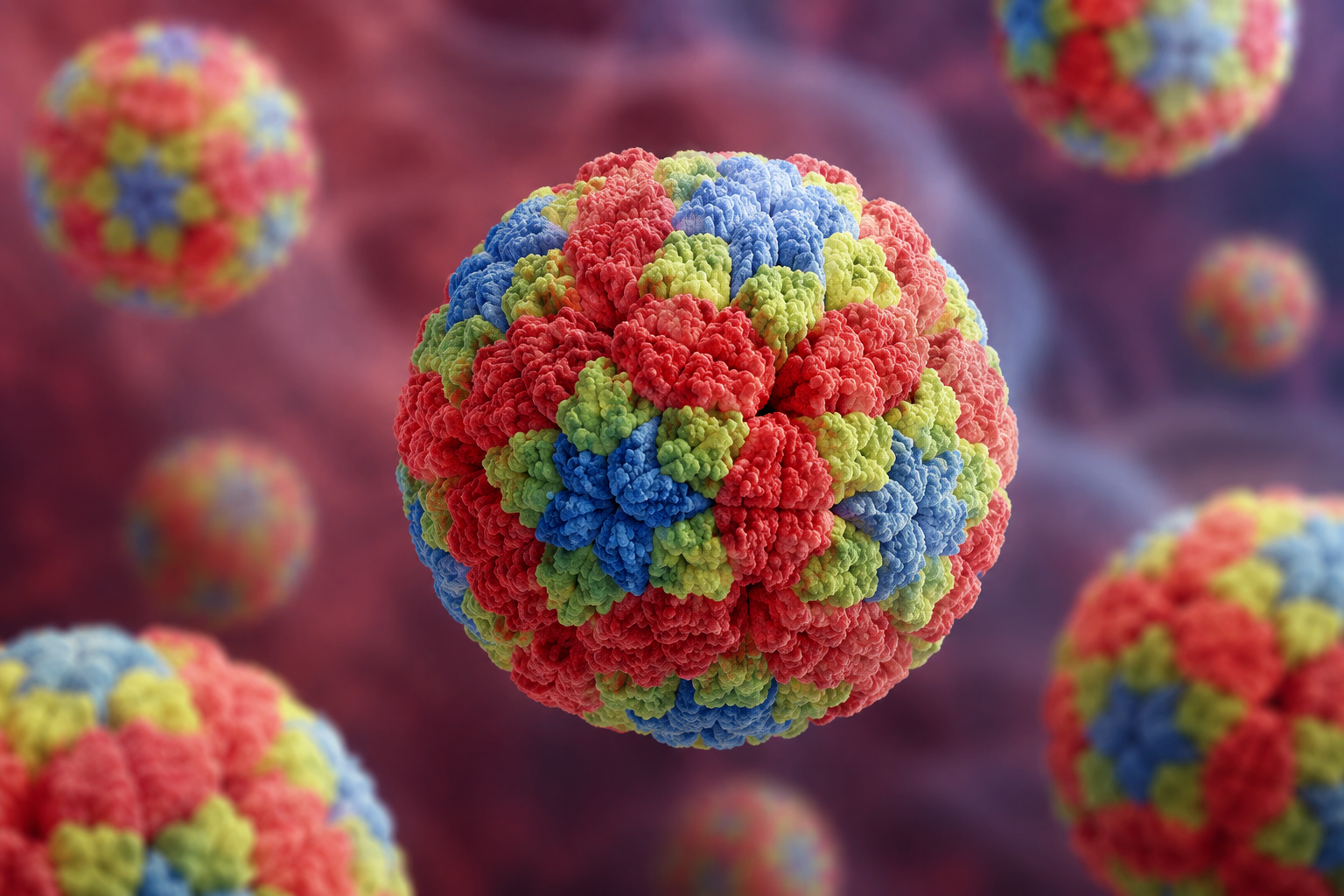
What Is Fifth Disease?
Fifth disease is caused by the parvovirus B19, a virus that spreads easily through respiratory secretions, such as saliva or mucus, when an infected person coughs or sneezes. It is most common in children between the ages of 5 and 15, but adults can also become infected. The illness is typically mild, and many people who contract the virus may not even realize they have it because symptoms can be very subtle or absent altogether. Once someone has had fifth disease, they usually develop immunity and are unlikely to get it again.
Why Does Fifth Disease Matter?
While fifth disease is generally not serious for most people, it can pose risks for certain groups. For example, pregnant women who have not previously been exposed to the virus may be at risk of complications, such as anemia in the unborn baby or, in rare cases, miscarriage. Additionally, individuals with weakened immune systems or certain blood disorders, like sickle cell disease, may experience more severe symptoms or complications. Understanding how the virus spreads and who is most at risk can help prevent transmission and ensure that vulnerable individuals receive appropriate care.
Who Is Affected by Fifth Disease?
Fifth disease is most common in school aged children, particularly during the winter and spring months. Outbreaks often occur in schools, daycare centers, or other settings where children are in close contact with one another. Adults who work with children, such as teachers or childcare providers, are also at higher risk of exposure. While the virus can infect people of any age, symptoms tend to be milder in children than in adults. Adults with fifth disease may experience more pronounced joint pain or swelling, which can sometimes be mistaken for other conditions like arthritis.
Symptoms of Fifth Disease
The most recognizable symptom of fifth disease is a bright red rash that appears on the cheeks, often described as a "slapped cheek" appearance. This rash may spread to the arms, legs, and trunk of the body, where it can take on a lacy or net like pattern. The rash is usually not itchy or painful, and it may come and go for several weeks. Before the rash appears, some people experience mild flu like symptoms, such as a low grade fever, headache, runny nose, or fatigue. These early symptoms typically last a few days and may be so mild that they go unnoticed. In adults, joint pain or swelling, particularly in the hands, wrists, knees, or ankles, is a more common symptom than the rash.
How Is Fifth Disease Diagnosed and Treated?
Fifth disease is usually diagnosed based on its characteristic rash and symptoms. In most cases, no specific tests are needed, as the illness is mild and self limiting. However, if there is uncertainty about the diagnosis or if the patient is at risk for complications, a blood test can confirm the presence of parvovirus B19 antibodies. There is no specific treatment for fifth disease, as it is caused by a virus and antibiotics are not effective. Treatment focuses on relieving symptoms, such as taking over the counter pain relievers for fever or joint pain, staying hydrated, and getting plenty of rest. The rash and other symptoms typically resolve on their own within one to three weeks.
Preventing the Spread of Fifth Disease
Fifth disease is most contagious before the rash appears, which means people can spread the virus without even knowing they are infected. Once the rash develops, the person is usually no longer contagious. To reduce the risk of spreading the virus, practice good hygiene habits, such as washing hands frequently with soap and water, covering coughs and sneezes, and avoiding close contact with others if you or your child are sick. If you know someone has fifth disease, it is also a good idea to clean and disinfect surfaces that may have been contaminated with respiratory secretions. Pregnant women or individuals with weakened immune systems should take extra precautions to avoid exposure, as they may be at higher risk for complications.
When to Seek Medical Care
Most cases of fifth disease do not require medical attention, as the illness is mild and resolves on its own. However, you should contact a healthcare provider if you or your child experience severe symptoms, such as a high fever, persistent joint pain, or signs of dehydration. Pregnant women who suspect they have been exposed to fifth disease should also seek medical advice, as the virus can pose risks to the unborn baby. Additionally, individuals with weakened immune systems or chronic blood disorders should consult a healthcare provider if they develop symptoms of fifth disease, as they may be at risk for more serious complications.
What Experts Recommend
Health experts emphasize that fifth disease is usually a mild and self limiting illness, but they also highlight the importance of prevention and awareness. The Centers for Disease Control and Prevention (CDC) recommends that pregnant women and individuals with certain medical conditions take precautions to avoid exposure to the virus. If you are unsure whether you or your child has fifth disease, or if you have concerns about potential complications, it is always a good idea to consult a healthcare provider. They can provide guidance tailored to your specific situation and help you manage the illness effectively.
Key Takeaways
- Fifth disease is a mild viral infection caused by parvovirus B19, most common in children but can affect people of any age.
- The most recognizable symptom is a bright red "slapped cheek" rash, which may spread to other parts of the body.
- Symptoms are usually mild and include fever, headache, runny nose, and fatigue before the rash appears.
- There is no specific treatment for fifth disease; it typically resolves on its own within one to three weeks.
- Pregnant women, individuals with weakened immune systems, or those with blood disorders should take extra precautions, as they may be at risk for complications.
- Good hygiene practices, such as frequent handwashing and covering coughs, can help prevent the spread of the virus.
Frequently Asked Questions
Is fifth disease contagious?
Yes, fifth disease is contagious, but it is most contagious before the rash appears. Once the rash develops, the person is usually no longer contagious. The virus spreads through respiratory secretions, such as saliva or mucus, when an infected person coughs or sneezes.
Can adults get fifth disease?
Yes, adults can get fifth disease, though it is more common in children. Adults may experience more pronounced symptoms, such as joint pain or swelling, which can sometimes be mistaken for arthritis.
How long does fifth disease last?
The rash and other symptoms of fifth disease typically last one to three weeks. However, the rash may come and go for several weeks, especially after exposure to sunlight, heat, or stress.
Is there a vaccine for fifth disease?
No, there is currently no vaccine for fifth disease. The best way to prevent infection is to practice good hygiene, such as washing hands frequently and avoiding close contact with infected individuals.
Can fifth disease cause complications?
For most people, fifth disease is mild and does not cause complications. However, it can pose risks for pregnant women, individuals with weakened immune systems, or those with certain blood disorders, such as sickle cell disease. These groups may experience more severe symptoms or complications and should seek medical advice if exposed.
Medical Review: MedSense Editorial Board
DISCUSSION (0)
POST A COMMENT