What Are Cognitive Biases?
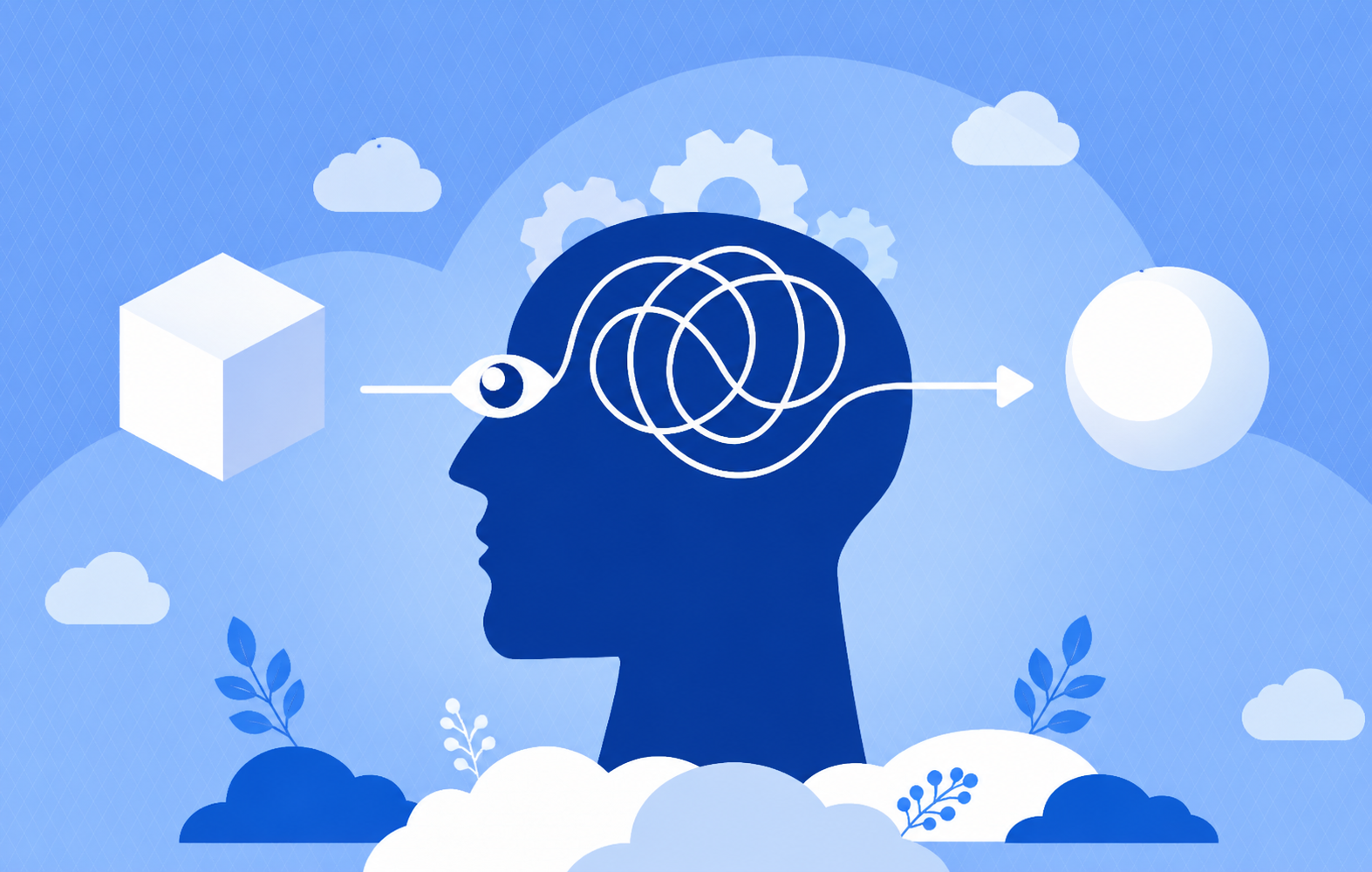
Cognitive biases are systematic patterns of deviation from rationality in judgment. In simpler terms, they are mental shortcuts or "rules of thumb" that your brain uses to make decisions quickly and efficiently. These biases evolved as a way to help humans survive in a world filled with overwhelming information, but they don’t always lead to the most accurate or logical conclusions. For example, your brain might prioritize information that confirms what you already believe (confirmation bias) or give more weight to recent events (recency bias) because these shortcuts save time and energy.
While cognitive biases are a normal part of human thinking, they can lead to errors in perception, memory, and decision making. They can affect everything from how you interpret news stories to how you choose a doctor or manage your health. Recognizing these biases is the first step toward making more informed and objective choices, whether in your personal life, at work, or when managing your well being.
Why Do Cognitive Biases Matter?
Cognitive biases matter because they shape how you see the world and interact with it. They can influence your health decisions, relationships, and even your financial choices. For instance, if you believe a certain supplement is effective because a celebrity endorsed it (halo effect), you might overlook scientific evidence to the contrary. Similarly, if you assume that a rare disease is more common than it is because you recently read about it (availability heuristic), you might worry unnecessarily about your symptoms.
In healthcare, cognitive biases can have serious consequences. A doctor might overlook a diagnosis because they focus on the most obvious symptoms (anchoring bias), or a patient might avoid seeking care because they downplay their symptoms (optimism bias). Even public health campaigns can be affected by biases. For example, people might ignore warnings about a disease because they believe "it won’t happen to me" (optimism bias) or because they distrust the source of the information (authority bias). By understanding these biases, you can become more aware of your own thought patterns and make decisions that are better aligned with reality.
Common Types of Cognitive Biases
There are dozens of cognitive biases, but some are more common and impactful than others. Here are a few you might recognize:
Confirmation Bias: This is the tendency to search for, interpret, and remember information that confirms your preexisting beliefs. For example, if you believe that a particular diet is the healthiest, you might only pay attention to studies that support it while ignoring those that don’t. Confirmation bias can make it difficult to change your mind, even when presented with new evidence.
Anchoring Bias: This occurs when you rely too heavily on the first piece of information you encounter (the "anchor") when making decisions. For instance, if you see a shirt priced at $100 and then see the same shirt on sale for $50, you might perceive it as a great deal, even if the shirt isn’t worth $50. In healthcare, anchoring bias might lead a doctor to focus on an initial diagnosis and miss other possibilities.
Availability Heuristic: This bias leads you to judge the likelihood of an event based on how easily you can recall examples of it. For example, if you recently heard about a plane crash, you might overestimate the danger of flying, even though statistically, it’s one of the safest ways to travel. This bias can cause unnecessary anxiety about rare but sensationalized risks.
Optimism Bias: This is the tendency to believe that you are less likely to experience negative events than others. For example, you might think you’re less likely to develop heart disease than your peers, even if your lifestyle puts you at higher risk. Optimism bias can lead to risky behaviors, like skipping regular check ups or ignoring warning signs.
Halo Effect: This bias occurs when your overall impression of a person, brand, or product influences your judgment of their specific traits. For example, if you admire a celebrity, you might assume that a product they endorse is high quality, even without evidence. In healthcare, the halo effect might lead you to trust a doctor’s advice more because they have a friendly demeanor, rather than evaluating their expertise objectively.
Who Is Affected by Cognitive Biases?
Cognitive biases affect everyone, regardless of age, education, or intelligence. They are a universal part of human cognition, shaped by evolution, culture, and personal experiences. However, some groups may be more vulnerable to certain biases in specific contexts. For example, people under stress or time pressure might rely more heavily on mental shortcuts, increasing the likelihood of biased decisions. Similarly, individuals with strong emotional attachments to their beliefs may be more prone to confirmation bias.
In healthcare, both patients and providers are susceptible to cognitive biases. Doctors might fall prey to anchoring bias when diagnosing a patient, while patients might ignore medical advice due to optimism bias. Even researchers and policymakers can be influenced by biases, such as the bandwagon effect (the tendency to adopt beliefs because many others hold them), which can shape public health recommendations. Recognizing that biases are a shared human experience can help reduce stigma and encourage more open minded thinking.
How to Recognize and Overcome Cognitive Biases
While you can’t eliminate cognitive biases entirely, you can learn to recognize them and reduce their impact on your decisions. Here are some practical strategies:
Slow Down: Cognitive biases often kick in when you’re making quick decisions. Taking a moment to pause and reflect can help you avoid snap judgments. For example, if you’re considering a new medical treatment, take time to research it thoroughly rather than relying on the first piece of information you find.
Seek Diverse Perspectives: Actively looking for information that challenges your beliefs can counteract confirmation bias. If you’re researching a health topic, read sources with different viewpoints to get a more balanced understanding. Similarly, discussing your ideas with people who have different opinions can help you see blind spots in your thinking.
Use Checklists and Decision Tools: Checklists can help you evaluate information more objectively. For example, if you’re comparing treatment options, a checklist might include questions like "What is the scientific evidence for this treatment?" or "What are the potential risks and benefits?" Decision making tools, such as pros and cons lists, can also help you weigh options more carefully.
Ask for Feedback: Sometimes, others can see biases in your thinking that you might miss. Asking a trusted friend, colleague, or healthcare provider for their perspective can provide valuable insights. For example, if you’re unsure about a medical decision, discussing it with your doctor can help you consider factors you might have overlooked.
Educate Yourself: Learning about common cognitive biases can make you more aware of them in your own thinking. Books, articles, and online courses on critical thinking and psychology can provide useful frameworks for recognizing and addressing biases. The more you understand about how your brain works, the better equipped you’ll be to make thoughtful decisions.
When to Seek Professional Guidance
While cognitive biases are a normal part of human thinking, they can sometimes lead to harmful behaviors or decisions, especially in healthcare. If you find that your biases are causing you to avoid necessary medical care, ignore important symptoms, or make risky choices, it may be helpful to speak with a mental health professional. A therapist or counselor can help you explore your thought patterns and develop strategies to make more balanced decisions.
Similarly, if you’re a healthcare provider, being aware of your own biases is crucial for providing the best possible care. Many medical schools and hospitals now offer training on cognitive biases to help clinicians recognize and mitigate their impact. If you’re unsure whether your biases are affecting your professional judgment, seeking supervision or peer feedback can be a valuable step.
What Experts Recommend
Experts in psychology and behavioral science emphasize the importance of humility and curiosity in overcoming cognitive biases. Dr. Daniel Kahneman, a Nobel laureate and pioneer in the study of cognitive biases, suggests that simply being aware of your biases isn’t enough. Instead, he recommends creating environments and systems that make it easier to think clearly. For example, organizations can implement decision making protocols that reduce reliance on individual judgment, while individuals can use tools like checklists to guide their choices.
In healthcare, experts recommend shared decision making between patients and providers as a way to counteract biases. This approach involves open communication, where both parties discuss the risks, benefits, and alternatives of a treatment plan. By involving patients in the decision making process, providers can help them make choices that align with their values and preferences, rather than relying on assumptions or biases.
Finally, experts encourage a culture of continuous learning and self reflection. Whether you’re a patient, provider, or simply someone interested in making better decisions, staying curious and open to new information can help you navigate the complexities of human thinking.
Key Takeaways
- Cognitive biases are mental shortcuts that help your brain process information quickly but can lead to errors in judgment and decision making.
- These biases affect everyone and can influence health choices, relationships, and daily decisions in subtle but significant ways.
- Common cognitive biases include confirmation bias, anchoring bias, availability heuristic, optimism bias, and the halo effect.
- Recognizing and understanding cognitive biases is the first step toward making more informed and objective decisions.
- Strategies to reduce the impact of biases include slowing down, seeking diverse perspectives, using checklists, asking for feedback, and educating yourself about how biases work.
- In healthcare, both patients and providers can benefit from being aware of cognitive biases to improve decision making and outcomes.
- If biases are leading to harmful behaviors or decisions, seeking professional guidance from a therapist or counselor can be helpful.
Frequently Asked Questions
Are cognitive biases the same as logical fallacies?
No, cognitive biases and logical fallacies are related but distinct concepts. Cognitive biases are systematic patterns of deviation from rationality in judgment, often unconscious and rooted in how the brain processes information. Logical fallacies, on the other hand, are errors in reasoning that occur in arguments, often used intentionally or unintentionally to persuade others. While both can lead to flawed thinking, cognitive biases are more about perception and decision making, whereas logical fallacies are about the structure of arguments.
Can cognitive biases be completely eliminated?
No, cognitive biases cannot be completely eliminated because they are a fundamental part of how the human brain works. They evolved to help us make quick decisions in complex environments. However, you can learn to recognize and mitigate their impact through awareness, education, and practical strategies like slowing down your decision making process and seeking diverse perspectives.
How do cognitive biases affect mental health?
Cognitive biases can significantly impact mental health by shaping how you perceive yourself, others, and the world around you. For example, confirmation bias might lead you to focus only on negative experiences, reinforcing feelings of depression or anxiety. Similarly, optimism bias could cause you to underestimate risks, leading to poor coping strategies. Recognizing these biases can help you challenge unhelpful thought patterns and seek more balanced perspectives, which is a key aspect of cognitive behavioral therapy (CBT).
What is the difference between a cognitive bias and a prejudice?
While both cognitive biases and prejudices involve skewed perceptions, they differ in their origins and scope. Cognitive biases are universal, unconscious patterns of thinking that affect everyone, often arising from the brain’s need to process information efficiently. Prejudices, on the other hand, are preconceived opinions or attitudes, often negative, toward a person or group, typically based on stereotypes. Prejudices are learned and can be influenced by cognitive biases, but they are more specific and often tied to social or cultural factors.
How can I tell if I’m being influenced by a cognitive bias?
Recognizing cognitive biases in yourself can be challenging because they often operate unconsciously. However, there are signs to watch for. If you find yourself dismissing information that contradicts your beliefs, making snap judgments, or feeling overly confident in your decisions, you might be experiencing a bias. Other red flags include relying too heavily on the first piece of information you encounter (anchoring) or assuming that your experiences are representative of everyone else’s (egocentric bias). Reflecting on your thought process, seeking feedback from others, and educating yourself about common biases can help you identify when they’re at play.
Medical Review: MedSense Editorial Board
DISCUSSION (0)
POST A COMMENT