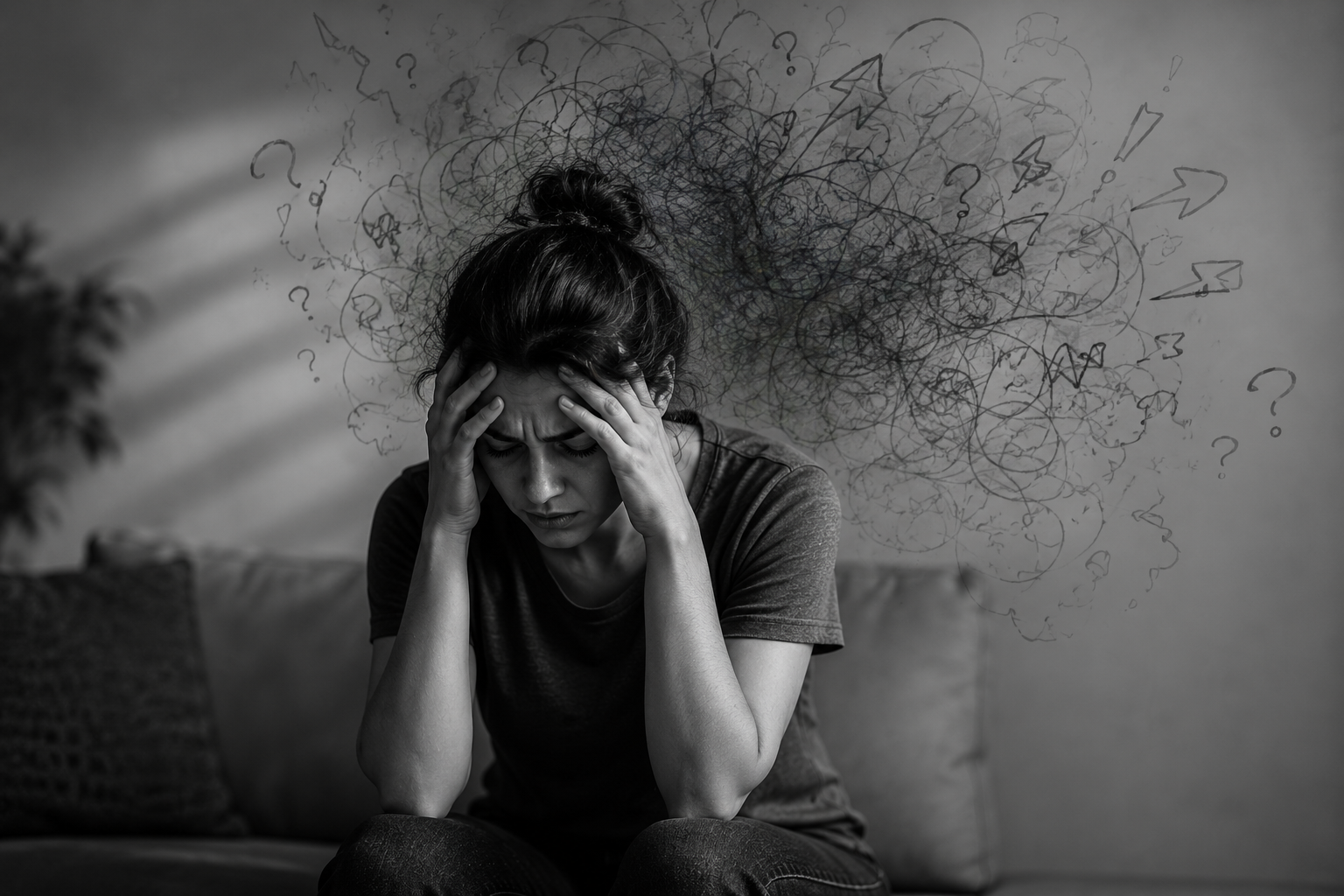
Anxiety is a natural response to stress, but when it feels overwhelming or persistent, it can affect daily life. Recognizing the signs and knowing how to respond can make a meaningful difference. This guide explains common anxiety symptoms, possible causes, and practical ways to find support and relief.
What Is Anxiety?
Anxiety is your body’s way of responding to perceived threats or challenges. It can show up as feelings of worry, nervousness, or fear, often accompanied by physical sensations like a racing heart or tense muscles. While occasional anxiety is normal, persistent or intense anxiety may signal an anxiety disorder that benefits from attention and care.
Common Signs and Symptoms
Anxiety can affect your mind and body in different ways. Some people experience:
- Emotional signs: Excessive worry, irritability, feeling on edge, or dread about the future.
- Physical signs: Rapid heartbeat, sweating, trembling, shortness of breath, dizziness, or fatigue.
- Behavioral signs: Avoiding situations that trigger anxiety, difficulty concentrating, or changes in sleep or appetite.
These symptoms vary from person to person and can range from mild to severe.
Why It Matters
When anxiety becomes frequent or interferes with daily activities, it’s important to address it. Left unmanaged, chronic anxiety can impact relationships, work performance, and overall well being. Recognizing the signs early allows you to take steps toward relief and support.
Possible Causes and Risk Factors
Anxiety doesn’t have a single cause. It often results from a combination of factors, including:
- Life events: Stressful situations like job changes, relationship issues, or financial pressures.
- Genetics: A family history of anxiety or mental health conditions may increase your risk.
- Brain chemistry: Imbalances in neurotransmitters, which regulate mood, can contribute to anxiety.
- Health conditions: Chronic illnesses, thyroid problems, or heart conditions may trigger or worsen anxiety.
- Substance use: Caffeine, alcohol, or certain medications can increase anxiety symptoms.
Understanding these factors can help you identify potential triggers and take steps to reduce their impact.
Prevention and Care Tips
While you can’t always prevent anxiety, these strategies can help you manage it and build resilience:
- Practice mindfulness: Techniques like deep breathing, meditation, or yoga can calm your nervous system and bring focus to the present moment.
- Stay active: Regular physical activity releases endorphins, which naturally reduce stress and improve mood.
- Limit stimulants: Reduce caffeine and alcohol, which can heighten anxiety symptoms.
- Prioritize sleep: Aim for consistent sleep routines and create a restful environment to support emotional balance.
- Connect with others: Share your feelings with trusted friends or family. Social support can ease emotional burdens.
- Set boundaries: Learn to say no and manage your time to avoid overwhelm.
When to Seek Medical Help
If anxiety feels unmanageable or interferes with your daily life, it may be time to reach out for professional support. Consider talking with a healthcare provider if you experience:
- Persistent feelings of dread or panic.
- Difficulty functioning at work, school, or home.
- Physical symptoms like chest pain, severe headaches, or digestive issues.
- Thoughts of self harm or suicide.
A healthcare professional can help determine if anxiety is part of an anxiety disorder and recommend appropriate care, such as therapy or medication.
What Readers Should Know
Anxiety is common and treatable. Seeking help is a sign of strength, not weakness. Whether through self care, therapy, or lifestyle changes, support is available. Small steps can lead to meaningful progress over time.
Supporting Someone with Anxiety
If you’re supporting a loved one with anxiety, listen without judgment and offer encouragement. Avoid minimizing their feelings or pressuring them to “just relax.” Instead, ask how you can help and remind them that they’re not alone.
Key Takeaways
- Anxiety is a natural response to stress, but persistent or intense anxiety may need attention.
- Common symptoms include worry, irritability, rapid heartbeat, and avoidance behaviors.
- Causes can include life stress, genetics, brain chemistry, health conditions, and substance use.
- Self care strategies like mindfulness, exercise, and sleep can help manage anxiety.
- Seek professional help if anxiety interferes with daily life or causes physical symptoms.
- Support from loved ones and healthcare providers can make a meaningful difference.
Frequently Asked Questions
How can I tell if my anxiety is normal or something more?
Normal anxiety comes and goes with stressful situations. If it feels persistent, overwhelming, or interferes with daily life, it may be worth discussing with a healthcare provider.
Are there natural ways to reduce anxiety without medication?
Yes. Mindfulness practices, regular physical activity, and limiting stimulants like caffeine can help manage anxiety symptoms naturally. However, if symptoms persist, professional support is recommended.
Can anxiety cause physical symptoms like chest pain or dizziness?
Yes. Anxiety can trigger physical sensations such as a racing heart, shortness of breath, dizziness, or muscle tension. If you experience severe or sudden symptoms, seek medical attention to rule out other conditions.
How do I talk to a doctor about my anxiety?
Start by describing your symptoms, how often they occur, and how they affect your daily life. Be honest about your feelings and any triggers you’ve noticed. Your doctor can help determine the best next steps.
What should I do if I feel like my anxiety is getting worse?
Reach out to a healthcare provider or mental health professional for support. They can help assess your symptoms and recommend appropriate care, whether through therapy, lifestyle changes, or other treatments.
Medical Review: MedSense Editorial Board
DISCUSSION (0)
POST A COMMENT