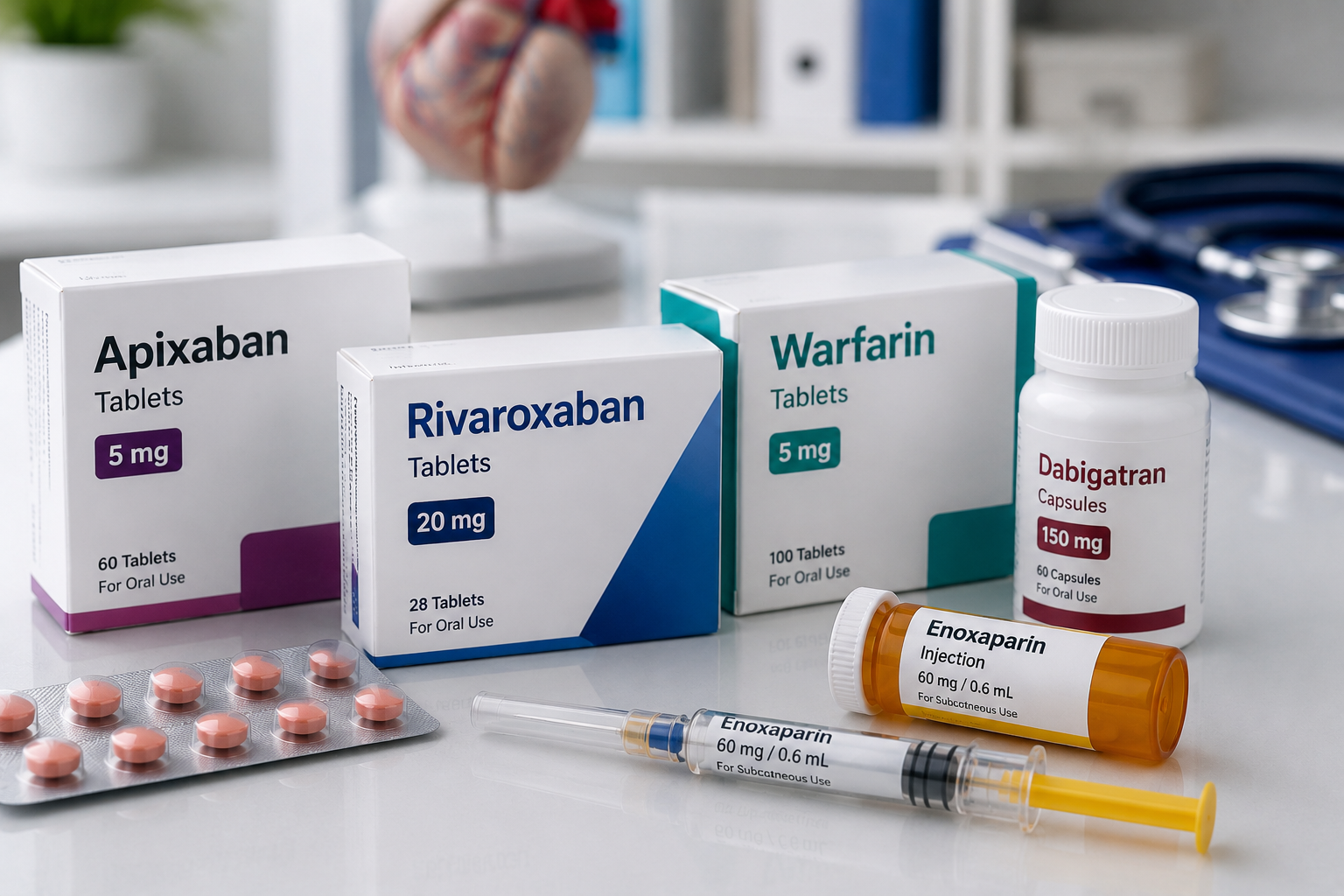
What Are Anticoagulants?
Anticoagulants are a class of medications that interfere with the body’s natural blood clotting process. Blood clotting is a vital function that prevents excessive bleeding when you’re injured, but sometimes clots can form inside blood vessels where they aren’t needed. These unwanted clots can block blood flow to critical organs like the heart, brain, or lungs, leading to life threatening conditions such as strokes, pulmonary embolisms, or heart attacks. Anticoagulants work by targeting specific proteins in the blood that are involved in clot formation, thereby reducing the risk of these dangerous events.
It’s important to note that anticoagulants do not dissolve existing blood clots. Instead, they prevent new clots from forming and stop existing clots from getting larger. This gives the body time to naturally break down the clot over time. For this reason, anticoagulants are often used as a preventive measure for people at high risk of clotting, as well as a treatment for those who already have a clot.
Why Are Anticoagulants Important?
Anticoagulants are a cornerstone of treatment for many cardiovascular and circulatory conditions. They are commonly prescribed to people with atrial fibrillation, a type of irregular heartbeat that increases the risk of stroke. They are also used to treat and prevent deep vein thrombosis, a condition where blood clots form in the deep veins of the legs, and pulmonary embolism, where a clot travels to the lungs. Additionally, anticoagulants may be prescribed to individuals who have undergone certain types of surgery, such as hip or knee replacement, where the risk of clotting is temporarily elevated.
For many patients, anticoagulants are life saving medications. For example, people with atrial fibrillation are five times more likely to have a stroke if they are not treated with an anticoagulant. Similarly, patients recovering from surgery or those with limited mobility due to illness or injury can significantly reduce their risk of dangerous clots by taking these medications. However, because anticoagulants affect the blood’s ability to clot, they must be used carefully to avoid complications like excessive bleeding.
Who Needs Anticoagulants?
Anticoagulants are prescribed for a variety of medical conditions and situations where the risk of blood clots is high. Some of the most common reasons include:
- Atrial fibrillation (AFib): This irregular heartbeat can cause blood to pool in the heart, increasing the risk of clots that can travel to the brain and cause a stroke.
- Deep vein thrombosis (DVT): A clot in a deep vein, usually in the leg, can cause pain, swelling, and potentially break off and travel to the lungs.
- Pulmonary embolism (PE): A blockage in one of the pulmonary arteries in the lungs, often caused by a clot that has traveled from elsewhere in the body.
- Heart valve replacement or repair: Artificial heart valves can increase the risk of clots forming on the valve surface.
- Recent surgery: Certain surgeries, particularly those involving the hips, knees, or abdomen, can increase the risk of clots due to reduced mobility during recovery.
- Genetic clotting disorders: Some people have inherited conditions, such as Factor V Leiden or protein C deficiency, that make their blood more prone to clotting.
Your doctor will assess your individual risk factors, such as your medical history, age, and lifestyle, to determine whether an anticoagulant is right for you. They will also consider the potential benefits and risks of the medication, as well as any other health conditions you may have.
Common Types of Anticoagulants
There are several types of anticoagulants, and they work in different ways. The most commonly prescribed anticoagulants include:
- Warfarin: One of the oldest and most widely used anticoagulants, warfarin works by blocking the effects of vitamin K, which is necessary for the production of certain clotting proteins in the liver. Warfarin requires regular blood tests to monitor its effectiveness and adjust the dose as needed. It can also interact with many foods and other medications, so patients taking warfarin need to be mindful of their diet and any new prescriptions.
- Heparin: Heparin is often used in hospitals and is given by injection. It works quickly to prevent clots from forming and is commonly used in emergency situations, such as during a heart attack or stroke, or to prevent clots in patients who are bedridden. There are also low molecular weight heparins, such as enoxaparin, which are easier to administer and do not require as much monitoring.
- Direct Oral Anticoagulants (DOACs): These newer medications, including apixaban, rivaroxaban, dabigatran, and edoxaban, work by directly targeting specific clotting proteins in the blood. DOACs are often preferred because they do not require regular blood tests, have fewer interactions with food and other medications, and have a more predictable effect. However, they can be more expensive and may not be suitable for everyone, such as those with certain types of heart valves or severe kidney disease.
Potential Side Effects and Risks
The most common and serious side effect of anticoagulants is bleeding. Because these medications reduce the blood’s ability to clot, even minor injuries can result in excessive bleeding. This can manifest as nosebleeds, bleeding gums, heavy menstrual periods, or bruising more easily than usual. In some cases, bleeding can occur internally, such as in the stomach or brain, which can be life threatening. It’s important to seek medical attention immediately if you experience signs of severe bleeding, such as vomiting blood, black or bloody stools, severe headaches, or unexplained swelling or pain.
Other potential side effects vary depending on the type of anticoagulant. For example, warfarin can cause skin necrosis, a rare but serious condition where skin tissue dies due to small clots forming in blood vessels. Heparin can sometimes cause a drop in platelet counts, a condition known as heparin induced thrombocytopenia. DOACs may cause stomach upset or, in rare cases, liver problems. Your doctor will discuss these risks with you and monitor you closely while you are taking an anticoagulant.
How to Take Anticoagulants Safely
Taking anticoagulants requires careful management to ensure they are effective and safe. Here are some important tips to follow:
- Follow your doctor’s instructions: Always take your medication exactly as prescribed. Do not skip doses or stop taking the medication without consulting your doctor, as this can increase your risk of clotting.
- Get regular check ups: If you are taking warfarin, you will need regular blood tests to monitor your international normalized ratio (INR), which measures how long it takes your blood to clot. This helps your doctor adjust your dose as needed. Even if you are taking a DOAC, regular follow up appointments are important to monitor for side effects and ensure the medication is working.
- Be mindful of interactions: Some foods, supplements, and medications can interact with anticoagulants. For example, foods high in vitamin K, such as leafy greens, can interfere with warfarin’s effectiveness. Alcohol can increase the risk of bleeding, and certain pain relievers, like ibuprofen or aspirin, can also raise this risk. Always check with your doctor or pharmacist before taking any new medications or supplements.
- Wear a medical alert bracelet: In case of an emergency, it’s important for healthcare providers to know that you are taking an anticoagulant. A medical alert bracelet or necklace can provide this information quickly.
- Take precautions to prevent injuries: Because anticoagulants increase the risk of bleeding, it’s important to take steps to avoid injuries. Use a soft bristled toothbrush, shave with an electric razor, and wear gloves when gardening or doing activities that could cause cuts or scrapes.
When to Seek Medical Care
While taking anticoagulants, it’s important to be aware of signs that may indicate a problem. Seek medical attention immediately if you experience any of the following:
- Unusual or severe bleeding, such as nosebleeds that won’t stop, bleeding gums, or blood in your urine or stool.
- Severe headaches, dizziness, or weakness, which could be signs of bleeding in the brain.
- Severe pain or swelling in your legs or arms, which could indicate a new blood clot.
- Black or tarry stools, or vomiting blood, which could signal internal bleeding.
- Signs of an allergic reaction, such as rash, itching, or difficulty breathing.
If you miss a dose of your anticoagulant, contact your doctor or pharmacist for advice. Do not double up on doses to make up for a missed one, as this can increase your risk of bleeding.
What Experts Recommend
Medical experts agree that anticoagulants are highly effective for preventing and treating blood clots, but they must be used carefully. The American Heart Association recommends that patients with atrial fibrillation who are at high risk of stroke be treated with anticoagulants, unless there is a strong reason not to. For patients with deep vein thrombosis or pulmonary embolism, anticoagulants are the standard of care to prevent recurrence.
Experts also emphasize the importance of shared decision making between patients and their healthcare providers. This means discussing the benefits and risks of anticoagulants, as well as any concerns or preferences the patient may have. For example, some patients may prefer a DOAC because it does not require regular blood tests, while others may opt for warfarin because it is more affordable or because they are comfortable with its long history of use.
Finally, experts recommend that patients taking anticoagulants stay informed about their medication and be proactive about their health. This includes keeping up with regular appointments, monitoring for side effects, and making lifestyle changes to reduce their risk of clotting, such as staying active, maintaining a healthy weight, and avoiding smoking.
Key Takeaways
- Anticoagulants are medications that prevent blood clots from forming or growing larger, reducing the risk of strokes, heart attacks, and other serious conditions.
- They are commonly prescribed for conditions like atrial fibrillation, deep vein thrombosis, and pulmonary embolism, as well as for patients recovering from certain surgeries.
- There are several types of anticoagulants, including warfarin, heparin, and direct oral anticoagulants (DOACs), each with its own benefits and risks.
- The most serious side effect of anticoagulants is bleeding, so it’s important to take them exactly as prescribed and monitor for signs of excessive bleeding.
- Regular check ups, being mindful of food and drug interactions, and taking precautions to prevent injuries are key to using anticoagulants safely.
- Always seek medical attention if you experience signs of severe bleeding or other concerning symptoms while taking an anticoagulant.
Frequently Asked Questions
Are anticoagulants the same as blood thinners?
While anticoagulants are often called blood thinners, they don’t actually thin the blood. Instead, they interfere with the blood’s clotting process to prevent clots from forming or growing larger.
Can I take anticoagulants if I’m pregnant?
Some anticoagulants, like heparin, are considered safe during pregnancy, while others, like warfarin, are not. If you are pregnant or planning to become pregnant, talk to your doctor about the safest options for you.
How long will I need to take an anticoagulant?
The length of time you need to take an anticoagulant depends on your medical condition. Some people may only need them for a few months, while others may take them long term. Your doctor will determine the best duration for your situation.
Can I drink alcohol while taking an anticoagulant?
Alcohol can increase the risk of bleeding when taken with anticoagulants. It’s best to limit alcohol or avoid it altogether while taking these medications. Check with your doctor for specific guidance.
What should I do if I miss a dose of my anticoagulant?
If you miss a dose, contact your doctor or pharmacist for advice. Do not double up on doses to make up for a missed one, as this can increase your risk of bleeding. The best course of action depends on the type of anticoagulant you are taking.
Medical Review: MedSense Editorial Board
DISCUSSION (0)
POST A COMMENT