What Was Diabetes Like Before Insulin?
Before the discovery of insulin, diabetes, particularly type 1 diabetes, was a terrifying and mysterious disease. Physicians in ancient times recognized the condition by its hallmark symptoms, excessive thirst, frequent urination, and rapid weight loss, but they had no understanding of its cause or how to treat it. By the 19th century, doctors knew that diabetes involved problems with sugar metabolism, but their treatments were limited and often ineffective. Patients were placed on extreme diets, sometimes consuming as few as 400 calories a day, which prolonged life slightly but left them weak and malnourished. Children diagnosed with diabetes rarely survived more than a year, and adults fared only marginally better. The lack of effective treatment meant that families watched helplessly as their loved ones wasted away, making the search for a cure all the more urgent.
The Scientists Behind the Breakthrough
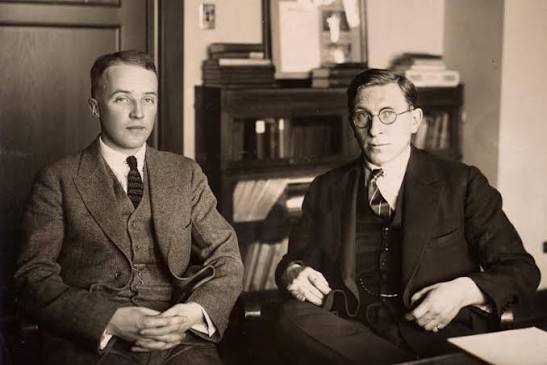
The discovery of insulin is credited to a team of researchers at the University of Toronto, led by Dr. Frederick Banting, a young surgeon with a bold idea, and his assistant, Charles Best, a medical student. Banting was inspired by earlier research suggesting that a substance produced in the pancreas could regulate blood sugar. However, previous attempts to isolate this substance had failed because digestive enzymes in the pancreas destroyed it during extraction. Banting hypothesized that if he could tie off the pancreatic ducts in animals, the enzyme producing cells would die, leaving behind the insulin producing cells intact. With the support of Professor J.J.R. Macleod, who provided laboratory space and resources, Banting and Best began their experiments in the summer of 1921.
The Experiments That Changed Medicine
Their early experiments involved dogs, whose pancreases were surgically altered to test Banting’s theory. After weeks of trial and error, the team successfully extracted a substance they called "isletin" (later renamed insulin) from the pancreatic tissue. When they injected this extract into diabetic dogs, their blood sugar levels dropped dramatically, and their symptoms improved. The results were so promising that the team knew they were onto something revolutionary. However, producing enough insulin for human trials proved challenging. With the help of biochemist James Collip, they refined the extraction process, purifying the insulin to make it safe for human use. In January 1922, the first human trial took place on a 14 year old boy named Leonard Thompson, who was dying of diabetes. After receiving the insulin injection, his blood sugar levels normalized, and his condition improved almost miraculously. The success of this trial marked the beginning of a new era in diabetes treatment.
How Insulin Transformed Diabetes Care
The discovery of insulin was nothing short of a medical miracle. Almost overnight, diabetes went from being a fatal diagnosis to a manageable chronic condition. News of the breakthrough spread quickly, and by 1923, insulin was being produced on a large scale, thanks to a partnership with the pharmaceutical company Eli Lilly. For the first time, people with diabetes could live full, productive lives instead of facing certain death. The impact was particularly profound for children, who were no longer doomed to a short, suffering filled existence. The discovery also paved the way for further research into diabetes, leading to better insulin formulations, delivery methods like insulin pumps, and a deeper understanding of the disease itself. Today, insulin remains one of the most important and widely used medications in the world, a testament to the power of scientific innovation.
The Legacy of the Discovery
The discovery of insulin was not just a scientific triumph but also a story of collaboration and perseverance. In 1923, Banting and Macleod were awarded the Nobel Prize in Physiology or Medicine for their work, though Banting famously shared his prize money with Best, recognizing his indispensable contribution. The discovery also highlighted the importance of teamwork in medical research, as it took the combined efforts of surgeons, biochemists, and laboratory assistants to achieve success. Beyond the accolades, the real legacy of insulin lies in the lives it has saved and improved. Millions of people with diabetes owe their health and longevity to this breakthrough, and the story of its discovery continues to inspire scientists and patients alike. It serves as a reminder that even the most daunting medical challenges can be overcome with determination, creativity, and a commitment to improving human health.
Why This Discovery Still Matters Today
More than a century after its discovery, insulin remains a cornerstone of diabetes treatment, but its story is far from over. While insulin has saved countless lives, access to this life saving medication remains a challenge for many people around the world due to high costs and limited availability. The discovery of insulin also sparked ongoing research into better treatments for diabetes, including artificial pancreas systems, stem cell therapies, and even potential cures. For people living with diabetes today, the story of insulin is a source of hope, a reminder that medical science can achieve the impossible. It also underscores the importance of continued investment in research, as the fight against diabetes and other chronic diseases is far from finished. By understanding the history of insulin, we can appreciate the progress that has been made and the work that still lies ahead.
What Experts Say About the Discovery
Medical historians and diabetes experts often cite the discovery of insulin as one of the most significant milestones in modern medicine. Dr. Michael Bliss, a renowned historian who chronicled the story of insulin in his book The Discovery of Insulin, described it as "a moment when the world changed for people with diabetes." Endocrinologists today continue to build on the foundation laid by Banting, Best, and their colleagues, working toward better treatments and, ultimately, a cure for diabetes. The American Diabetes Association and other organizations frequently highlight the discovery of insulin as a turning point in medical history, emphasizing how it transformed a once deadly disease into a condition that can be managed with proper care. The story of insulin is a powerful example of how scientific breakthroughs can change lives and shape the future of medicine.
Key Takeaways
- The discovery of insulin in the early 1920s transformed diabetes from a fatal disease into a manageable condition, saving millions of lives.
- Before insulin, people with diabetes, especially children, had little hope for survival and were often subjected to extreme, ineffective treatments.
- The breakthrough was the result of collaborative efforts by Dr. Frederick Banting, Charles Best, J.J.R. Macleod, and James Collip at the University of Toronto.
- The first successful human trial of insulin took place in 1922 on a 14 year old boy, marking the beginning of modern diabetes treatment.
- Insulin’s discovery led to large scale production, making it accessible to patients worldwide and paving the way for further advancements in diabetes care.
- The legacy of insulin continues to inspire research into better treatments, improved access, and potential cures for diabetes.
Frequently Asked Questions
Who discovered insulin?
Insulin was discovered by a team of researchers at the University of Toronto, led by Dr. Frederick Banting and his assistant Charles Best. Their work was supported by Professor J.J.R. Macleod and biochemist James Collip, who helped refine the extraction process.
Why was the discovery of insulin so important?
Before insulin, diabetes was a fatal disease with no effective treatment. The discovery of insulin transformed it into a manageable condition, allowing people with diabetes to live longer, healthier lives. It was one of the most significant medical breakthroughs of the 20th century.
How was insulin first tested?
Insulin was first tested on diabetic dogs, whose blood sugar levels dropped dramatically after receiving the extract. The first human trial took place in 1922 on a 14 year old boy named Leonard Thompson, who showed remarkable improvement after receiving insulin injections.
What challenges did the researchers face in discovering insulin?
The researchers faced several challenges, including difficulties in extracting insulin without destroying it, producing enough for human trials, and purifying it to make it safe. Their persistence and collaboration were key to overcoming these obstacles.
Is insulin still used today?
Yes, insulin remains a cornerstone of diabetes treatment and is used by millions of people worldwide. While the formulations and delivery methods have improved, the basic principle of insulin therapy remains the same as it was in the 1920s.
What is the future of insulin and diabetes treatment?
Researchers continue to work on improving insulin therapy, including developing faster acting and longer lasting formulations. There is also ongoing research into artificial pancreas systems, stem cell therapies, and potential cures for diabetes, building on the foundation laid by the discovery of insulin.
Medical Review: MedSense Editorial Board
DISCUSSION (0)
POST A COMMENT