What Is DNA?
DNA, or deoxyribonucleic acid, is a long, spiral shaped molecule found in nearly every cell of the human body. It contains the genetic instructions that determine everything from eye color to how our bodies grow, function, and respond to illness. Think of DNA as a detailed instruction manual that cells use to build and maintain life. Each person’s DNA is unique, which is why it plays a critical role in everything from forensic science to the diagnosis and treatment of genetic disorders.
Before DNA was discovered, scientists knew that traits were passed from parents to children, but they did not understand the mechanism behind this inheritance. The journey to uncovering DNA’s role began in the 19th century and culminated in the mid 20th century with a discovery that would change medicine forever.
Early Clues: The Foundations of DNA Research
The story of DNA’s discovery begins in 1869, when Swiss biochemist Friedrich Miescher isolated a substance from the nuclei of white blood cells found in pus soaked bandages. He called this substance "nuclein," unaware that he had just identified the material we now know as DNA. At the time, Miescher’s findings were intriguing but not yet connected to heredity or genetics. Scientists were still decades away from understanding the true significance of his work.
In the early 20th century, researchers began to piece together the role of chromosomes in inheritance. Chromosomes, thread like structures in the cell nucleus, were found to carry genetic information. Scientists suspected that a specific molecule within chromosomes was responsible for passing traits from one generation to the next, but the identity of this molecule remained unknown. The race to uncover it would soon intensify, with competing teams of scientists working to solve the puzzle.
The Race to Uncover DNA’s Structure
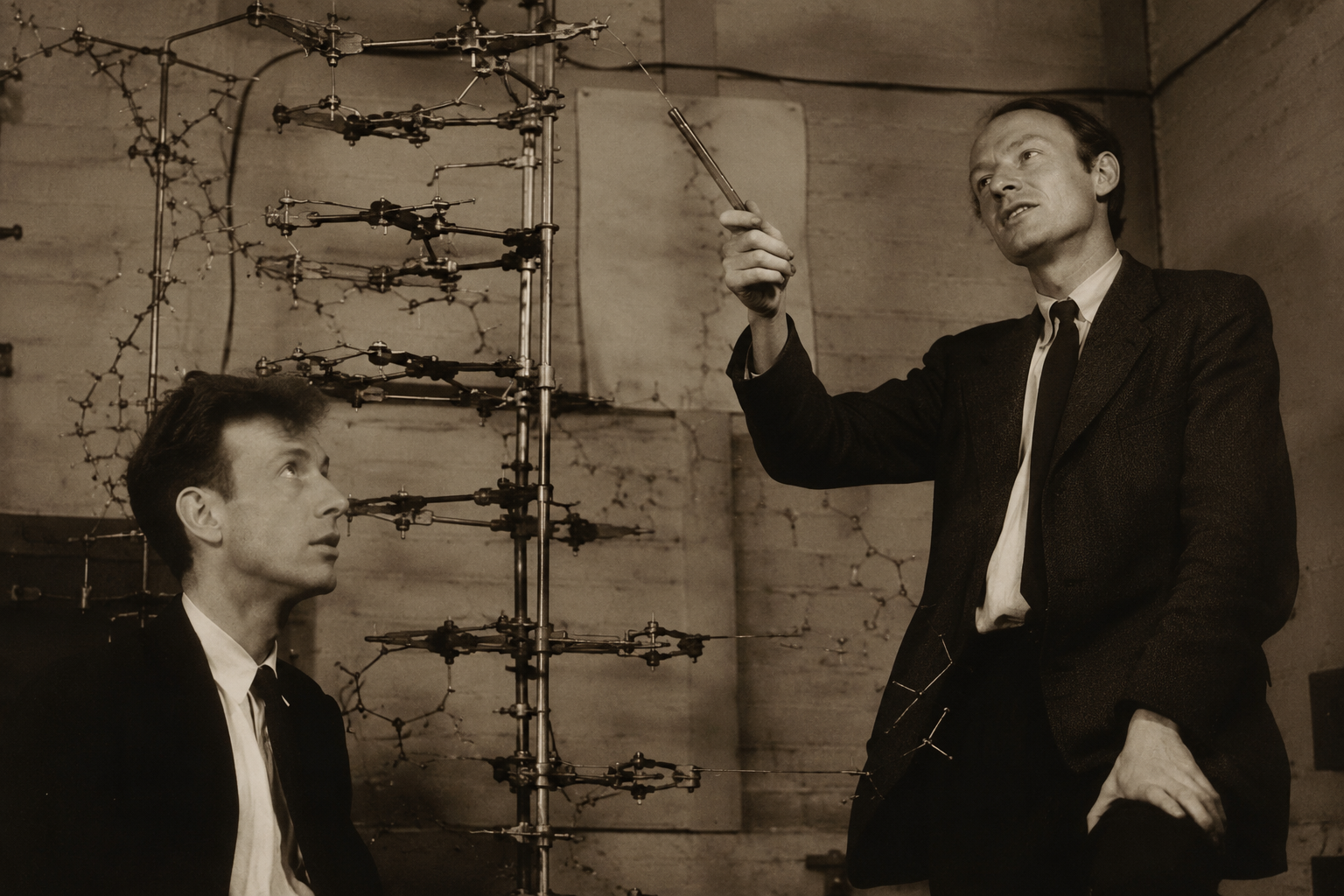
By the 1940s and 1950s, the scientific community was abuzz with the question of DNA’s structure. Two teams of researchers emerged as front runners in this race: James Watson and Francis Crick at the University of Cambridge, and Maurice Wilkins and Rosalind Franklin at King’s College London. While Watson and Crick are often credited with the discovery of DNA’s structure, the contributions of Franklin, in particular, were pivotal. Her work with X ray crystallography provided the critical images that revealed DNA’s double helix shape.
Franklin’s famous "Photo 51" showed a clear pattern of a helical structure, which Watson and Crick used to build their now iconic model of DNA. In 1953, they published their findings in the journal Nature, proposing that DNA consisted of two strands twisted around each other in a double helix, with pairs of chemical bases forming the rungs of the ladder. This structure explained how DNA could replicate itself and pass genetic information from one generation to the next. The discovery was a watershed moment, earning Watson, Crick, and Wilkins the Nobel Prize in Physiology or Medicine in 1962.
Why the Discovery of DNA Matters to Health and Medicine
The discovery of DNA’s structure was not just a scientific triumph, it was a revolution for medicine and human health. Understanding DNA allowed scientists to explore how genes influence health, disease, and even behavior. For example, researchers could now investigate why some people are more susceptible to certain illnesses, such as cancer or heart disease, based on their genetic makeup. This knowledge paved the way for genetic testing, which can identify inherited conditions like cystic fibrosis or sickle cell anemia before symptoms even appear.
DNA’s discovery also laid the groundwork for modern biotechnology and personalized medicine. Today, doctors can use genetic information to tailor treatments to an individual’s unique DNA, a practice known as precision medicine. For instance, some cancer therapies are designed to target specific genetic mutations in a patient’s tumor, improving effectiveness and reducing side effects. Without the foundational work of Miescher, Franklin, Watson, Crick, and others, these advancements would not have been possible.
Who Was Affected by the Discovery of DNA?
The impact of DNA’s discovery extends far beyond the scientific community. It has touched nearly every aspect of human life, from healthcare to law enforcement to agriculture. For patients and families, DNA testing has provided answers to long standing medical mysteries, such as the cause of rare genetic disorders. In forensic science, DNA evidence has revolutionized criminal investigations, helping to solve cold cases and exonerate wrongfully convicted individuals.
In agriculture, DNA research has led to the development of genetically modified crops that are more resistant to pests and drought, improving food security for millions of people. Even in everyday life, DNA testing kits have become popular tools for exploring ancestry and learning about one’s genetic heritage. The discovery of DNA has truly reshaped our world, making it one of the most important scientific breakthroughs of all time.
What Experts Recommend: The Future of DNA Research
While the discovery of DNA has already transformed medicine, experts believe the best is yet to come. Researchers are now exploring how to edit genes to correct mutations that cause disease, a field known as gene therapy. CRISPR, a groundbreaking gene editing tool, has shown promise in treating conditions like sickle cell disease and certain types of blindness. However, experts also caution that ethical considerations must guide the future of genetic research, particularly when it comes to editing human embryos or making permanent changes to the human genome.
Public health experts also emphasize the importance of genetic literacy, encouraging people to understand their own DNA and how it may influence their health. For example, knowing whether you carry a gene that increases your risk of breast cancer or Alzheimer’s disease can empower you to take preventive measures, such as regular screenings or lifestyle changes. As DNA research continues to advance, it will be crucial for both scientists and the public to engage in thoughtful discussions about its implications.
When to Seek Genetic Counseling
For individuals or families with a history of genetic disorders, genetic counseling can provide valuable insights and guidance. A genetic counselor is a healthcare professional trained to help people understand their risk of inherited conditions and make informed decisions about genetic testing. You might consider seeking genetic counseling if you have a family history of diseases like cancer, heart disease, or neurological disorders, or if you are planning a pregnancy and want to assess the risk of passing on a genetic condition to your child.
Genetic testing is not for everyone, and it is important to weigh the benefits and limitations of such tests. For example, while a genetic test might reveal an increased risk for a certain disease, it cannot always predict whether or when the disease will develop. A genetic counselor can help you navigate these complexities and decide whether testing is right for you.
Key Takeaways
- DNA, or deoxyribonucleic acid, is the molecule that carries genetic instructions for all living organisms and was discovered through decades of scientific research.
- The discovery of DNA’s double helix structure in 1953 by James Watson, Francis Crick, and Maurice Wilkins (with critical contributions from Rosalind Franklin) revolutionized medicine and genetics.
- Understanding DNA has led to advancements in genetic testing, personalized medicine, and treatments for inherited diseases, improving health outcomes for millions of people.
- DNA research has applications beyond medicine, including forensic science, agriculture, and ancestry testing, making it one of the most impactful scientific discoveries in history.
- The future of DNA research holds promise for gene therapy and precision medicine, but ethical considerations must guide its development to ensure responsible use.
Frequently Asked Questions
Who discovered DNA?
DNA was not discovered by a single person. Friedrich Miescher first isolated DNA in 1869, but its structure was not understood until 1953, when James Watson, Francis Crick, and Maurice Wilkins proposed the double helix model. Rosalind Franklin’s X ray crystallography work was crucial to this discovery.
Why is the discovery of DNA important?
The discovery of DNA is important because it revealed the molecular basis of heredity and genetics. This knowledge has led to breakthroughs in medicine, such as genetic testing, personalized treatments, and gene therapy, as well as applications in forensic science and agriculture.
How does DNA affect my health?
DNA contains the instructions for how your body functions, including your risk for certain diseases. Genetic variations can influence your susceptibility to conditions like cancer, heart disease, or diabetes. Understanding your DNA can help you and your doctor make informed decisions about prevention and treatment.
What is genetic testing, and should I get it?
Genetic testing analyzes your DNA to identify changes or mutations that may increase your risk of certain diseases. Whether you should get genetic testing depends on your family history, personal health, and goals. A genetic counselor can help you decide if testing is right for you.
What is CRISPR, and how is it related to DNA?
CRISPR is a gene editing tool that allows scientists to make precise changes to DNA. It has the potential to correct genetic mutations that cause diseases, but it also raises ethical questions about how and when it should be used, particularly in human embryos.
Medical Review: MedSense Editorial Board
DISCUSSION (0)
POST A COMMENT