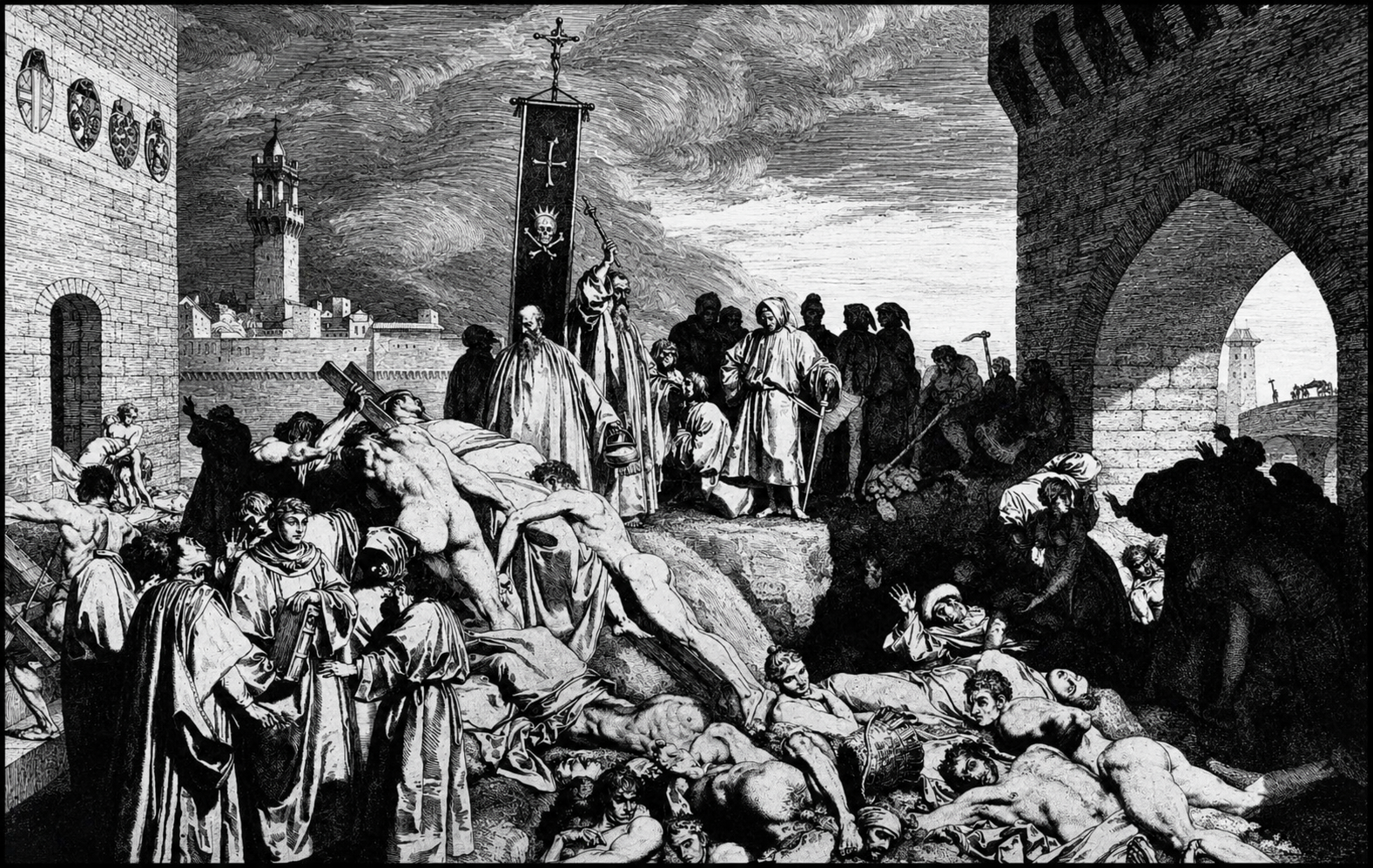
What Was the Black Death?
The Black Death, also known as the Great Plague or simply the Plague, was a global epidemic of bubonic plague that struck between 1347 and 1351. It was caused by the bacterium Yersinia pestis, which is primarily spread through fleas that infest rats and other rodents. When these fleas bit humans, they transmitted the bacteria, leading to severe illness. The name "Black Death" likely comes from the dark, gangrenous patches that appeared on the skin of victims, a result of subcutaneous hemorrhaging. While bubonic plague was the most common form, the pandemic also included cases of septicemic and pneumonic plague, which were even deadlier.
How Did the Black Death Spread?
The Black Death originated in Central Asia, possibly in the region around the Caspian Sea, before spreading along trade routes such as the Silk Road. It reached the Crimean Peninsula by 1346, where it was allegedly spread to European traders by besieging Mongol armies who catapulted infected corpses into the city of Caffa (modern day Feodosia). From there, infected rats and fleas hitched rides on merchant ships, carrying the disease to ports across the Mediterranean, including Sicily, Genoa, and Marseille. Once it arrived in Europe, the plague spread rapidly due to poor sanitation, crowded living conditions, and limited medical knowledge. Fleas thrived in the unsanitary environments of medieval cities, and the lack of understanding about disease transmission meant that people had no effective way to stop its spread.
Symptoms of the Black Death
The symptoms of the Black Death varied depending on the form of plague a person contracted. The most common form, bubonic plague, was characterized by the sudden onset of fever, chills, weakness, and painful, swollen lymph nodes called buboes, which typically appeared in the groin, armpits, or neck. These buboes could grow to the size of an egg and often turned black as the tissue died. Other symptoms included severe headaches, muscle pain, and delirium. In cases of septicemic plague, the bacteria entered the bloodstream, causing widespread infection, organ failure, and often death within 24 hours. Pneumonic plague, the least common but most deadly form, attacked the lungs and could be spread through coughing or sneezing, leading to rapid respiratory failure. Without modern antibiotics, the mortality rate for bubonic plague was around 60 to 80 percent, while septicemic and pneumonic plague were almost always fatal.
The Impact on Medieval Society
The Black Death had profound and far reaching effects on medieval society. With so many deaths, labor shortages became severe, leading to economic upheaval. Peasants who survived found themselves in higher demand, which gave them greater bargaining power and contributed to the decline of the feudal system. Wages rose, and many serfs gained their freedom as landowners competed for workers. The pandemic also led to social unrest, as people sought scapegoats for the disaster. Jewish communities, in particular, were targeted and accused of poisoning wells, leading to violent persecutions and massacres. The Church, which had been a dominant force in medieval life, also faced criticism as prayers and religious rituals failed to stop the plague. This erosion of faith contributed to the later Protestant Reformation.
Medical Understanding and Responses at the Time
Medieval medicine was ill equipped to deal with the Black Death. Physicians at the time relied on theories from ancient Greek and Roman scholars, such as Galen and Hippocrates, who believed that disease was caused by an imbalance in the body’s four humors: blood, phlegm, black bile, and yellow bile. Treatments often involved bloodletting, applying leeches, or using herbal remedies, none of which were effective against the plague. Some doctors wore elaborate costumes, including long robes, gloves, and beaked masks filled with aromatic herbs, in an attempt to protect themselves from "bad air" (miasma), which was thought to spread disease. Quarantine measures were introduced in some cities, such as Venice, where ships were required to anchor for 40 days (the origin of the word "quarantine") before passengers could disembark. However, these measures were inconsistently applied and often too late to make a significant difference.
Lessons for Modern Medicine
The Black Death serves as a stark reminder of the devastating power of infectious diseases and the importance of public health measures. While modern medicine has made tremendous advances, including the development of antibiotics to treat plague, the pandemic highlights the need for vigilance. Outbreaks of plague still occur today, particularly in parts of Africa, Asia, and the Americas, though they are far less deadly thanks to antibiotics and improved sanitation. The Black Death also underscores the importance of understanding disease transmission. The medieval belief in miasma theory delayed effective responses, whereas the later discovery of germ theory revolutionized medicine. Today, public health efforts focus on tracking outbreaks, promoting hygiene, and developing vaccines to prevent the spread of infectious diseases.
When to Seek Medical Care for Plague Today
While the Black Death is a historical event, plague still exists in some parts of the world. If you live in or travel to areas where plague is endemic, such as rural regions of Africa, Asia, or the southwestern United States, it is important to be aware of the symptoms. Seek medical attention immediately if you develop sudden fever, chills, weakness, or swollen lymph nodes, especially if you have been exposed to rodents, fleas, or sick animals. Early treatment with antibiotics can be highly effective, but delay can be fatal. Public health authorities recommend avoiding contact with wild rodents, using insect repellent to prevent flea bites, and keeping pets free of fleas to reduce the risk of infection.
What Experts Recommend
Historians and medical experts emphasize the importance of learning from the Black Death to prevent future pandemics. Key recommendations include investing in public health infrastructure, supporting scientific research, and promoting global cooperation to track and respond to infectious diseases. The COVID 19 pandemic has shown that even in the modern era, diseases can spread rapidly and disrupt societies. By studying the Black Death, we can better understand the social, economic, and medical challenges posed by pandemics and work to mitigate their impact. Experts also stress the importance of accurate information and avoiding scapegoating, as fear and misinformation can exacerbate the effects of a crisis.
Key Takeaways
- The Black Death was a devastating pandemic caused by the bacterium Yersinia pestis, killing an estimated 75 to 200 million people in the 14th century.
- It spread rapidly along trade routes, facilitated by poor sanitation, crowded living conditions, and a lack of medical knowledge about disease transmission.
- Symptoms included fever, painful buboes, and in severe cases, organ failure or respiratory collapse, with mortality rates as high as 80 percent for untreated cases.
- The pandemic had profound social and economic effects, including the decline of feudalism, labor shortages, and widespread persecution of marginalized groups.
- Medieval medicine was ineffective against the plague, relying on outdated theories like miasma and humoral imbalance, but early quarantine measures laid the groundwork for modern public health practices.
- While plague still exists today, it is treatable with antibiotics, and public health measures such as rodent control and hygiene can prevent outbreaks.
- The Black Death offers important lessons for modern medicine, including the need for global cooperation, accurate information, and investment in public health infrastructure.
Frequently Asked Questions
What caused the Black Death?
The Black Death was caused by the bacterium Yersinia pestis, which was primarily spread through fleas that infested rats and other rodents. When these fleas bit humans, they transmitted the bacteria, leading to bubonic plague and other forms of the disease.
How did the Black Death spread so quickly?
The Black Death spread rapidly due to a combination of factors, including trade routes like the Silk Road, crowded and unsanitary living conditions in medieval cities, and a lack of understanding about how diseases were transmitted. Infected rats and fleas hitched rides on ships and caravans, carrying the disease across continents.
What were the symptoms of the Black Death?
Symptoms varied depending on the form of plague. Bubonic plague caused fever, chills, weakness, and painful swollen lymph nodes called buboes. Septicemic plague led to widespread infection and organ failure, while pneumonic plague attacked the lungs and could be spread through coughing or sneezing.
Did anyone survive the Black Death?
Yes, many people survived the Black Death, though the mortality rate was extremely high. Those who survived often had milder cases or stronger immune systems. Survival rates varied by region, with some areas experiencing higher death tolls than others.
Does the Black Death still exist today?
Yes, plague still exists today, though it is rare and treatable with antibiotics. Cases are most commonly reported in rural areas of Africa, Asia, and the Americas, particularly where people live in close contact with rodents or fleas. Public health measures such as rodent control and hygiene help prevent outbreaks.
What lessons did the Black Death teach us?
The Black Death taught us the importance of public health measures, such as quarantine and sanitation, as well as the need for scientific research to understand and combat infectious diseases. It also highlighted the dangers of misinformation and scapegoating during crises, as well as the resilience of societies in the face of adversity.
Medical Review: MedSense Editorial Board
DISCUSSION (0)
POST A COMMENT