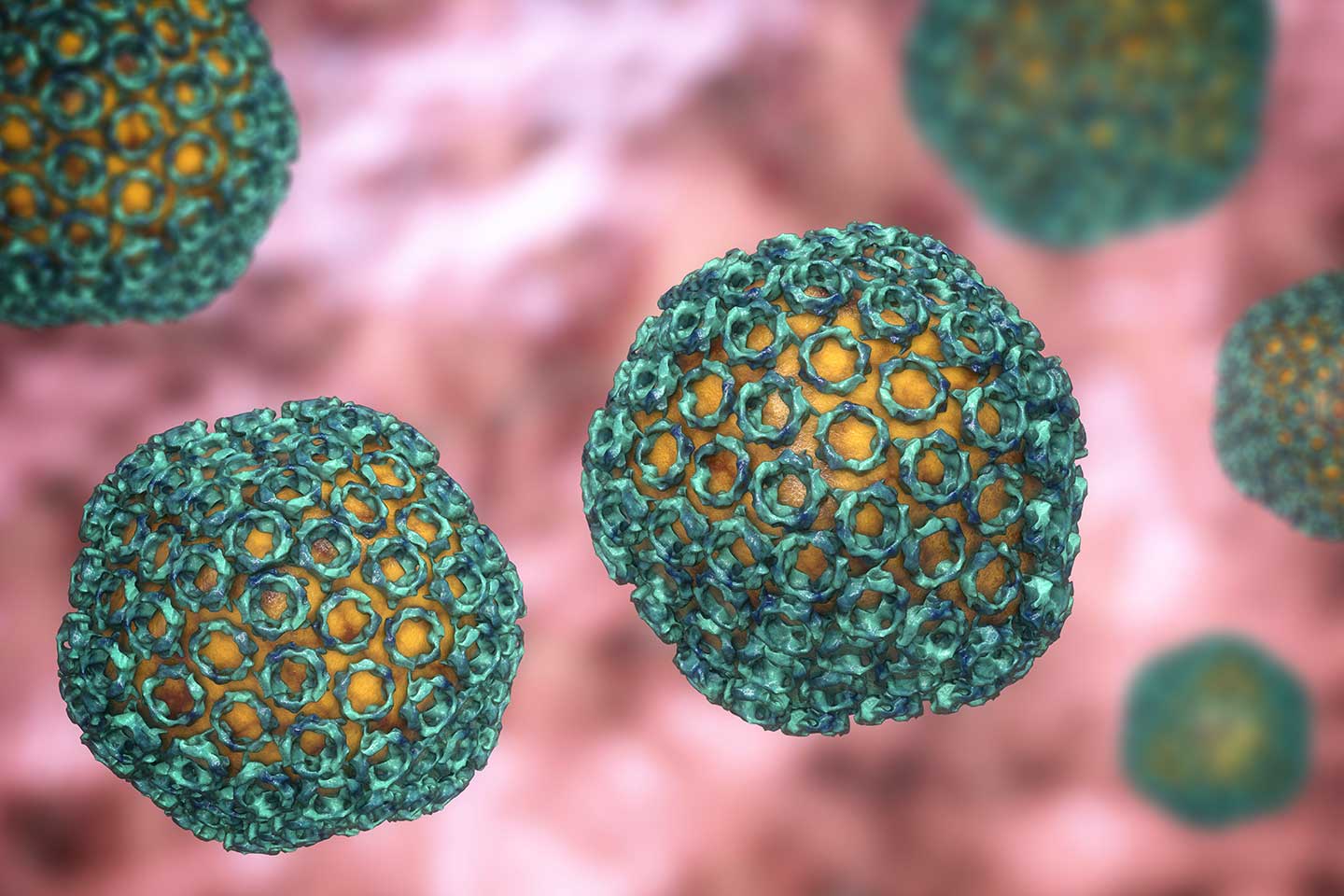
What Is Rift Valley Fever?
Rift Valley Fever is caused by the Rift Valley Fever virus, a member of the Phlebovirus genus. The virus is primarily transmitted through the bites of infected mosquitoes, particularly those belonging to the Aedes and Culex species. These mosquitoes thrive in warm, wet environments, which is why outbreaks often follow periods of heavy rainfall or flooding. The disease can also spread to humans through direct or indirect contact with the blood, body fluids, or tissues of infected animals. This includes handling animal carcasses, assisting with animal births, or consuming raw or undercooked animal products like milk or meat.
In animals, Rift Valley Fever can cause widespread illness and death, particularly in young livestock. Infected animals may experience fever, weakness, and spontaneous abortions in pregnant females. For humans, the disease can range from mild flu like symptoms to severe complications, including vision loss, brain inflammation, or even death. While most human cases are mild, the potential for severe outcomes makes Rift Valley Fever a significant public health concern in regions where it is endemic.
Who Is at Risk for Rift Valley Fever?
Rift Valley Fever primarily affects people who live in or travel to regions where the disease is endemic. These areas include parts of sub Saharan Africa, such as Kenya, South Africa, and Sudan, as well as the Arabian Peninsula, particularly Saudi Arabia and Yemen. Outbreaks are more likely to occur in rural or agricultural communities where people work closely with livestock. Farmers, veterinarians, abattoir workers, and laboratory personnel handling animal samples are at higher risk of exposure due to their increased contact with potentially infected animals or materials.
Mosquito exposure is another major risk factor. People who spend a lot of time outdoors in areas with standing water, where mosquitoes breed, are more likely to be bitten by infected insects. Travelers to endemic regions should also be aware of the risks, especially during or after periods of heavy rainfall, which can lead to mosquito population surges. While the disease does not spread directly from person to person, close contact with infected individuals, such as healthcare workers caring for patients, could pose a risk if proper protective measures are not followed.
Symptoms of Rift Valley Fever in Humans
Symptoms of Rift Valley Fever in humans typically appear within two to six days after exposure to the virus. Many people experience mild illness, with symptoms resembling the flu. These may include fever, muscle and joint pain, headache, and fatigue. Some individuals may also develop nausea, vomiting, or a rash. These symptoms usually resolve on their own within a week, and most people recover fully without long term complications.
However, a small percentage of cases can progress to more severe forms of the disease. Severe Rift Valley Fever may lead to complications such as ocular disease, which can cause blurred vision, eye pain, or even permanent vision loss if the retina is damaged. Another serious complication is encephalitis, an inflammation of the brain that can result in confusion, seizures, or loss of consciousness. In some cases, the disease can cause hemorrhagic fever, characterized by bleeding from the gums, nose, or internal organs, which can be life threatening. People with weakened immune systems, such as those with chronic illnesses or the elderly, are at higher risk of developing severe symptoms.
How Is Rift Valley Fever Diagnosed and Treated?
Diagnosing Rift Valley Fever involves a combination of clinical evaluation and laboratory testing. Healthcare providers may suspect the disease based on symptoms and a history of exposure to mosquitoes or infected animals. Blood tests can confirm the presence of the virus or antibodies produced by the immune system in response to infection. In some cases, additional tests, such as liver function tests or imaging studies, may be needed to assess complications like encephalitis or hemorrhagic fever.
There is no specific antiviral treatment for Rift Valley Fever, so care focuses on managing symptoms and preventing complications. Mild cases often require only supportive care, such as rest, fluids, and over the counter pain relievers like acetaminophen or ibuprofen. Severe cases may require hospitalization for closer monitoring and treatment of complications. For example, patients with encephalitis may need medications to reduce brain swelling, while those with hemorrhagic fever may require blood transfusions or other supportive therapies. Early medical attention is crucial for improving outcomes in severe cases.
Preventing Rift Valley Fever
Prevention is the most effective way to reduce the risk of Rift Valley Fever, particularly in regions where the disease is endemic. One of the primary strategies is controlling mosquito populations to limit the spread of the virus. This can be achieved by eliminating standing water around homes and communities, where mosquitoes breed, and using insecticides to reduce mosquito numbers. Wearing long sleeved clothing, using mosquito repellents containing DEET or picaridin, and sleeping under mosquito nets can also help protect against bites.
For people who work with livestock, taking precautions to avoid direct contact with potentially infected animals is essential. This includes wearing protective clothing, such as gloves and masks, when handling animals or their tissues. Avoiding the consumption of raw or undercooked animal products, such as milk or meat, can also reduce the risk of infection. Vaccination is another important preventive measure, though currently, vaccines are primarily available for livestock. Research is ongoing to develop a safe and effective human vaccine, which could provide additional protection in the future.
During outbreaks, public health authorities may implement additional measures, such as restricting the movement of livestock or conducting mass vaccination campaigns for animals. Travelers to endemic regions should stay informed about local health advisories and take steps to minimize their risk of exposure. If you develop symptoms of Rift Valley Fever after traveling to an affected area, seek medical attention promptly and inform your healthcare provider about your travel history.
When to Seek Medical Care
Most cases of Rift Valley Fever are mild and resolve without medical intervention. However, it is important to seek medical care if you experience severe symptoms or if your condition worsens after a few days. Signs that may indicate a more serious infection include persistent high fever, severe headache, confusion, seizures, or signs of bleeding, such as blood in the urine or stool. These symptoms could signal complications like encephalitis or hemorrhagic fever, which require immediate medical attention.
If you live in or have recently traveled to an area where Rift Valley Fever is endemic and develop flu like symptoms, contact your healthcare provider. Early diagnosis and supportive care can help prevent complications and improve recovery. Be sure to mention any potential exposure to mosquitoes or infected animals, as this information can help guide your provider’s evaluation and treatment plan.
What Experts Recommend
Public health experts emphasize the importance of surveillance and early detection in controlling Rift Valley Fever outbreaks. Monitoring mosquito populations and animal health can help identify potential outbreaks before they spread to humans. In regions where the disease is endemic, authorities often conduct regular testing of livestock and implement vaccination programs to reduce the risk of transmission.
For individuals, experts recommend taking proactive steps to reduce exposure to mosquitoes and infected animals. This includes using insect repellent, wearing protective clothing, and avoiding contact with sick or dead animals. If you work in a high risk occupation, such as farming or veterinary medicine, following safety protocols and using personal protective equipment can significantly lower your risk of infection. Staying informed about local health advisories and outbreak alerts is also crucial for protecting yourself and your community.
Key Takeaways
- Rift Valley Fever is a viral disease spread by mosquitoes and contact with infected animals, primarily affecting livestock but also posing risks to humans.
- Symptoms range from mild flu like illness to severe complications like vision loss, brain inflammation, or hemorrhagic fever.
- People at higher risk include those living in or traveling to endemic regions, farmers, veterinarians, and individuals exposed to mosquitoes or infected animals.
- There is no specific treatment for Rift Valley Fever, so prevention through mosquito control, protective measures, and avoiding contact with infected animals is critical.
- Seek medical care if you experience severe symptoms such as high fever, confusion, seizures, or bleeding, especially after potential exposure.
Frequently Asked Questions
Can Rift Valley Fever spread from person to person?
No, Rift Valley Fever does not spread directly from person to person. The primary modes of transmission are through mosquito bites or contact with infected animals or their tissues.
Is there a vaccine for Rift Valley Fever?
Currently, vaccines for Rift Valley Fever are available for livestock but not for humans. Research is ongoing to develop a safe and effective human vaccine.
How can I protect myself from Rift Valley Fever while traveling?
To protect yourself, use mosquito repellent, wear long sleeved clothing, sleep under mosquito nets, and avoid contact with livestock or raw animal products. Stay informed about local health advisories and outbreak alerts.
What should I do if I suspect I have Rift Valley Fever?
If you develop flu like symptoms after potential exposure, seek medical attention promptly. Inform your healthcare provider about your travel history or contact with animals to aid in diagnosis and treatment.
Are there long term effects of Rift Valley Fever?
Most people recover fully from Rift Valley Fever, but severe cases can lead to long term complications such as vision loss or neurological issues. Early medical care can help reduce the risk of lasting effects.
Medical Review: MedSense Editorial Board
DISCUSSION (0)
POST A COMMENT