What Is Q Fever?
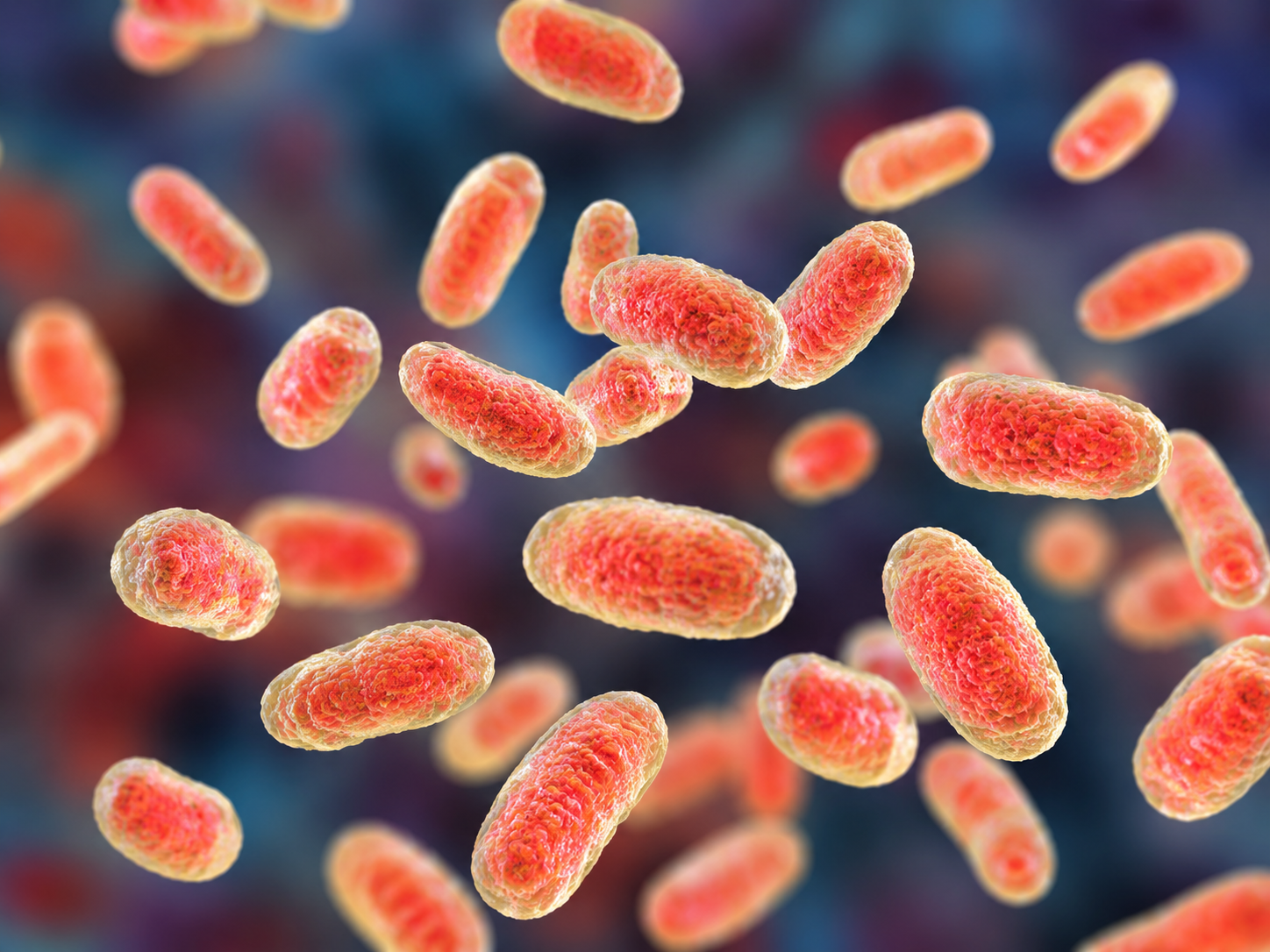
Q fever is a zoonotic disease, meaning it can be transmitted from animals to humans. The bacterium responsible, Coxiella burnetii, is highly resilient and can survive in the environment for long periods. It is commonly found in the birth products, milk, urine, and feces of infected animals. When these materials dry, the bacteria can become airborne and inhaled by humans, leading to infection. While Q fever is rare in the general population, certain groups, such as farmers, veterinarians, and slaughterhouse workers, are at higher risk due to their frequent contact with livestock.
Why Does Q Fever Matter?
Though many people with Q fever experience mild or no symptoms, the infection can sometimes lead to severe complications. In some cases, it may progress to chronic Q fever, a serious condition that can affect the heart, liver, or lungs. Chronic Q fever is particularly dangerous because it can develop months or even years after the initial infection, often without obvious symptoms. Early diagnosis and treatment are crucial to preventing long term health issues, which is why awareness of Q fever is important, especially for those in high risk occupations or rural areas.
Who Is at Risk for Q Fever?
Q fever does not discriminate by age or gender, but certain factors increase the likelihood of exposure. People who work closely with animals, such as farmers, ranchers, veterinarians, and laboratory workers, are at the highest risk. Additionally, those who live in rural areas or near farms may be more exposed to contaminated dust or animal products. Travelers to regions where Q fever is more common, such as parts of Europe, the Middle East, and Australia, should also be cautious. While human to human transmission is extremely rare, pregnant women, individuals with weakened immune systems, and those with pre existing heart valve conditions are more vulnerable to severe complications if infected.
Recognizing the Symptoms of Q Fever
Symptoms of Q fever can vary widely, and some people may not experience any at all. When symptoms do appear, they typically develop within two to three weeks after exposure. Common signs include high fever, severe headaches, muscle aches, chills, and fatigue. Some individuals may also experience a dry cough, nausea, vomiting, or diarrhea. In more severe cases, Q fever can lead to pneumonia or hepatitis, causing chest pain, difficulty breathing, or abdominal discomfort. Chronic Q fever, which occurs in a small percentage of cases, may present with symptoms such as prolonged fever, night sweats, weight loss, and inflammation of the heart valves (endocarditis).
How Is Q Fever Diagnosed and Treated?
Diagnosing Q fever can be challenging because its symptoms often resemble those of other illnesses, such as the flu or pneumonia. If your doctor suspects Q fever, they may order blood tests to detect antibodies against Coxiella burnetii. In some cases, additional tests, such as chest X rays or echocardiograms, may be needed to check for complications like pneumonia or heart valve issues. Treatment for Q fever typically involves antibiotics, with doxycycline being the most commonly prescribed medication. Most people with acute Q fever recover fully within a few weeks of starting treatment. However, chronic Q fever requires a longer course of antibiotics, sometimes lasting up to 18 months, to prevent serious complications.
Preventing Q Fever: What You Can Do
Prevention is key when it comes to Q fever, especially for those in high risk groups. If you work with livestock or in environments where animals are present, take precautions such as wearing protective clothing, gloves, and masks to reduce exposure to contaminated dust or fluids. Proper hygiene, including frequent handwashing and disinfecting work areas, can also lower the risk of infection. Farmers and ranchers should handle animal birth products carefully, as these are common sources of the bacteria. If you live in a rural area, avoid areas where livestock give birth or where animal waste is present. Vaccination is available in some countries for people at high risk, so consult your healthcare provider if you believe you may need it.
When to Seek Medical Care
If you develop symptoms such as a high fever, severe headache, or difficulty breathing, especially after exposure to animals or rural environments, it’s important to seek medical attention promptly. Early diagnosis and treatment can prevent complications and speed up recovery. Be sure to inform your doctor about any recent contact with livestock or travel to areas where Q fever is prevalent. If you are pregnant, have a weakened immune system, or have a history of heart valve problems, mention these factors to your healthcare provider, as they may increase your risk for severe illness.
What Experts Recommend
Health experts emphasize the importance of awareness and prevention, particularly for individuals in high risk occupations. The Centers for Disease Control and Prevention (CDC) recommends that people who work with animals take proactive steps to minimize exposure, such as using personal protective equipment and practicing good hygiene. For those diagnosed with Q fever, following the prescribed treatment plan is crucial to avoid long term complications. Researchers continue to study Q fever to improve diagnosis, treatment, and prevention strategies, but for now, education and precaution remain the best tools for staying safe.
Key Takeaways
- Q fever is a bacterial infection caused by Coxiella burnetii, primarily spread through contact with infected animals like cattle, sheep, and goats.
- Symptoms can range from mild (fever, headache, fatigue) to severe (pneumonia, hepatitis, or chronic heart complications).
- People in high risk occupations, such as farmers, veterinarians, and slaughterhouse workers, are more likely to be exposed to Q fever.
- Diagnosis involves blood tests, and treatment typically includes antibiotics like doxycycline for acute cases, with longer courses for chronic Q fever.
- Prevention focuses on protective measures, hygiene, and avoiding contact with contaminated animal products, especially in rural or farm settings.
- Seek medical care if you develop symptoms after exposure to animals or rural environments, particularly if you are pregnant or have a weakened immune system.
Frequently Asked Questions
Can Q fever be spread from person to person?
No, Q fever is almost never spread from person to person. The primary mode of transmission is through inhaling contaminated dust or coming into contact with infected animals or their products.
Is there a vaccine for Q fever?
Yes, a vaccine for Q fever is available in some countries, such as Australia, but it is not widely available in the United States. It is typically recommended for people at high risk of exposure, such as laboratory workers or those in close contact with livestock.
How long does it take to recover from Q fever?
Most people with acute Q fever recover within a few weeks with antibiotic treatment. However, chronic Q fever may require long term treatment, sometimes lasting up to 18 months, to prevent complications.
Can pets transmit Q fever to humans?
While pets like dogs and cats can become infected with Q fever, they are not a common source of transmission to humans. The primary risk comes from livestock such as cattle, sheep, and goats.
What should I do if I think I’ve been exposed to Q fever?
If you believe you’ve been exposed to Q fever, monitor yourself for symptoms such as fever, headache, or fatigue. If symptoms develop, contact your healthcare provider and inform them of your potential exposure. Early diagnosis and treatment can help prevent complications.
Medical Review: MedSense Editorial Board
DISCUSSION (0)
POST A COMMENT