What Are Omega 3 Fatty Acids?
Omega 3 fatty acids are a type of polyunsaturated fat that the body needs for many vital functions. There are three main types of omega 3s: eicosapentaenoic acid (EPA), docosahexaenoic acid (DHA), and alpha linolenic acid (ALA). EPA and DHA are primarily found in fatty fish and seafood, while ALA is found in plant based sources like flaxseeds, chia seeds, and walnuts. The body can convert a small amount of ALA into EPA and DHA, but this process is not very efficient, which is why it’s important to include direct sources of EPA and DHA in your diet when possible.
Why Do Omega 3s Matter for Your Health?
Omega 3 fatty acids are involved in numerous bodily processes, from building cell membranes to supporting brain development. One of their most well studied benefits is their role in heart health. Research shows that omega 3s can help lower triglycerides, reduce blood pressure, and decrease the risk of heart disease. They also have anti inflammatory properties, which can be beneficial for conditions like arthritis and other chronic diseases. Beyond the heart, omega 3s are critical for brain function, particularly DHA, which makes up a significant portion of the brain’s structure. This is why omega 3s are often linked to improved cognitive function, memory, and even mood regulation.
Who Benefits from Omega 3s?
Omega 3 fatty acids are important for people of all ages, but certain groups may benefit even more from ensuring adequate intake. Pregnant and breastfeeding women, for example, need sufficient DHA for fetal and infant brain development. Children and adolescents also require omega 3s for healthy growth and cognitive function. Older adults may benefit from omega 3s to support brain health and reduce the risk of cognitive decline. Additionally, people with heart disease, high triglycerides, or inflammatory conditions may see improvements in their symptoms with increased omega 3 intake. Even those without specific health concerns can benefit from including omega 3s in their diet as part of a balanced approach to nutrition.
Best Food Sources of Omega 3s
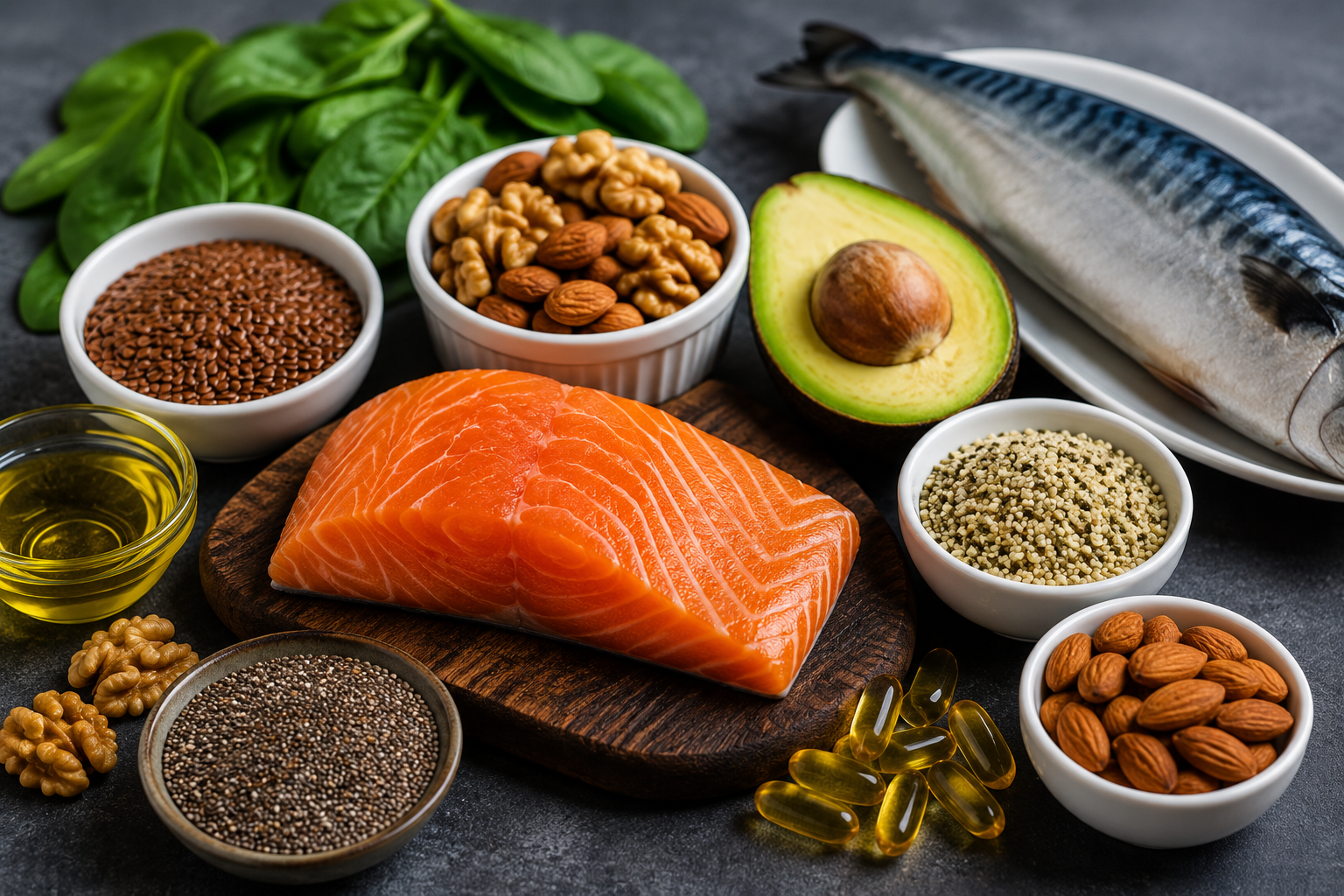
Incorporating omega 3 rich foods into your diet is the best way to ensure you’re getting enough of these essential fats. Fatty fish like salmon, mackerel, sardines, and herring are among the richest sources of EPA and DHA. For those who don’t eat fish, plant based options like flaxseeds, chia seeds, walnuts, and hemp seeds provide ALA. Some foods, such as certain brands of eggs, yogurt, and milk, are also fortified with omega 3s. If you struggle to get enough omega 3s from food alone, supplements like fish oil or algae based DHA supplements can be a helpful addition. However, it’s always best to consult with a healthcare provider before starting any new supplement regimen.
How Much Omega 3 Do You Need?
The recommended intake of omega 3s varies depending on age, sex, and health status. For adults, the American Heart Association suggests eating fatty fish at least twice a week to meet EPA and DHA needs. For those who don’t eat fish, aiming for about 1.6 grams of ALA per day for men and 1.1 grams per day for women is a general guideline. People with specific health conditions, such as high triglycerides, may require higher doses of omega 3s, often in the form of supplements. It’s important to note that while omega 3s are beneficial, taking too much can have side effects, such as increased bleeding risk, so moderation is key.
Omega 3s and Heart Health
The connection between omega 3 fatty acids and heart health is one of the most researched areas in nutrition. Studies have shown that omega 3s can reduce the risk of heart attacks, strokes, and other cardiovascular events. They work by lowering triglyceride levels, reducing inflammation, and improving blood vessel function. Some research also suggests that omega 3s may help lower blood pressure and reduce the risk of abnormal heart rhythms. While more research is needed to fully understand the mechanisms, the evidence supporting omega 3s for heart health is strong enough that many health organizations recommend them as part of a heart healthy diet.
Omega 3s for Brain and Mental Health
Omega 3 fatty acids, particularly DHA, are essential for brain health. The brain is made up of nearly 60% fat, and DHA is a major structural component of brain tissue. Adequate intake of omega 3s has been linked to improved memory, focus, and cognitive function, especially as we age. Some studies suggest that omega 3s may also play a role in reducing the risk of depression and anxiety. While the exact mechanisms are still being studied, it’s clear that these fats are vital for maintaining brain health throughout life. For children, omega 3s are important for brain development, which is why they are often included in prenatal vitamins and infant formulas.
Potential Risks and Considerations
While omega 3 fatty acids are generally safe and beneficial, there are a few considerations to keep in mind. High doses of omega 3 supplements can interact with certain medications, such as blood thinners, and may increase the risk of bleeding. Some people may also experience side effects like fishy aftertaste, nausea, or digestive discomfort when taking fish oil supplements. It’s also important to choose high quality supplements to avoid contaminants like mercury, which can be present in some fish oils. For most people, getting omega 3s from food is the safest and most effective approach. If you have any underlying health conditions or are taking medications, it’s a good idea to talk to your healthcare provider before making significant changes to your omega 3 intake.
Practical Tips for Adding Omega 3s to Your Diet
Incorporating more omega 3s into your diet doesn’t have to be complicated. Start by adding fatty fish to your meals at least twice a week. If you’re vegetarian or vegan, include plant based sources like flaxseeds, chia seeds, or walnuts in your daily routine. You can sprinkle ground flaxseeds on oatmeal, add chia seeds to smoothies, or snack on a handful of walnuts. Cooking with oils rich in ALA, such as flaxseed oil or canola oil, can also help boost your intake. For those who prefer supplements, look for high quality fish oil or algae based options, and follow the dosage recommendations on the label. Small, consistent changes can make a big difference in your overall omega 3 intake and long term health.
Key Takeaways
- Omega 3 fatty acids are essential fats that must be obtained through diet or supplements, as the body cannot produce them on its own.
- There are three main types of omega 3s: EPA, DHA (found in fatty fish), and ALA (found in plant based sources like flaxseeds and walnuts).
- Omega 3s support heart health by lowering triglycerides, reducing inflammation, and improving blood vessel function.
- These fats are also crucial for brain health, playing a role in cognitive function, memory, and mood regulation.
- Pregnant women, children, older adults, and people with heart disease or inflammatory conditions may benefit the most from adequate omega 3 intake.
- Fatty fish like salmon, mackerel, and sardines are the best sources of EPA and DHA, while plant based options like flaxseeds and chia seeds provide ALA.
- While omega 3 supplements can be helpful, it’s best to get these nutrients from food whenever possible and consult a healthcare provider before starting supplements.
Frequently Asked Questions
What are the best sources of omega 3 fatty acids?
The best sources of omega 3s are fatty fish like salmon, mackerel, sardines, and herring, which provide EPA and DHA. Plant based sources like flaxseeds, chia seeds, walnuts, and hemp seeds provide ALA, a type of omega 3 that the body can partially convert to EPA and DHA.
How much omega 3 should I consume daily?
The American Heart Association recommends eating fatty fish at least twice a week for general health. For those who don’t eat fish, aiming for about 1.6 grams of ALA per day for men and 1.1 grams per day for women is a good guideline. People with specific health conditions may need higher amounts, often through supplements.
Can I get enough omega 3s from a vegetarian or vegan diet?
Yes, it’s possible to get omega 3s from a vegetarian or vegan diet by consuming plant based sources like flaxseeds, chia seeds, walnuts, and hemp seeds. However, since the body’s conversion of ALA to EPA and DHA is limited, some people may choose to take algae based DHA supplements to ensure adequate intake.
Are omega 3 supplements safe?
Omega 3 supplements, such as fish oil or algae based DHA, are generally safe for most people when taken as directed. However, high doses can interact with certain medications, like blood thinners, and may increase the risk of bleeding. It’s always best to consult with a healthcare provider before starting any new supplement.
What are the benefits of omega 3s for heart health?
Omega 3s support heart health by lowering triglycerides, reducing inflammation, improving blood vessel function, and potentially lowering blood pressure. Research shows that regular intake of omega 3s can reduce the risk of heart attacks, strokes, and other cardiovascular events.
Do omega 3s help with brain function and mental health?
Yes, omega 3s, particularly DHA, are essential for brain health. They support cognitive function, memory, and may reduce the risk of depression and anxiety. DHA is a major structural component of brain tissue, making omega 3s important for brain development in children and cognitive health in adults.
Medical Review: MedSense Editorial Board
DISCUSSION (0)
POST A COMMENT