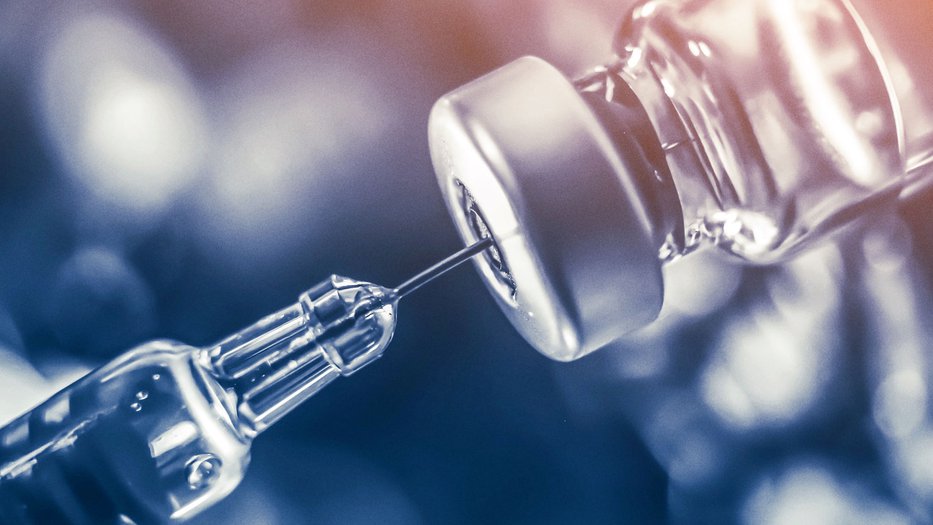
Imagine a world where smallpox killed 3 out of every 10 people it infected, where polio left children paralyzed for life, and where measles outbreaks were a terrifying annual event. This was reality for centuries, until vaccines changed everything. Vaccination isn’t just a modern medical marvel; it’s one of humanity’s greatest triumphs, saving countless lives and reshaping the course of history. From the first crude attempts at inoculation to the rapid development of COVID 19 vaccines, the story of immunization is a testament to science, perseverance, and the power of prevention. Let’s explore how vaccines ended some of history’s deadliest pandemics and why they remain our best defense against infectious diseases today.
What Is Vaccination?
Vaccination is a simple but powerful way to train your immune system to recognize and fight specific germs, like viruses or bacteria, without making you sick. A vaccine contains a harmless piece of the germ, either a weakened or dead version, a small part of it, or instructions for your body to make that piece. When you get vaccinated, your immune system learns to recognize the germ and creates defenses called antibodies. If you’re ever exposed to the real germ later, your body is ready to attack it quickly, preventing illness or making it much milder.
Why Vaccination Matters in Pandemics
Throughout history, pandemics have swept across continents, leaving devastation in their wake. Smallpox, polio, measles, and influenza are just a few of the diseases that once killed or disabled millions. Vaccines didn’t just reduce the toll of these diseases, they stopped pandemics in their tracks. For example:
- Smallpox: The only human disease ever eradicated, thanks to a global vaccination campaign. Before the vaccine, smallpox killed an estimated 300 million people in the 20th century alone.
- Polio: Once a global scourge, polio paralyzed hundreds of thousands of children each year. Today, thanks to vaccines, it’s on the brink of eradication, with cases reduced by 99.9% since 1988.
- Measles: Before the vaccine, measles infected 3 to 4 million Americans each year, killing hundreds. Vaccination has slashed cases by over 99% in the U.S.
Vaccines don’t just protect individuals, they create herd immunity. When enough people in a community are vaccinated, the germ can’t spread easily, protecting those who can’t be vaccinated, like newborns or people with weakened immune systems.
The Science Behind Vaccines
Vaccines work by mimicking an infection. Here’s how:
- Introduction: The vaccine delivers a harmless version of the germ (or part of it) into your body.
- Immune Response: Your immune system detects the germ and produces antibodies to fight it.
- Memory: Your immune system “remembers” the germ. If you’re exposed to the real thing later, it can respond quickly and effectively.
Most vaccines require more than one dose to build strong, long lasting immunity. Some, like the flu vaccine, need annual updates because the virus changes over time. Others, like the measles vaccine, provide lifelong protection after just two doses.
Vaccination in Historical Pandemics
Vaccines have played a starring role in ending some of history’s worst pandemics. Here’s how:
- Smallpox (18th, 20th Century): The first vaccine was developed in 1796 by Edward Jenner, who noticed that milkmaids who’d had cowpox (a mild virus) didn’t get smallpox. His vaccine used cowpox to protect against smallpox. By 1980, smallpox was declared eradicated, the first and only human disease to be wiped out.
- Polio (20th Century): Polio paralyzed or killed thousands of children each year until Jonas Salk’s inactivated polio vaccine (IPV) was introduced in 1955. Later, Albert Sabin’s oral polio vaccine (OPV) made mass vaccination easier. Today, polio remains endemic in only two countries.
- Influenza (1918, Present): The 1918 flu pandemic killed an estimated 50 million people worldwide. Today, annual flu vaccines help prevent millions of infections and thousands of deaths each year. The rapid development of COVID 19 vaccines in 2020 showed how far vaccine technology has come, with mRNA vaccines offering a new, flexible tool for fighting pandemics.
Common Concerns About Vaccines
Despite their proven track record, vaccines are sometimes met with hesitation. Here are some common concerns and the facts:
- “Vaccines cause autism.” This myth stems from a fraudulent 1998 study that has been thoroughly debunked. Extensive research involving millions of children has found no link between vaccines and autism.
- “Vaccines contain harmful ingredients.” Vaccines contain tiny amounts of ingredients like aluminum or formaldehyde, which are also found naturally in the environment and in our bodies. These ingredients are used in safe amounts to help vaccines work better or last longer.
- “Natural immunity is better.” While recovering from a disease can provide immunity, it often comes at a high cost, severe illness, complications, or even death. Vaccines provide immunity without the risks.
- “Vaccines aren’t necessary because diseases are rare.” Diseases like measles and polio are rare because of vaccines. When vaccination rates drop, outbreaks can return quickly, as seen with measles resurgences in recent years.
When to Get Vaccinated
Vaccination isn’t just for kids. Here’s a quick guide to when you and your family should get vaccinated:
- Children: Follow the recommended immunization schedule, which starts at birth and continues through adolescence. Vaccines protect against diseases like measles, mumps, rubella, polio, and whooping cough.
- Adults: Stay up to date on vaccines like the flu shot (annually), Tdap (tetanus, diphtheria, and pertussis), shingles, and pneumococcal vaccines, especially if you’re over 65 or have chronic health conditions.
- Travelers: Some destinations require vaccines for diseases like yellow fever or typhoid. Check with your doctor or a travel clinic before your trip.
- Pregnant Women: Vaccines like Tdap and the flu shot protect both mom and baby from serious complications.
What to Do If You’re Hesitant
If you’re unsure about vaccines, you’re not alone. Here’s how to make an informed decision:
- Talk to a trusted healthcare provider. They can answer your questions and address your concerns with facts tailored to your health.
- Seek reliable sources. Look for information from organizations like the World Health Organization (WHO), the Centers for Disease Control and Prevention (CDC), or your country’s health department.
- Consider the bigger picture. Vaccines protect not just you, but your community, especially those who can’t be vaccinated, like people undergoing chemotherapy or babies too young for certain shots.
When to Seek Medical Advice
Vaccines are safe for most people, but there are a few cases where you should talk to your doctor first:
- If you’ve had a severe allergic reaction to a vaccine in the past.
- If you have a weakened immune system due to illness or medication.
- If you’re pregnant or breastfeeding (some vaccines are safe, but others may not be recommended).
- If you have a moderate or severe illness on the day of your vaccination (it’s usually fine to get vaccinated with a mild cold).
Most side effects from vaccines are mild, like a sore arm or low grade fever, and go away on their own. Serious side effects are extremely rare.
The Future of Vaccination
Vaccine technology is evolving rapidly. Here’s what’s on the horizon:
- mRNA Vaccines: Used in COVID 19 vaccines, mRNA technology teaches your cells to make a protein that triggers an immune response. This approach could lead to vaccines for diseases like HIV, malaria, or even cancer.
- Universal Vaccines: Scientists are working on vaccines that could protect against multiple strains of a virus, like a universal flu vaccine that wouldn’t need annual updates.
- Needle Free Vaccines: Patches, nasal sprays, and even edible vaccines could make vaccination easier and more accessible, especially in low resource settings.
Vaccines have already saved millions of lives, but their potential is far from exhausted. As we face new global health threats, vaccines will continue to be our first line of defense.
Key Takeaways
- Vaccination trains your immune system to recognize and fight specific germs without making you sick, preventing illness or reducing its severity.
- Vaccines have ended or nearly eradicated some of history’s deadliest pandemics, including smallpox and polio, saving countless lives.
- Herd immunity occurs when enough people in a community are vaccinated, protecting those who can’t be, like newborns or people with weakened immune systems.
- Vaccines are rigorously tested for safety and effectiveness before approval, and serious side effects are extremely rare.
- Staying up to date on vaccines is important for people of all ages, from infants to older adults, and for travelers or pregnant women.
- If you’re hesitant about vaccines, talk to a trusted healthcare provider and seek information from reliable sources like the WHO or CDC.
- The future of vaccination includes mRNA technology, universal vaccines, and needle free delivery methods, offering new ways to fight diseases.
Frequently Asked Questions
Are vaccines safe?
Yes, vaccines are thoroughly tested for safety and effectiveness before they’re approved for use. They undergo rigorous clinical trials involving thousands of people, and their safety continues to be monitored even after approval. Serious side effects are extremely rare, and the benefits of vaccination far outweigh the risks.
How do vaccines work?
Vaccines work by introducing a harmless piece of a germ (like a virus or bacteria) into your body. This triggers your immune system to produce antibodies, which are proteins that recognize and fight the germ. If you’re exposed to the real germ later, your immune system is ready to attack it quickly, preventing illness or making it much milder.
Why do some vaccines require multiple doses?
Some vaccines require more than one dose to build strong, long lasting immunity. The first dose primes your immune system, while later doses boost and strengthen the response. For example, the measles vaccine requires two doses to provide lifelong protection, while the flu vaccine is needed annually because the virus changes over time.
Can vaccines cause the disease they’re meant to prevent?
No, vaccines cannot cause the disease they’re designed to prevent. Most vaccines contain either a dead or weakened version of the germ, or just a small piece of it, which cannot cause illness. Some people may experience mild side effects, like a sore arm or low grade fever, but these are signs that the immune system is responding to the vaccine, not symptoms of the disease itself.
What is herd immunity, and why is it important?
Herd immunity occurs when a large portion of a community is vaccinated against a disease, making it difficult for the germ to spread. This protects people who can’t be vaccinated, such as newborns, people with certain allergies, or those with weakened immune systems. Herd immunity is especially important for preventing outbreaks of highly contagious diseases like measles.
Are there any risks to not vaccinating?
Yes, choosing not to vaccinate puts you and others at risk. Without vaccination, you’re more likely to get sick from preventable diseases, some of which can cause severe complications or death. Low vaccination rates can also lead to outbreaks, as seen with recent measles resurgences in communities with low immunization coverage.
How are vaccines developed so quickly during pandemics?
During pandemics, vaccine development is accelerated through global collaboration, advanced technology, and overlapping clinical trial phases. For example, the rapid development of COVID 19 vaccines was possible because scientists had already been studying coronaviruses and mRNA technology for years. Regulatory agencies also prioritize review and approval processes during public health emergencies.
Medical Review: MedSense Editorial Board
DISCUSSION (0)
POST A COMMENT