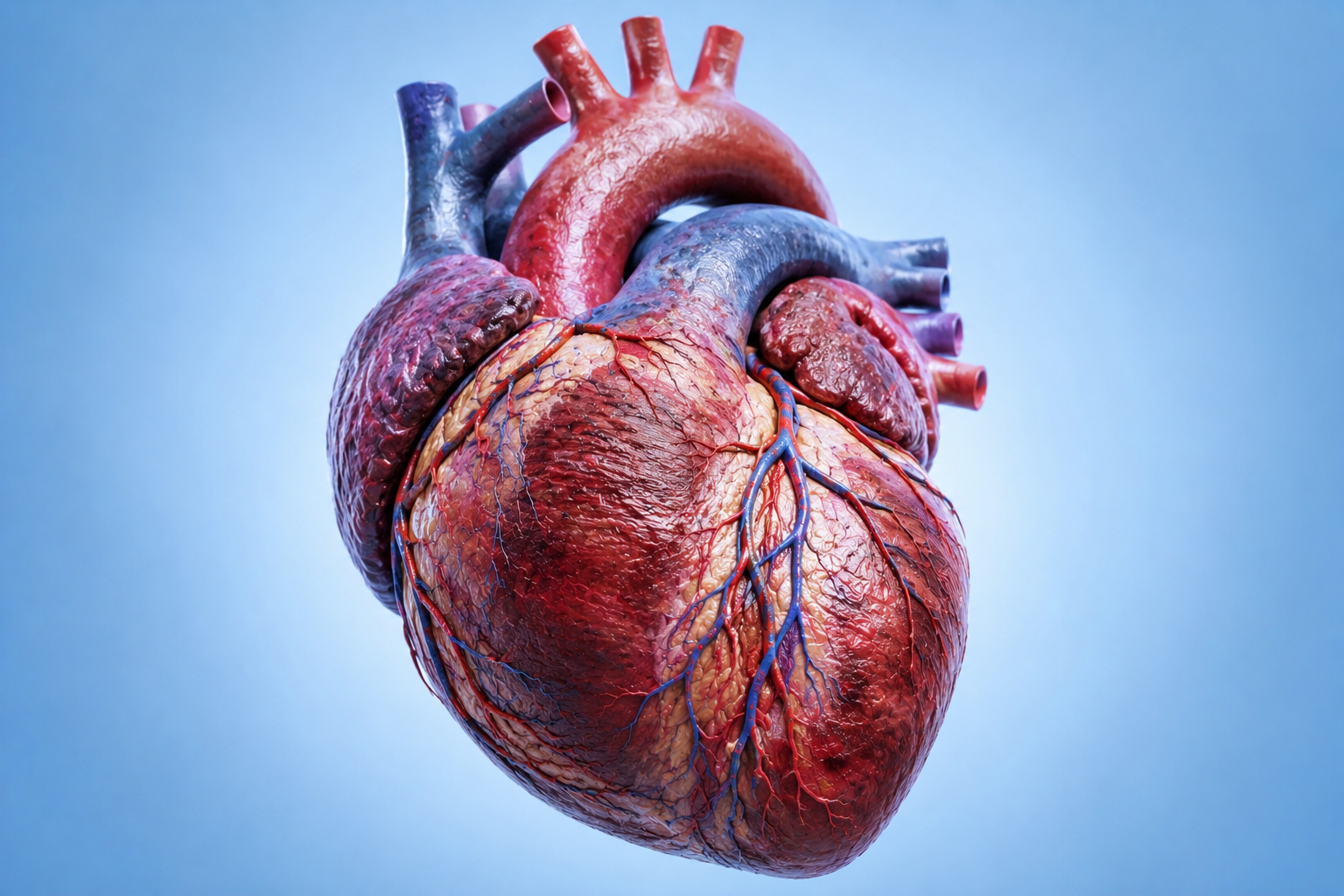
What Is Heart Failure?
Heart failure, also known as congestive heart failure, is a chronic condition in which the heart muscle becomes weakened or stiff over time. This reduces its ability to pump blood effectively throughout the body. The heart may struggle to fill with enough blood during the resting phase or may not have enough force to push blood out to the rest of the body during contraction. As a result, organs and tissues may not receive adequate oxygen and nutrients, leading to symptoms such as fatigue, shortness of breath, and fluid buildup in the lungs or legs.
Heart failure is often the result of other underlying health conditions that damage or overwork the heart. These may include coronary artery disease, high blood pressure, previous heart attacks, diabetes, or heart valve disorders. While heart failure is a progressive condition, early diagnosis and treatment can slow its progression and improve quality of life.
Why Does Heart Failure Matter?
Heart failure is a major public health concern because of its prevalence and impact on individuals and healthcare systems. According to the American Heart Association, over 6 million adults in the United States are living with heart failure, and the condition contributes to hundreds of thousands of hospitalizations each year. It is also a leading cause of disability and reduced quality of life, particularly in older adults.
Beyond its physical effects, heart failure can take an emotional and financial toll. Many people with the condition experience anxiety, depression, or social isolation due to limitations in their daily activities. Managing heart failure often requires ongoing medical care, medications, and lifestyle changes, which can be challenging for patients and their families. However, with the right support and education, individuals with heart failure can take control of their health and maintain independence for longer.
Who Is at Risk for Heart Failure?
Heart failure can affect people of all ages, but it is more common in older adults. The risk increases with age, particularly after the age of 65. Certain medical conditions significantly raise the likelihood of developing heart failure. These include long standing high blood pressure, coronary artery disease, a history of heart attacks, diabetes, obesity, and sleep apnea. Lifestyle factors such as smoking, excessive alcohol consumption, a diet high in salt and saturated fats, and physical inactivity also contribute to the risk.
Genetics can play a role as well. People with a family history of heart disease or heart failure may be more susceptible. Additionally, certain ethnic groups, such as African Americans, have a higher risk of developing heart failure at a younger age and experiencing more severe symptoms. Understanding these risk factors is important because many of them can be managed or modified through lifestyle changes and medical treatment.
Recognizing the Symptoms of Heart Failure
Symptoms of heart failure can develop gradually and may be mistaken for normal signs of aging or other conditions. Common symptoms include shortness of breath, especially during physical activity or when lying down, persistent coughing or wheezing, swelling in the legs, ankles, or abdomen due to fluid retention, and fatigue or weakness. Some people may also experience rapid or irregular heartbeats, reduced ability to exercise, or sudden weight gain from fluid buildup.
It is important to pay attention to these symptoms and seek medical advice if they persist or worsen. Early intervention can prevent complications and improve outcomes. For example, shortness of breath that occurs at night and forces you to sit up to breathe, known as paroxysmal nocturnal dyspnea, is a red flag that should prompt a visit to a healthcare provider. Similarly, swelling in the legs that does not improve with elevation or rest may indicate worsening heart failure.
Diagnosis and Medical Evaluation
Diagnosing heart failure typically involves a combination of medical history, physical examination, and diagnostic tests. During a physical exam, a healthcare provider may listen for abnormal heart sounds, check for fluid buildup in the lungs or legs, and assess overall heart function. Blood tests, such as the B type natriuretic peptide (BNP) test, can help confirm the diagnosis by measuring levels of a hormone released by the heart when it is under stress.
Imaging tests are also essential for evaluating heart failure. An echocardiogram, which uses sound waves to create images of the heart, is one of the most common tests. It provides information about the heart's size, structure, and pumping ability. Other tests, such as electrocardiograms (ECGs), chest X rays, stress tests, or cardiac MRI, may be used to gather additional details about heart function and identify underlying causes of heart failure.
Treatment and Management Options
While there is no cure for heart failure, treatment focuses on managing symptoms, slowing disease progression, and improving quality of life. Treatment plans are tailored to each individual and may include medications, lifestyle changes, and in some cases, medical procedures or surgery. Common medications for heart failure include ACE inhibitors, beta blockers, diuretics, and aldosterone antagonists. These drugs help reduce strain on the heart, control blood pressure, remove excess fluid, and improve heart function.
In addition to medications, lifestyle modifications play a crucial role in managing heart failure. These may include following a heart healthy diet low in salt and saturated fats, engaging in regular physical activity as recommended by a healthcare provider, monitoring weight daily to detect fluid retention early, and avoiding smoking and excessive alcohol consumption. For some patients, advanced treatments such as implantable devices (e.g., pacemakers or defibrillators) or heart transplant may be considered if other therapies are not effective.
Prevention and Wellness Tips
Preventing heart failure begins with managing risk factors and adopting a heart healthy lifestyle. Controlling high blood pressure, cholesterol levels, and diabetes through diet, exercise, and medications can significantly reduce the risk of heart damage. Regular physical activity, such as walking, swimming, or cycling, strengthens the heart and improves circulation. Aim for at least 150 minutes of moderate intensity exercise per week, as recommended by health guidelines.
Diet also plays a key role in heart health. A balanced diet rich in fruits, vegetables, whole grains, lean proteins, and healthy fats can help maintain a healthy weight and reduce strain on the heart. Limiting salt intake is particularly important for people with heart failure, as excess salt can cause fluid retention and worsen symptoms. Additionally, managing stress through techniques such as mindfulness, meditation, or counseling can support overall heart health and well being.
When to Seek Medical Care
It is important to seek medical care if you experience symptoms of heart failure, such as sudden shortness of breath, chest pain, fainting, or severe swelling in the legs or abdomen. These symptoms may indicate worsening heart failure or a medical emergency that requires immediate attention. Regular follow up appointments with a healthcare provider are also essential for monitoring the condition, adjusting medications, and addressing any concerns.
If you have been diagnosed with heart failure, work closely with your healthcare team to develop a personalized care plan. Keep track of your symptoms, take medications as prescribed, and communicate openly about any changes in your health. Early intervention can prevent complications and help you maintain a better quality of life.
What Experts Recommend
Healthcare professionals emphasize the importance of education and self management for people living with heart failure. Understanding the condition, recognizing symptoms, and adhering to treatment plans are key to managing heart failure effectively. Experts also recommend participating in cardiac rehabilitation programs, which provide supervised exercise, education, and support to help patients improve their heart health and confidence.
Regular communication with your healthcare team is vital. This includes discussing any side effects of medications, challenges with lifestyle changes, or new symptoms that arise. Many hospitals and clinics offer heart failure management programs that provide resources, support groups, and tools to help patients stay on track. By taking an active role in your care, you can better manage heart failure and reduce the risk of hospitalizations or complications.
Key Takeaways
- Heart failure is a chronic condition where the heart cannot pump blood effectively, leading to symptoms like fatigue, shortness of breath, and swelling.
- It is often caused by underlying conditions such as high blood pressure, coronary artery disease, or diabetes, and risk increases with age and lifestyle factors.
- Early diagnosis and treatment, including medications, lifestyle changes, and regular medical care, can slow progression and improve quality of life.
- Managing heart failure involves a combination of medications, a heart healthy diet, regular exercise, and monitoring symptoms closely.
- Seek medical care immediately if you experience severe symptoms like chest pain, fainting, or sudden shortness of breath, as these may indicate a medical emergency.
Frequently Asked Questions
Is heart failure the same as a heart attack?
No, heart failure and a heart attack are different conditions. A heart attack occurs when blood flow to a part of the heart is blocked, causing damage to the heart muscle. Heart failure, on the other hand, is a chronic condition where the heart cannot pump blood effectively over time. However, a heart attack can lead to heart failure if the damage weakens the heart muscle.
Can heart failure be reversed?
While heart failure is generally a progressive condition, some cases can be improved or even reversed with proper treatment and lifestyle changes. For example, if heart failure is caused by a treatable condition like a heart valve disorder or thyroid disease, addressing the underlying issue may restore heart function. In other cases, medications and lifestyle modifications can strengthen the heart and reduce symptoms.
What foods should I avoid if I have heart failure?
If you have heart failure, it is important to limit foods high in salt, as excess salt can cause fluid retention and worsen symptoms. Avoid processed foods, canned soups, deli meats, and salty snacks. Additionally, limit foods high in saturated fats, such as fried foods and fatty cuts of meat, as these can contribute to heart disease. Focus on a balanced diet rich in fruits, vegetables, whole grains, and lean proteins.
How often should I weigh myself if I have heart failure?
People with heart failure are often advised to weigh themselves daily, preferably at the same time each day, such as in the morning after using the bathroom. Sudden weight gain, such as 2 3 pounds in a day or 5 pounds in a week, may indicate fluid retention and should be reported to your healthcare provider. Keeping track of your weight can help detect changes early and prevent complications.
Can exercise help with heart failure?
Yes, regular exercise can help improve heart function, reduce symptoms, and enhance quality of life for people with heart failure. However, it is important to consult your healthcare provider before starting an exercise program. They can recommend safe activities, such as walking, swimming, or cycling, and provide guidance on intensity and duration. Cardiac rehabilitation programs are also a great option for supervised exercise and support.
Medical Review: MedSense Editorial Board
DISCUSSION (0)
POST A COMMENT