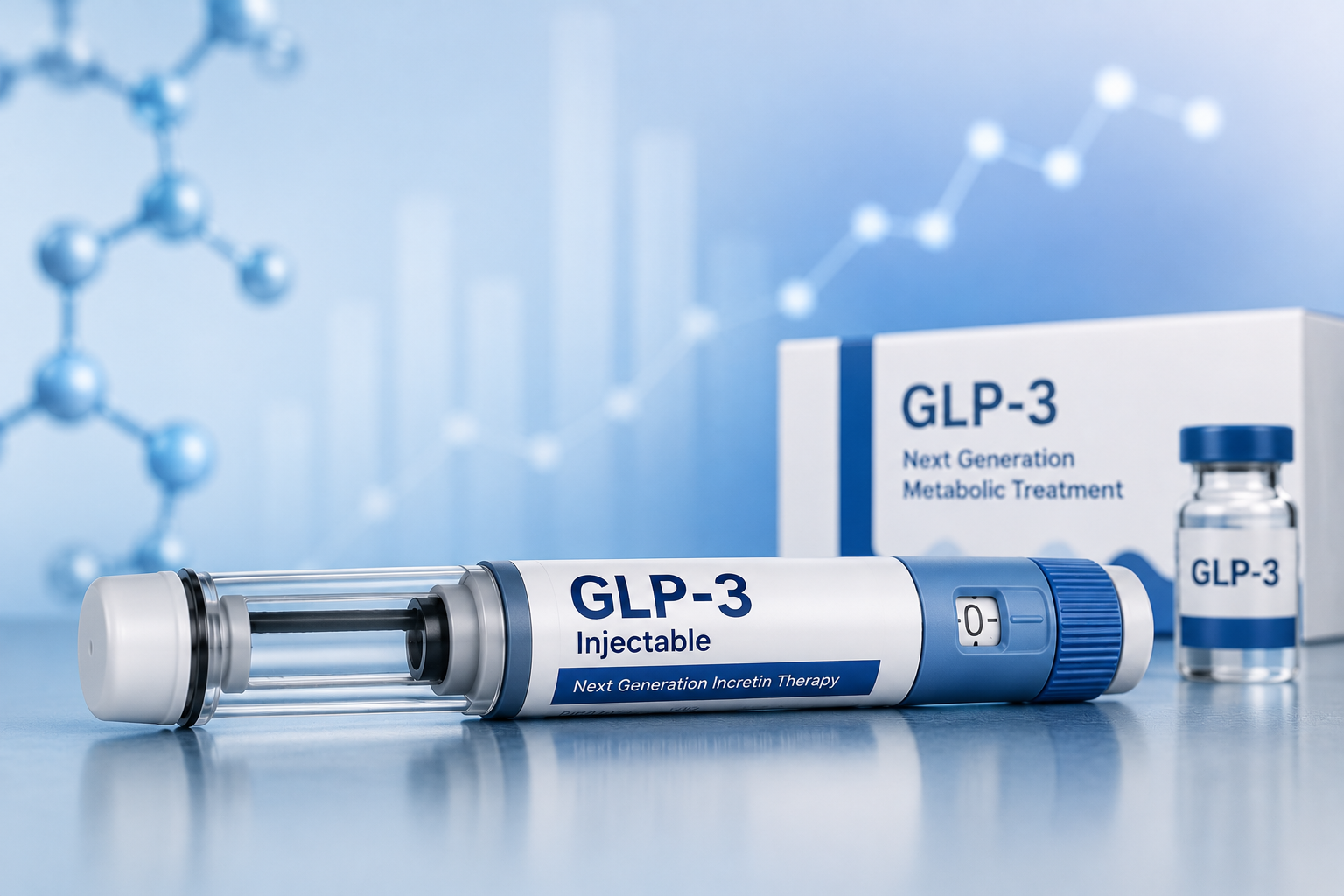
What Is GLP 3?
GLP 3, or glucagon like peptide 3, is a naturally occurring hormone in the body that belongs to the same family as GLP 1. Both are part of a group called incretin hormones, which are released by the gut after eating and play a key role in regulating blood sugar and appetite. While GLP 1 has been extensively studied and is the foundation of widely used medications like Ozempic and Wegovy, GLP 3 is less understood. Early research suggests it may have unique effects on metabolism, including potential benefits for insulin secretion, liver function, and energy balance. However, unlike GLP 1, GLP 3 is not yet available as a medication, and its full range of actions is still being uncovered.
How Does GLP 3 Differ From GLP 1?
At first glance, GLP 3 and GLP 1 sound similar, and they do share some functions. Both hormones help lower blood sugar by stimulating insulin release from the pancreas and slowing digestion to prevent spikes after meals. However, emerging evidence suggests GLP 3 may have additional or distinct effects. For example, some preclinical studies indicate GLP 3 could have a stronger impact on liver metabolism, potentially improving fatty liver disease, a common complication of obesity and diabetes. Other research suggests GLP 3 might influence energy expenditure differently, which could make it a valuable target for weight management. Importantly, GLP 3 does not appear to bind to the same receptors as GLP 1, meaning it may work through separate biological pathways. This distinction could allow GLP 3 based therapies to complement or even enhance the effects of existing GLP 1 medications.
Why Is GLP 3 Research Important?
Despite the success of GLP 1 medications, not all patients respond equally to them. Some individuals experience side effects like nausea or gastrointestinal discomfort, while others see limited benefits in blood sugar control or weight loss. GLP 3 research offers hope for addressing these challenges by providing an alternative or adjunctive approach. For example, if GLP 3 proves to have a more favorable side effect profile or works through different mechanisms, it could expand treatment options for people with type 2 diabetes or obesity. Additionally, GLP 3’s potential effects on liver health could make it a valuable tool for managing metabolic associated fatty liver disease (MAFLD), a condition that currently lacks approved pharmacological treatments. As research progresses, GLP 3 could also help scientists better understand the complex interplay between gut hormones and metabolic health, paving the way for more personalized therapies.
Who Could Benefit From GLP 3 Based Treatments?
While GLP 3 research is still in its early stages, the populations most likely to benefit from future GLP 3 based therapies include individuals with type 2 diabetes, obesity, or metabolic syndrome. These conditions are closely linked to insulin resistance, poor blood sugar control, and excess fat storage in the liver. If GLP 3 can improve insulin sensitivity or reduce liver fat, it may help prevent or manage complications like cardiovascular disease, which remains a leading cause of death in people with metabolic disorders. Additionally, GLP 3 could be relevant for individuals who have not achieved their health goals with current GLP 1 medications or who experience intolerable side effects. However, it’s important to note that GLP 3 is not yet available as a treatment, and more research is needed to determine its safety and efficacy in humans.
What Does the Current Research Say?
Most of the research on GLP 3 has been conducted in laboratory settings or animal models, with only a handful of small human studies published to date. In preclinical studies, GLP 3 has shown promise in improving glucose tolerance, reducing body weight, and decreasing liver fat. For example, a 2022 study in mice found that GLP 3 administration led to significant weight loss and improved insulin sensitivity compared to a control group. Another study in human liver cells suggested that GLP 3 might help reduce fat accumulation, a key factor in fatty liver disease. However, these findings are preliminary, and human trials are necessary to confirm whether GLP 3 can deliver similar benefits in people. Researchers are also investigating how GLP 3 interacts with other hormones, such as glucagon and GIP (glucose dependent insulinotropic polypeptide), to better understand its role in metabolism.
What Are the Potential Challenges and Limitations?
As with any emerging area of research, GLP 3 faces several challenges before it can become a viable treatment option. One of the biggest hurdles is the lack of large scale human trials, which are essential for determining safety, dosing, and long term effects. Additionally, GLP 3’s mechanisms are not yet fully understood, and researchers are still exploring how it interacts with other metabolic pathways. There are also practical considerations, such as how to administer GLP 3 effectively. Like GLP 1, GLP 3 is rapidly broken down in the body, so developing a stable, long acting formulation will be critical for its success as a medication. Finally, cost and accessibility could pose barriers, as newer medications often come with high price tags and limited insurance coverage. Despite these challenges, the potential benefits of GLP 3 make it a compelling area of study for scientists and clinicians alike.
What Do Experts Recommend?
Experts in endocrinology and metabolic health emphasize that while GLP 3 research is promising, it is still too early to draw definitive conclusions about its clinical potential. Dr. Sarah Johnson, a leading researcher in diabetes therapeutics, notes that "GLP 3 represents an exciting opportunity to expand our toolkit for metabolic diseases, but we need more data before we can recommend it as a treatment." She and other experts advise patients to focus on proven strategies for managing diabetes and obesity, such as lifestyle modifications, existing medications, and regular medical care. For those interested in emerging therapies, participating in clinical trials may be an option, but it’s important to discuss the risks and benefits with a healthcare provider. As research progresses, experts will continue to monitor developments in GLP 3 and other incretin based therapies to determine their place in clinical practice.
When Might GLP 3 Treatments Become Available?
Predicting the timeline for new treatments is always challenging, but most experts estimate that GLP 3 based therapies are at least 5 to 10 years away from widespread availability. The process of drug development typically involves several phases of clinical trials, regulatory review, and manufacturing scaling, all of which take time. For now, researchers are focused on conducting early stage human trials to assess GLP 3’s safety and preliminary efficacy. If these trials yield positive results, larger studies will follow to evaluate long term outcomes and compare GLP 3 to existing treatments. In the meantime, patients and healthcare providers can stay informed about GLP 3 research by following updates from reputable sources like the American Diabetes Association, the Obesity Society, and peer reviewed medical journals. While the wait may be long, the potential for GLP 3 to improve metabolic health makes it a development worth watching.
Key Takeaways
- GLP 3 is a naturally occurring hormone related to GLP 1 that may offer new possibilities for treating metabolic conditions like diabetes and obesity.
- Unlike GLP 1, GLP 3 appears to work through distinct biological pathways, potentially providing additional benefits for liver health and energy balance.
- Current research on GLP 3 is still in early stages, with most studies conducted in animals or laboratory settings, and human trials are needed to confirm its safety and efficacy.
- GLP 3 based treatments could benefit individuals with type 2 diabetes, obesity, or metabolic syndrome, particularly those who do not respond well to existing GLP 1 medications.
- Experts recommend focusing on proven treatments and lifestyle changes for now, while staying informed about emerging research in metabolic health.
Frequently Asked Questions
Is GLP 3 the same as GLP 1?
No, GLP 3 and GLP 1 are related but distinct hormones. While both are incretin hormones that help regulate blood sugar and appetite, GLP 3 appears to work through different biological pathways and may have unique effects on metabolism, such as potential benefits for liver health.
Are there any GLP 3 medications available now?
No, GLP 3 is not yet available as a medication. Research is still in early stages, and no GLP 3 based treatments have been approved for clinical use. Current medications for diabetes and obesity, such as semaglutide and tirzepatide, target GLP 1 or a combination of GLP 1 and GIP.
What conditions could GLP 3 potentially treat?
Early research suggests GLP 3 may have potential applications for type 2 diabetes, obesity, and metabolic associated fatty liver disease (MAFLD). However, more studies are needed to confirm its safety and efficacy in humans.
How does GLP 3 affect weight loss?
Preclinical studies suggest GLP 3 may influence weight loss by improving insulin sensitivity, reducing appetite, and increasing energy expenditure. However, these effects have not yet been confirmed in human trials, and the exact mechanisms are still being studied.
Should I ask my doctor about GLP 3?
Since GLP 3 is not yet available as a treatment, there are no clinical guidelines for its use. However, if you are interested in emerging therapies for diabetes or obesity, you can discuss participation in clinical trials with your healthcare provider. For now, focus on proven treatments and lifestyle changes to manage your condition.
What are the side effects of GLP 3?
Because GLP 3 is still in early research stages, its side effects are not well understood. In preclinical studies, GLP 3 appeared to be well tolerated, but human trials are needed to identify any potential risks or adverse effects.
Medical Review: MedSense Editorial Board
DISCUSSION (0)
POST A COMMENT